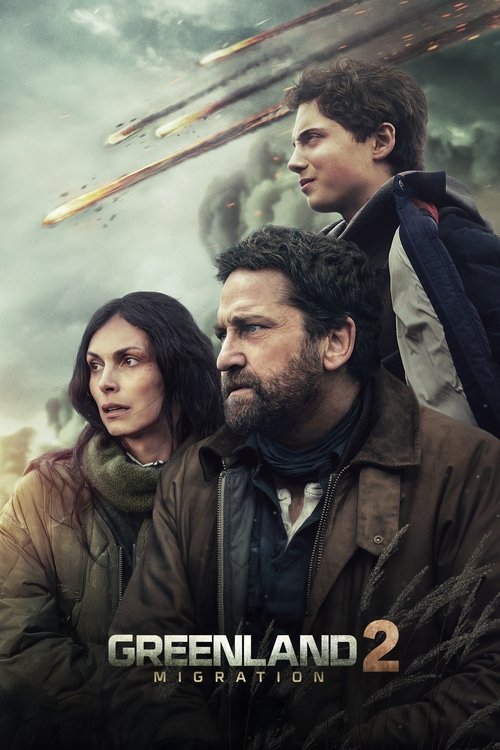
The Architecture of AshThe great lie of the disaster genre is that survival is a reward. In the cinematic lexicon of destruction—from Emmerich to Bay—the closing of the bunker door or the arrival of the rescue helicopter functions as a period at the end of a sentence. The credits roll, and we are spared the tedious, heartbreaking reality of what comes next. *Greenland 2: Migration* dares to erase that period and write a terrifying ellipsis. Directed by Ric Roman Waugh, this film is not merely a sequel; it is a grim, elegiac meditation on the morning after the apocalypse, exploring whether a life saved is necessarily a life worth living.
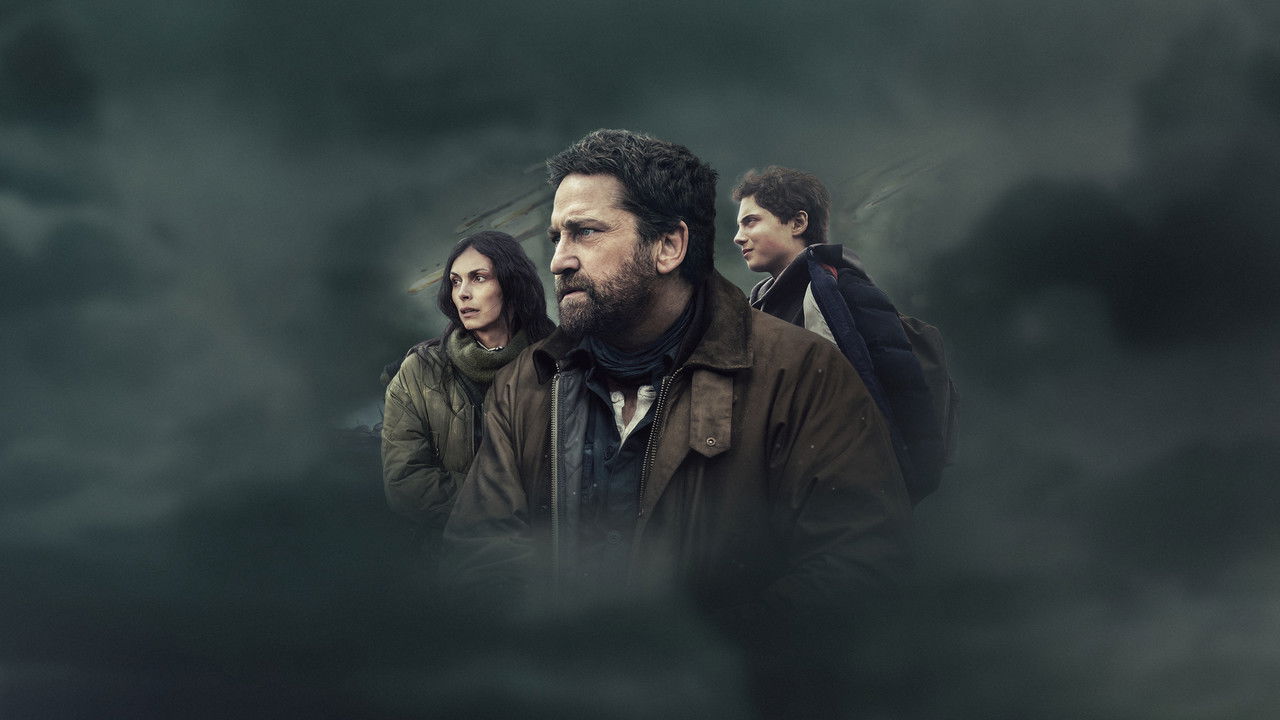
Waugh, who brought a surprising amount of blue-collar grit to the 2020 original, widens his aperture here. If the first film was a heart-pounding sprint against a clock, *Migration* is a marathon through quicksand. The narrative picks up five years after the comet Clarke pulverized human civilization. The Garrity family, having outlived the world in the concrete womb of a Greenland bunker, emerges not into a fresh Eden, but into a bruised, gray purgatory. The visual language is immediately striking; the cinematography by Martin Ahlgren trades the frenetic shaky-cam of the first film for wide, desolate tableaus that emphasize the insignificance of the characters against a ruined horizon.
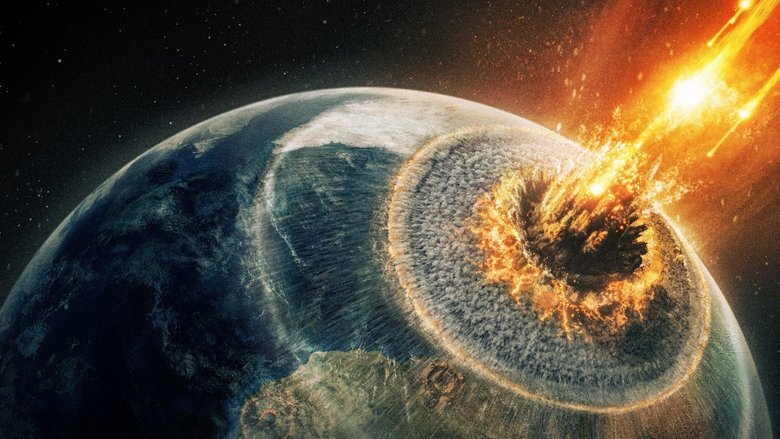
The film’s central journey—a trek from the frozen north across the skeletal remains of Europe—serves as a canvas for Waugh’s brutalist aesthetic. The devastation here is not the clean, CGI-polished ruin of a superhero movie; it is muddy, wet, and suffocatingly tactile. The script, co-written by Chris Sparling and Mitchell LaFortune, wisely shifts the source of tension. The sky is no longer falling; instead, the threat rises from the soil—radiation pockets, starvation, and the feral remnants of humanity.
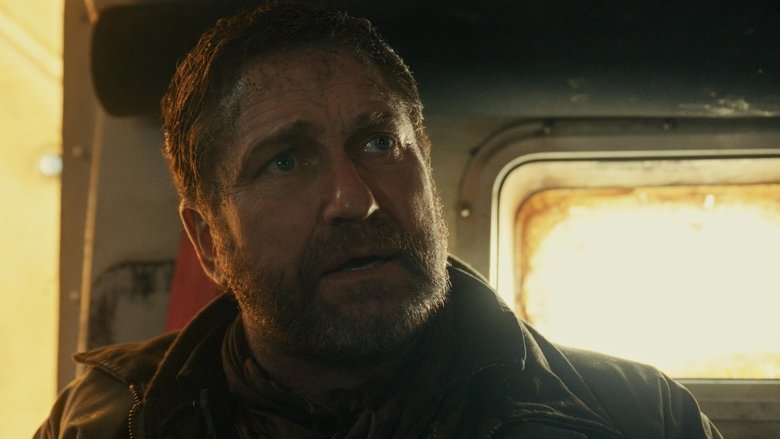
At the center of this Odyssey are John (Gerard Butler) and Allison (Morena Baccarin), performances stripped of all vanity. Butler, often typecast as the indestructible force, leans heavily into a profound exhaustion. He plays John not as a hero, but as a man whose back is breaking under the weight of keeping his family alive. However, the film’s emotional anchor shifts perceptibly to their son, Nathan (now played by Roman Griffin Davis). Having spent his formative years underground, Nathan is a child of the dark, fearful of the very sky his parents view as freedom. This generational friction—the parents’ nostalgia for the "before times" versus the son’s adaptation to the new harshness—provides the narrative’s most compelling internal conflict.
There is a sequence midway through the film, involving a crossing of what was once a populated European border, that stands as a masterclass in tension. Without a single explosion, Waugh creates a sense of dread simply through the geometry of silence and the suspicion of strangers. It is here that the film transcends its genre trappings. It asks uncomfortable questions about the dissolving of social contracts. When nations are erased, do we revert to tribalism, or do we cling to a shared humanity that no longer has an infrastructure to support it?
Ultimately, *Greenland 2: Migration* succeeds because it refuses to be "fun" in the traditional blockbuster sense. It creates a suffocating sense of reality that lingers long after the screen goes dark. It suggests that the act of rebuilding is infinitely more traumatic than the act of surviving. In a modern cinema landscape often obsessed with multiverse stakes and consequence-free violence, Waugh has crafted a singular, grounded tragedy. It posits that while the comet may have broken the world, it is the silence in its wake that threatens to break the human spirit.