✦ AI-generated review
The American Dad as Old Testament God
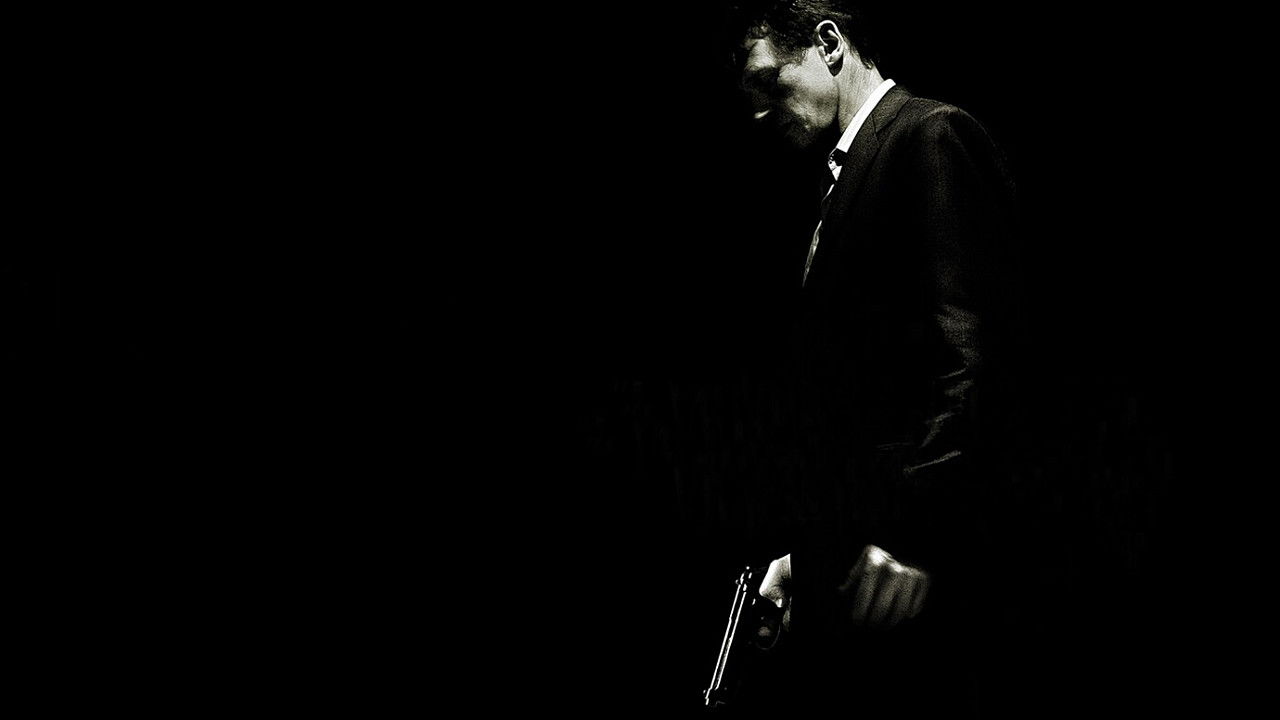
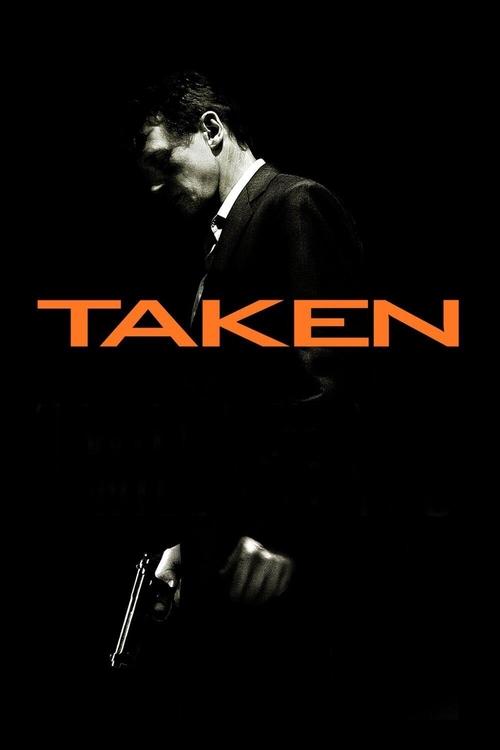
If cinema is a dream machine, then *Taken* (2008) is a specifically American anxiety dream—and its subsequent resolution—projected onto a European canvas. Directed by Pierre Morel but bearing the unmistakable, streamlined fingerprints of producer Luc Besson, the film is often remembered as the pivot point that transformed Liam Neeson from a prestige dramatic actor into the patron saint of "geriaction." Yet, to view it merely as a career shift is to miss why it struck such a thunderous chord. *Taken* is not just an action movie; it is a brutal fairy tale about the restoration of paternal authority in a world that has deemed it obsolete.
The narrative setup is almost aggressively simple, bordering on parody. Bryan Mills (Neeson) is a dinosaur—an ex-CIA operative whose "particular set of skills" has no place in the suburbs of Los Angeles. He is divorced, lonely, and humiliated by his ex-wife’s wealth and his daughter’s independence. He is the discarded warrior. But when his daughter Kim travels to Paris and is abducted by a faceless, predatory "Other" (in this case, Albanian human traffickers), the film flips a switch. The very paranoia that made Bryan a nuisance in peace makes him a god in war.
Morel, a former cinematographer, shoots the film with a kinetic, suffocating efficiency that mirrors Bryan’s mind. Unlike the shaky-cam chaos popularized by the *Bourne* franchise, *Taken* favors a brutal clarity. When Bryan enters a room, the geography is established instantly, and the violence that follows is mathematical. There is no joy in the action, only necessary breakage. The visual language reinforces the film’s central thesis: the world is a chaotic, dirty place, and the only way to clean it is through precise, unhesitating violence. Paris is stripped of its romantic veneer, rendered instead as a gray, hostile labyrinth of construction sites and grimy apartments, a visual metaphor for the father's worst fears realized.
The film's emotional anchor—and its most enduring cultural contribution—is the phone call. It is a masterclass in tension, but more importantly, it is the moment of metamorphosis. As Bryan listens to his daughter being taken, he does not panic. He descends into a terrifying calm. The famous monologue ("I will look for you, I will find you...") is not a threat; it is a prophecy. Neeson delivers it not with the swagger of Schwarzenegger, but with the weary resignation of a man who knows he is about to do terrible things. This performance grounds the film’s increasingly preposterous events in a grim emotional reality. We forgive the absurdity because we believe his desperation.
However, one cannot critique *Taken* without addressing its shadow. The film operates on a xenophobic frequency that is impossible to ignore. The villains are caricatures of foreign menace, devoid of humanity, existing solely to be broken by the righteous Western father. It posits a worldview where "out there" is dangerous and "home" is safe, a binary that feels increasingly reactionary. The film validates the most protective, insular instincts of the American psyche.
Ultimately, *Taken* succeeds because it offers a seductive fantasy of competence. In a modern era defined by complex problems and bureaucratic impotence, Bryan Mills offers a solution that is simple, direct, and final. He does not negotiate; he deletes the problem. It is a problematic masterpiece of efficiency—a lean, mean, 90-minute assertion that love, when armed with a gun and a singular purpose, can conquer the world.