✦ AI-generated review
The Ghost in the Machine
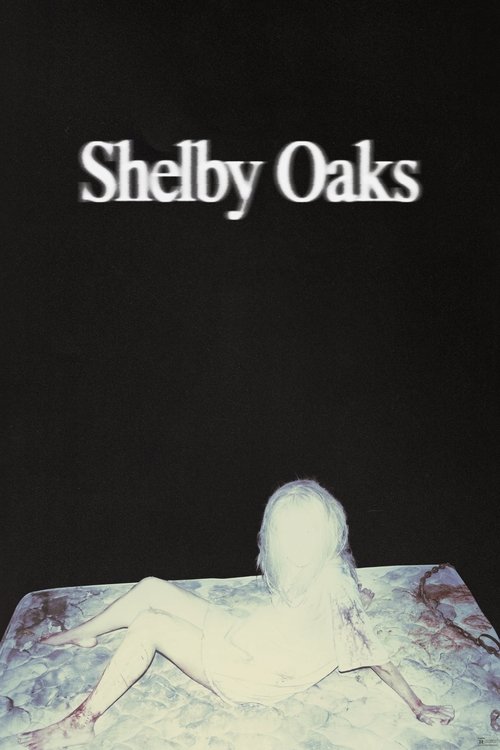
There is a distinct, almost predatory danger in a film critic crossing the aisle to sit in the director’s chair. The transition invites a peculiar scrutiny; the audience waits, perhaps subconsciously, to see if the analyst can survive the very autopsy they usually perform on others. With *Shelby Oaks*, Chris Stuckmann—a figure synonymous with the democratization of film criticism on YouTube—does not merely survive this transition; he weaponizes it. He delivers a debut that is less about the mechanics of a scare and more about the corrosive nature of the medium itself. This is not a "YouTuber movie" in the pejorative sense, but rather a film that understands, with terrifying intimacy, how the camera can both preserve life and consume it.
The film’s structural audacity lies in its bifurcation. We begin in the grainy, lower-definition world of the mid-2000s internet, watching the "Paranormal Paranoids"—a fictional group of ghost hunters led by Riley (Sarah Durn). Stuckmann captures the texture of this era with aching precision: the over-enthusiastic camaraderie, the MiniDV aesthetic, and the innocence of a digital age before the algorithm fully took hold. But then, the film shatters. The transition from found footage to a polished, cinematic narrative (following Riley’s sister, Mia, played by a ferocious Camille Sullivan) is not just a stylistic flex; it is a temporal one. We move from the documented past, which is lively and chaotic, to the present, which is static, silent, and suffocated by grief.
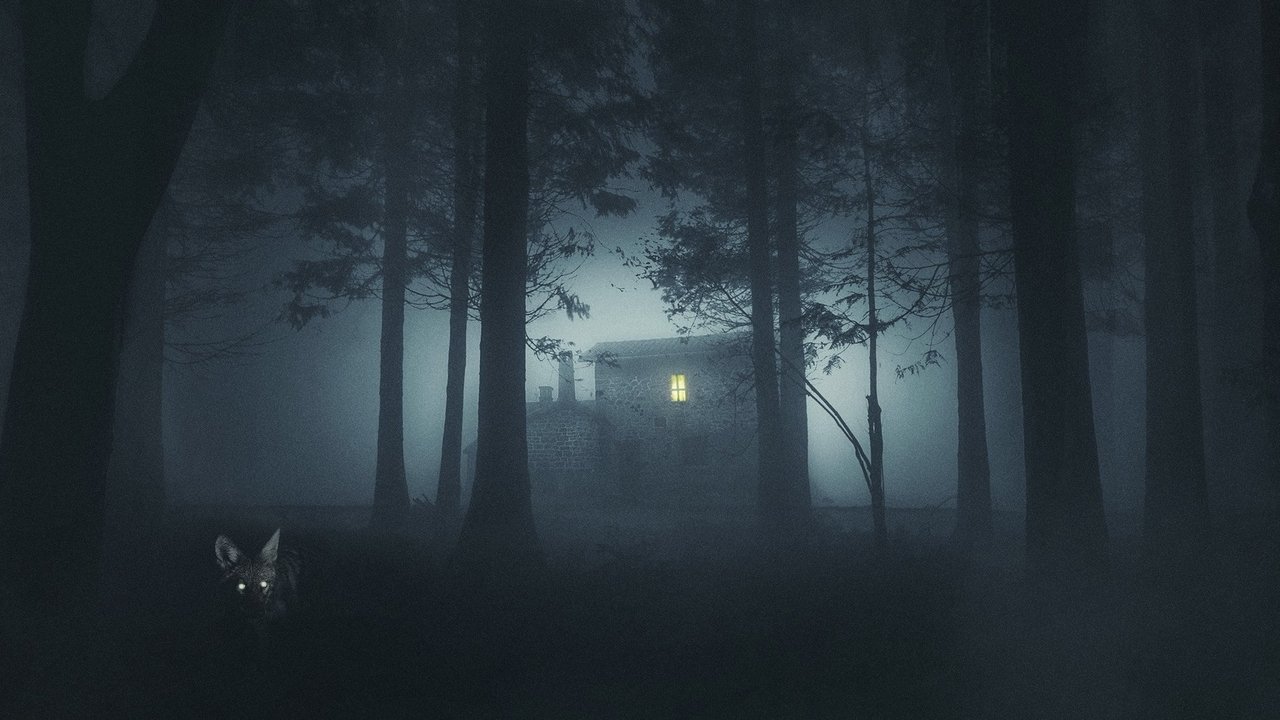
Visually, *Shelby Oaks* operates in this gap between what is recorded and what is felt. The found footage segments are frantic, filled with the desperate need to *see* the ghost. In contrast, the traditional narrative segments are marked by a dreadful stillness. Cinematographer Andrew Scott Baird frames Mia in spaces that feel too large for her, emphasizing her isolation. The horror here is not initially the demon Tario, but the silence of a house where a sister should be. The film argues that the scariest thing isn't the monster on the tape; it’s the empty chair the tape left behind.
At its core, the film is a tragedy of obsession. Camille Sullivan’s Mia is not the typical "final girl" fighting for survival; she is a woman fighting for a retcon of her own life. Her search for Riley is a refusal to accept the credits roll on her sister’s existence. The narrative suggests that trauma, much like the film’s demonic entity, is an inheritance—something that watches us from childhood windows, waiting for the moment we are most vulnerable. The revelation of the demon’s true intent—targeting Mia’s fertility and her lineage—transforms the film from a mystery into a bleak commentary on how women’s bodies are often treated as vessels in this genre, both by the villains and the scripts themselves.
Does the film stumble? Certainly. The third act labors under the weight of its own mythology, occasionally trading the suffocating dread of the unknown for the more mechanical requirements of lore-building. The specific machinations of the cult and the entity Tario feel somewhat indebted to the "elevated horror" playbook of the last decade (echoes of *Hereditary* are unavoidable). Yet, these are minor grievances in a work of such confident emotional architecture.
*Shelby Oaks* succeeds because it treats the camera not as a passive observer, but as an active participant in the haunting. Stuckmann has crafted a film that feels like an exorcism of his own influences, resulting in a piece of cinema that is raw, mournful, and deeply human. It reminds us that while we may turn off the screen, the images we invite into our lives never truly stop playing.