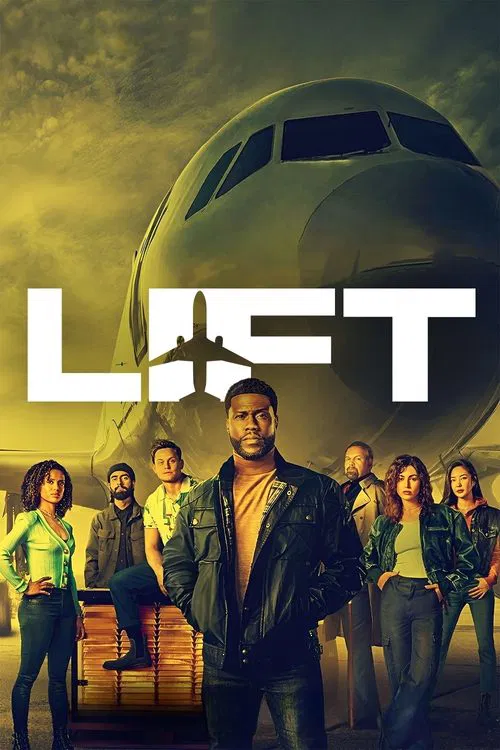
The Weight of ArtificialityTo watch *Lift* is to witness a peculiar modern tragedy: the transformation of cinema into a spreadsheet. Directed by F. Gary Gray, a filmmaker who once gave us the raw, pulsing energy of *Set It Off* and the polished, charismatic mechanics of *The Italian Job* (2003), this 2024 Netflix release feels less like a movie and more like a collection of data points algorithmically assembled to maximize global retention rates. It is a sleek, frictionless object that slides off the brain the moment the credits roll—a heist film that manages to steal two hours of time while leaving absolutely no trace of human touch.
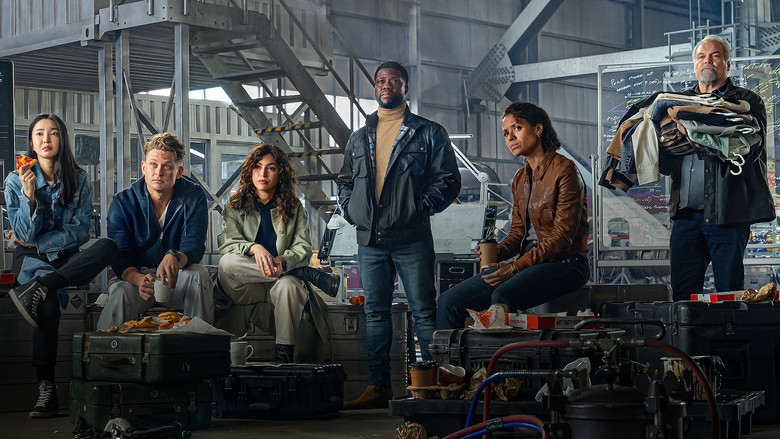
The visual language of *Lift* is one of aggressive, sterile competence. Gray, usually a director with a keen eye for spatial geography and ensemble chemistry, here seems trapped in the "Netflix aesthetic"—a brightly lit, over-saturated flatness where Venice, London, and the skies above the Alps all look like the same high-resolution screensaver. The CGI-heavy sequences, particularly the mid-air heist involving a stealth jet tethering itself to a passenger plane, are technically proficient yet weightless. There is no sense of danger, no grit in the gears. When cars careened through Los Angeles in *The Italian Job*, we felt the crunch of metal; here, $500 million in gold bullion floats through the air with the physics of a cartoon, stripping the climax of any tactile stakes.

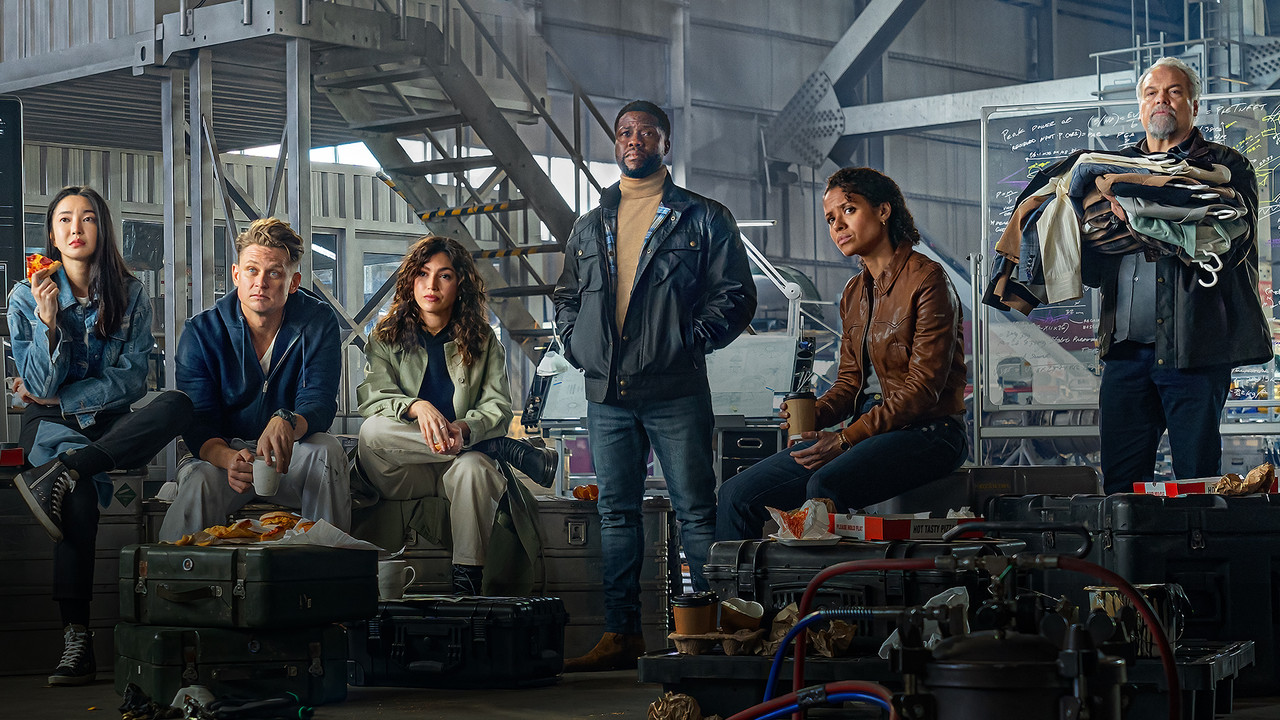
At the center of this void is Kevin Hart, an actor of immense energy who has made a fascinating, if failed, pivot here. Playing Cyrus Whitaker, a master thief with a heart of gold, Hart abandons his manic, high-decibel persona for a subdued, Clooney-esque cool. The problem is not the attempt, but the emptiness of the result. By suppressing his natural comedic chaotic energy, Hart doesn't reveal a new dramatic depth; he simply disappears. He is paired with Gugu Mbatha-Raw, a performer of tremendous warmth and intelligence, yet their romance—the emotional engine of the film—feels contractually obligated rather than organically grown. They move through the motions of attraction with the passion of two colleagues sharing a PowerPoint presentation.

The film’s opening gambit—a heist revolving around an NFT—is perhaps the most unintentional metaphor for the movie itself. Like the digital token they steal, *Lift* is a non-fungible asset with an artificially inflated value, devoid of inherent utility or beauty. It attempts to replicate the camaraderie of *Ocean’s Eleven* but forgets that the charm of that franchise came from the idiosyncrasies of its characters, not the complexity of its gadgets. Here, the supporting cast, including a criminally underused Vincent D’Onofrio and Úrsula Corberó, are reduced to single-trait avatars (The Driver, The Hacker, The Disguise Guy) rather than living, breathing people.
Ultimately, *Lift* represents the "content-ification" of the action genre. It is a film designed to be played in the background while folding laundry, a piece of entertainment so terrified of friction that it smooths away any edge that might hook an audience's genuine interest. F. Gary Gray has proven he can direct with soul and fire; *Lift*, sadly, is a heist where the only thing truly missing is the risk.