The Uncanny Valley of the DollsIf cinema is a mirror reflecting our cultural anxieties, Jonathan Liebesman’s 2014 reboot of *Teenage Mutant Ninja Turtles* is a funhouse mirror—distorted, loud, and uncomfortable to look at for too long. Produced under the explosive aegis of Michael Bay, this iteration of the heroes in a half-shell attempts to drag a property defined by its scrappy, underground charm into the blinding light of the modern military-industrial blockbuster. The result is a film that feels less like a narrative and more like a stress test for CGI rendering farms, stripping away the warmth of the 1990 original in favor of a grimy, hyper-realistic aesthetic that nobody asked for.
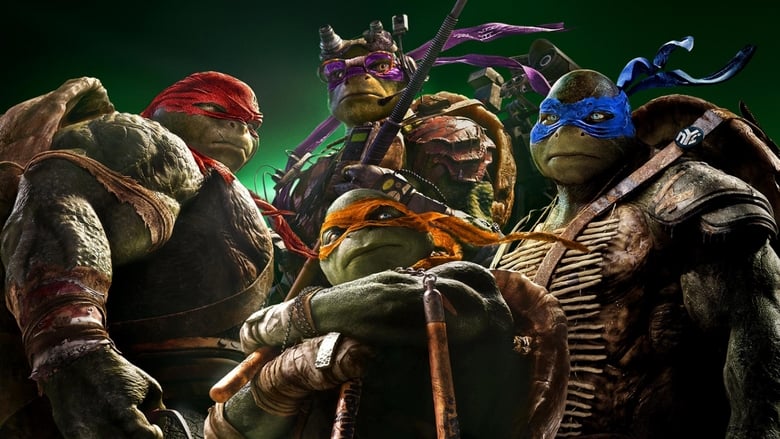
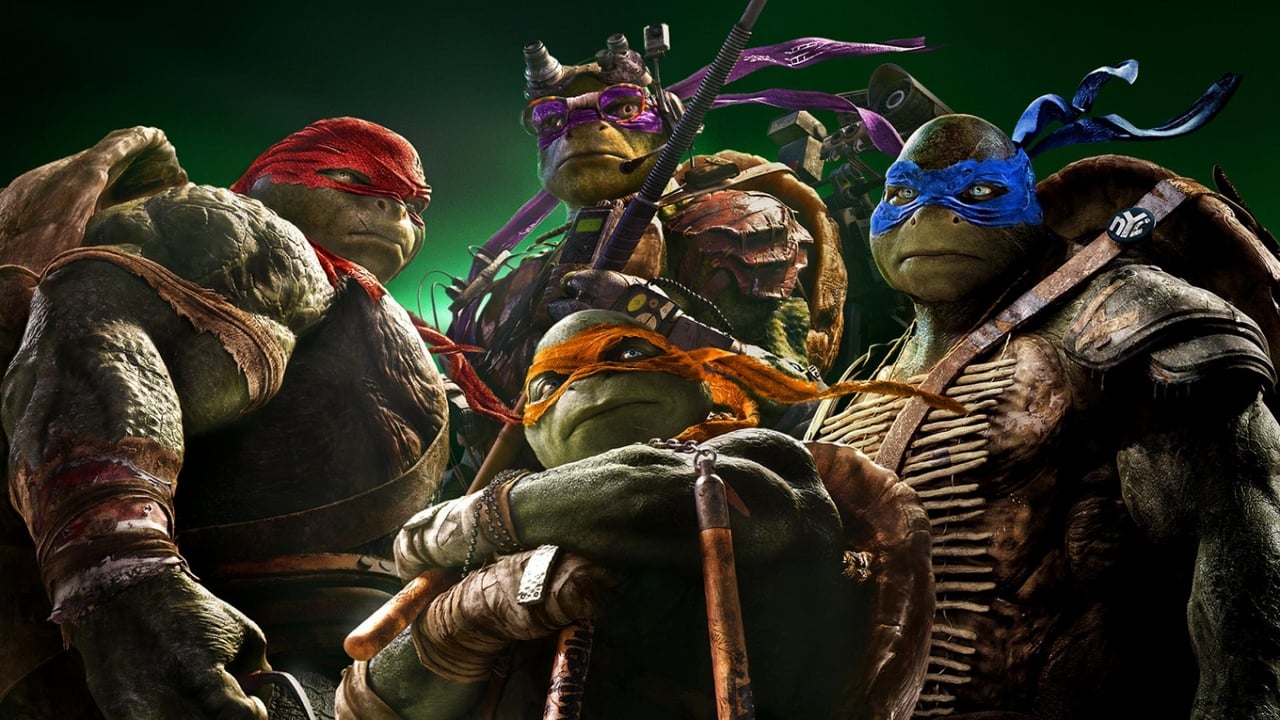
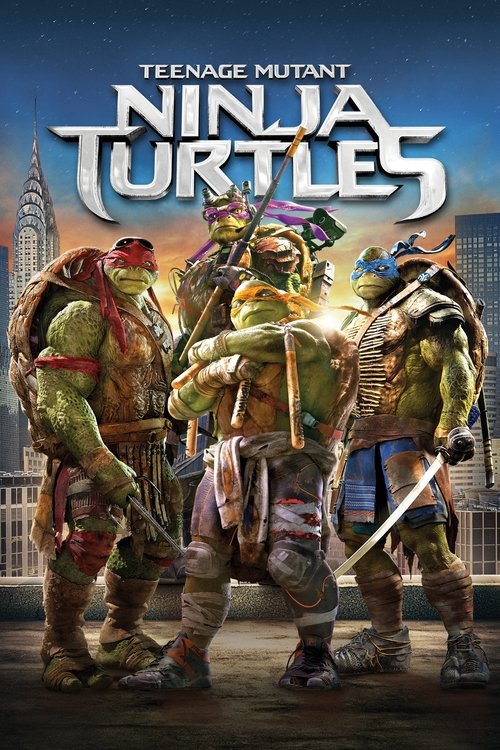
From a visual standpoint, Liebesman and his team make a baffling choice to ground these mutant creatures in a "reality" that rejects the suspension of disbelief. The Turtles here are not the friendly neighborhood ninjas of yesteryear; they are hulking, six-foot behemoths with unsettlingly human features. The addition of nostrils and lips to these reptiles pushes them deep into the uncanny valley, making them look less like teenagers and more like Shrek’s steroid-abusing cousins. The film’s visual language is pure chaotic kineticism—a swirl of digital debris, lens flares, and muddy lighting that obscures the action rather than clarifying it. New York City isn't a character here; it’s a destructible playground, a grey canvas waiting to be smashed by the weight of digital avatars.
Despite the visual noise, there are fleeting moments where the film remembers its humanity. The much-discussed elevator scene—an improvised moment where the brothers beatbox rhythmically before a climatic battle—is the film’s only genuine heartbeat. In those few seconds, the suffocating plot about toxic gas and corporate villainy fades, and we see the distinct personalities of four brothers who actually like each other. It serves as a melancholy reminder of the movie this could have been if it weren't so busy trying to be *Transformers* with nunchucks. The performances, particularly Noel Fisher as Michelangelo, struggle valiantly to inject soul into the motion-capture suits, but they are constantly drowned out by a script that prioritizes exposition over interaction.

Ultimately, the film suffers from a crisis of identity. It wants to be a gritty, urban vigilante film for adults who grew up with the comics, but it is tethered to a juvenile plot designed to sell toys to a new generation. By trying to serve two masters, it serves neither. The villainous Shredder is reduced to a Swiss Army Knife of special effects, lacking the menacing grandeur of a true martial arts antagonist. We are left with a spectacle that is technically proficient but emotionally hollow. *Teenage Mutant Ninja Turtles* (2014) is a monument to excess—a film that proves just because you *can* render a turtle with pores and scars, doesn't mean you *should*. It is a loud, metallic shell with no ghost inside.