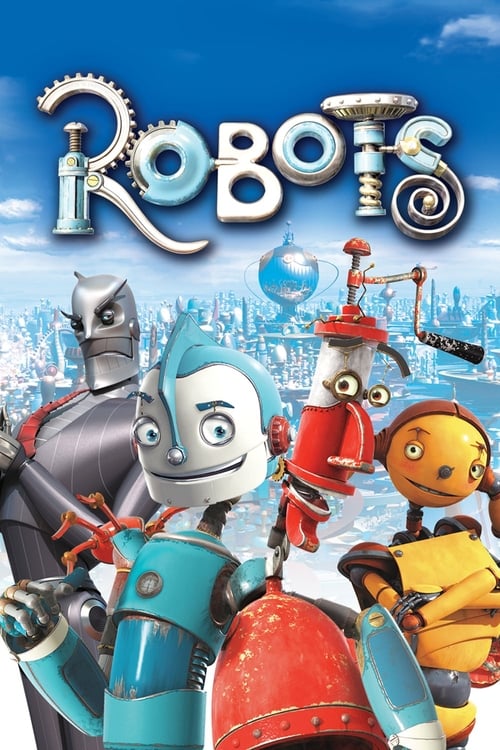
The Rust Inside the MachineIn the mid-2000s, while Pixar was perfecting the emotional sheen of aquatic life and superheroes, Blue Sky Studios released a film that felt distinctly more industrial, clunky, and perhaps accidentally profound. *Robots* (2005), directed by Chris Wedge, is often remembered as a frantic vehicle for Robin Williams’ improvisation, but to view it solely as a comedy is to ignore its surprisingly brutal architectural skeleton. Beneath its bright, kinetic surface lies a melancholy fable about late-stage capitalism, class struggle, and the terror of planned obsolescence. It is a film that asks a question rare in family animation: What happens to the poor when the corporation decides they are no longer profitable?
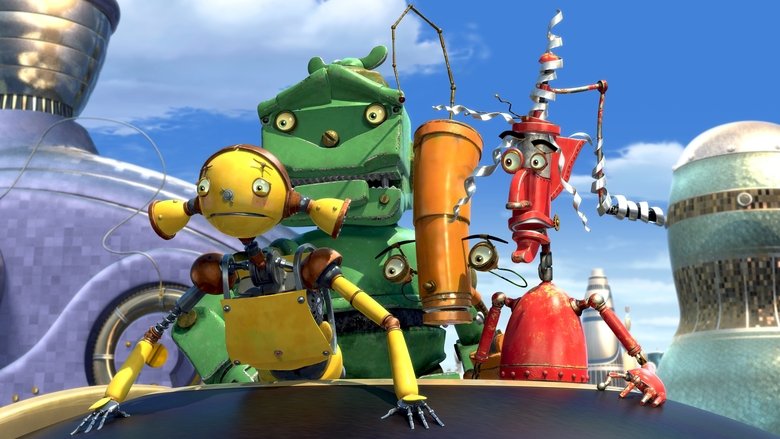
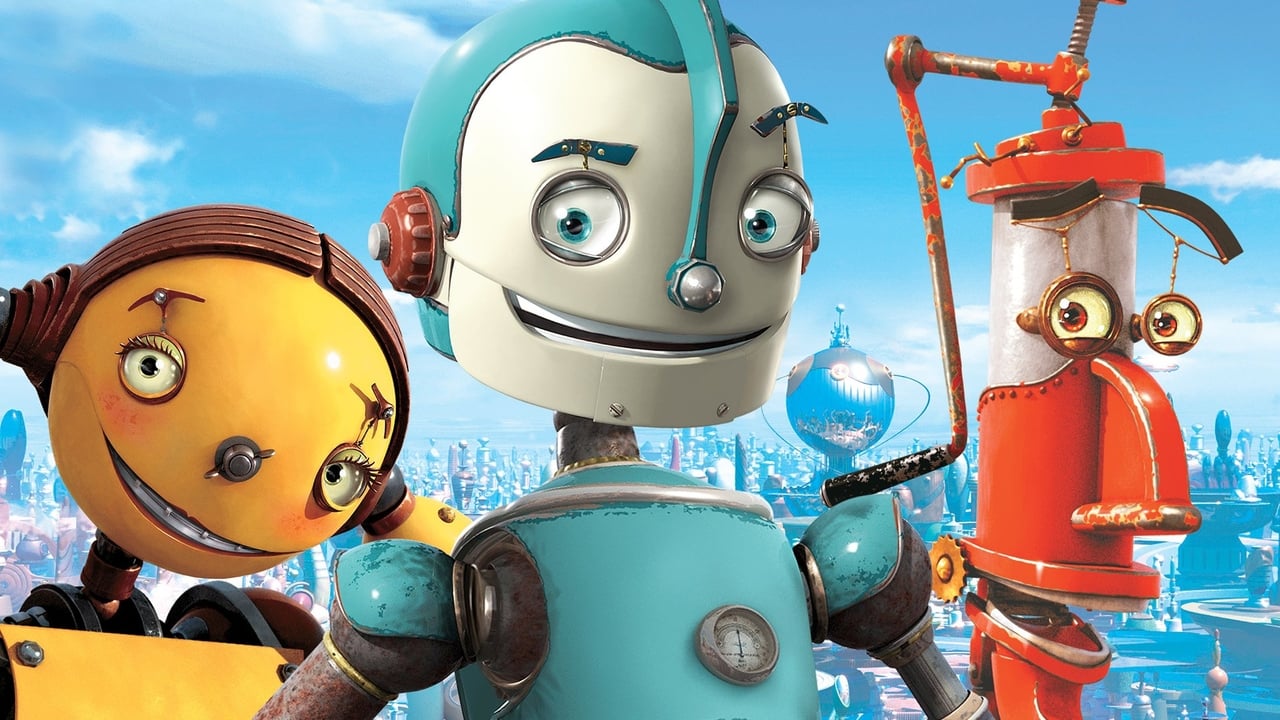
Visually, *Robots* is a triumph of texture over polish. Unlike the sterile plasticity that plagued early CGI, Wedge’s world is defined by wear and tear. The animation team created a universe of rivets, oxidizing copper, and greased gears that feels tactile and heavy. The "Crosstown Express" sequence—a Rube Goldberg nightmare of public transit—remains a masterclass in kinetic geography, hurling our protagonist Rodney Copperbottom through a city that looks less like a futuristic utopia and more like a gentrified factory floor. The aesthetic choice to base the character designs on mid-century appliances (toasters, outboard motors) grounds the film in a nostalgia that is rapidly being eroded by the film’s antagonist.
The narrative arc, while seemingly a standard "small-town boy makes good" trope, quickly curdles into a nightmare of corporate restructuring. Rodney arrives in Robot City not to fight a wizard or a monster, but to confront Phineas T. Ratchet, a corporate executive who has staged a hostile takeover of Bigweld Industries. Ratchet’s decree—"Upgrades, people, upgrades!"—is chillingly familiar. By discontinuing the manufacture of spare parts, the film creates a literal underclass of "outmodes" who are slowly falling apart, unable to afford the healthcare (repairs) required to exist. The film's "chop shop," a hellscape where the poor are melted down for scrap, is a surprisingly dark metaphor for how society discards its most vulnerable.
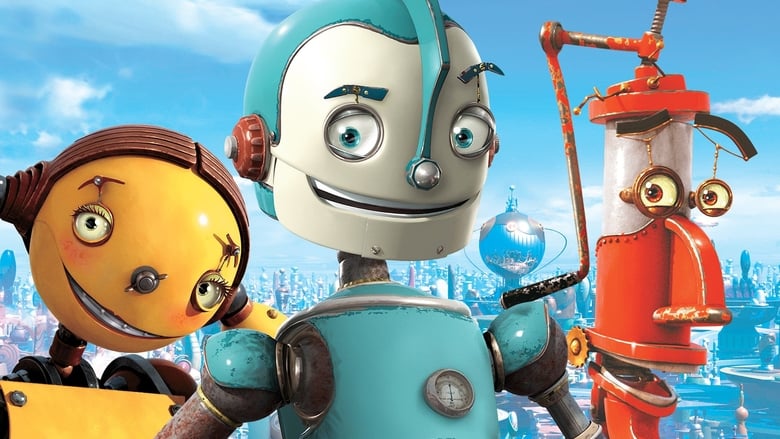
The emotional core, however, struggles against the film’s manic pacing. Ewan McGregor’s Rodney is a sincere, blue-collar labor organizer in the guise of an inventor, but he is often drowned out by the noise of the supporting cast. Robin Williams, voicing the jagged red robot Fender, delivers a performance of frenetic desperation. While often played for laughs, Fender’s constant physical disintegration is a source of genuine body horror masked as slapstick. Yet, the film finds its soul in the quiet resignation of Bigweld (Mel Brooks), the displaced founder who has retreated into apathy. Brooks gives voice to the specific sadness of a creator watching his altruistic dream get cannibalized by the profit motive.
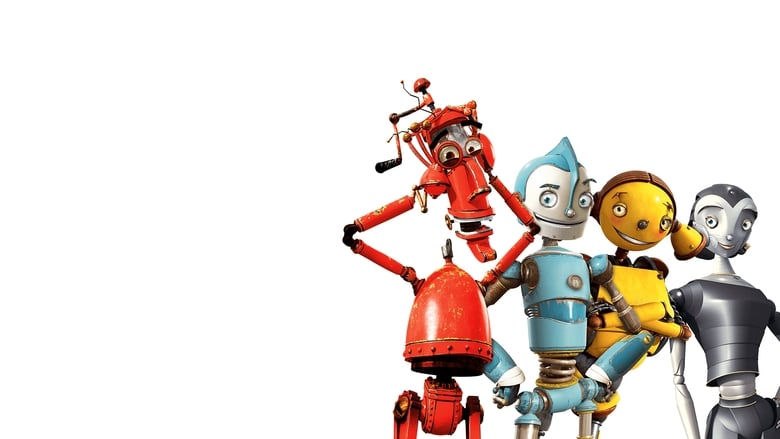
Ultimately, *Robots* is a fascinating, imperfect artifact. It suffers from the era's tendency to overstuff scripts with pop culture references that age as poorly as a rusty bumper. However, its central thesis remains fiercely relevant. It rejects the shiny allure of the "upgrade" in favor of the right to repair—the right to maintain one's dignity and history in the face of a disposable culture. It is a film that argues the future shouldn't just belong to the shiny and new, but to those who are willing to fix what is broken.