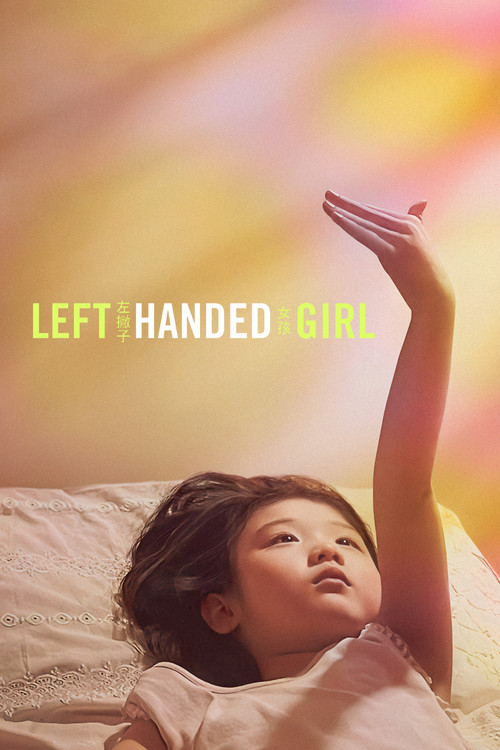
The Devil’s Hand in the Neon GardenThere is a specific, frantic rhythm to the night market—a cacophony of sizzling oil, shouting vendors, and the shoulder-to-shoulder friction of bodies seeking comfort in food. In *Left-Handed Girl* (2025), director Shih-Ching Tsou does not merely use this setting as a backdrop; she weaponizes it. Making her solo directorial debut after decades of producing for Sean Baker (*The Florida Project*, *Anora*), Tsou proves she is not just a collaborator but an auteur of the highest order. This is a film about the suffocating intimacy of survival, where the promise of a fresh start in Taipei is threatened not by the city’s vastness, but by the microscopic superstitions we refuse to let die.

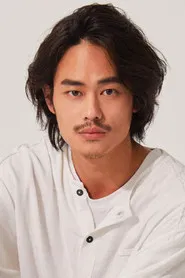
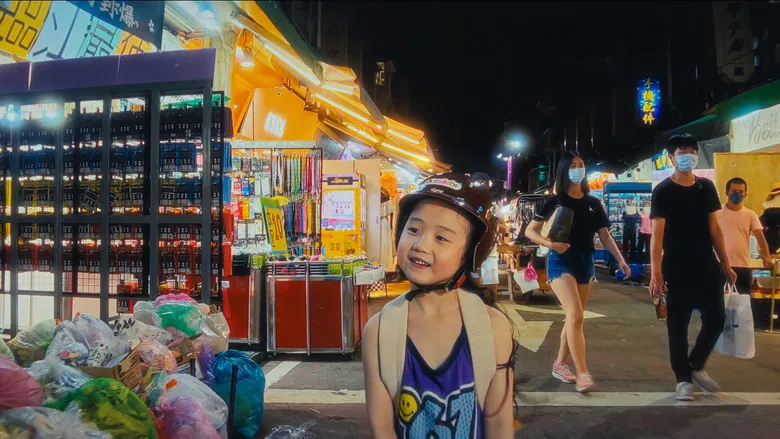
The narrative framework is deceptively simple. Shu-Fen (Janel Tsai), a single mother weighed down by debt and duty, relocates her two daughters to the capital to open a noodle stall. But the film’s visual language, shot entirely on iPhones, betrays a far more complex emotional landscape. Tsou utilizes the smartphone’s lens not as a gimmick, but as a tool of immersion. The camera lives at hip-level, navigating the neon-drenched labyrinth of the market with a claustrophobic immediacy that mirrors the family’s entrapment. We are not watching them from a safe distance; we are jostled alongside them. The vibrant greens and pinks of the market signage reflect off the characters’ faces, suggesting that the city is physically rewriting their identities.
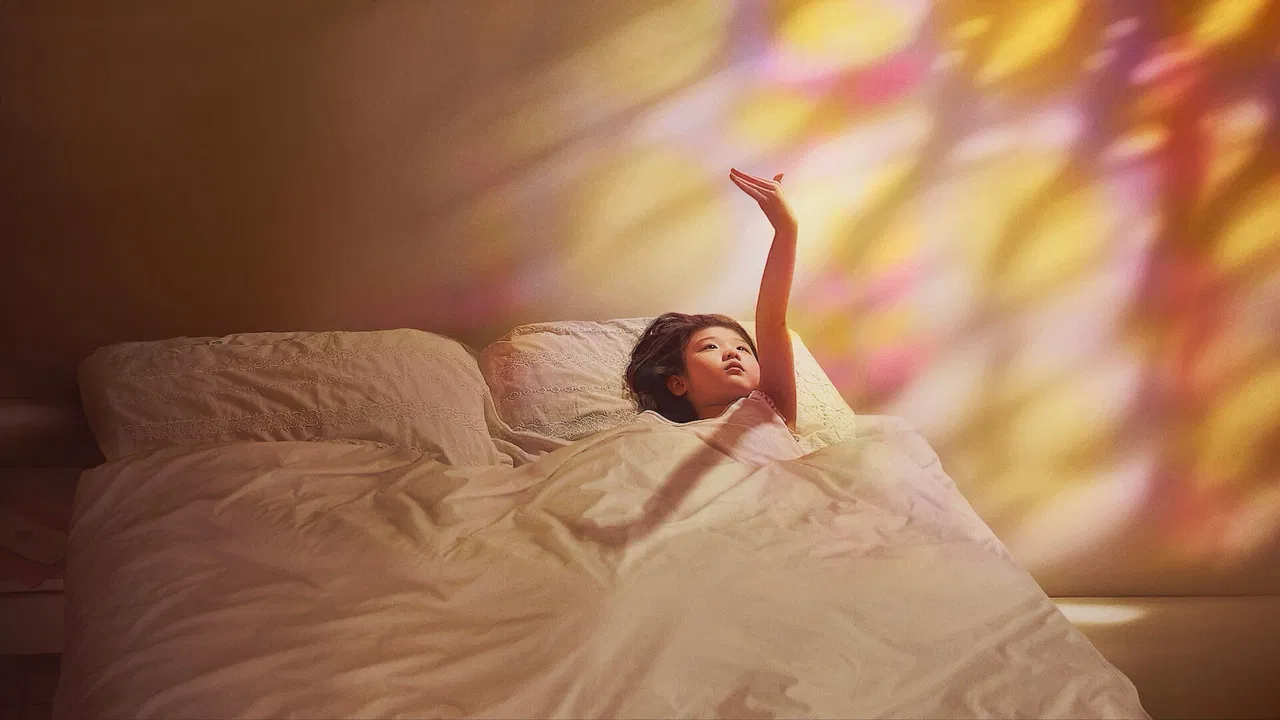
At the center of this storm is I-Jing (a revelation of a performance by young Nina Ye). While her older sister I-Ann (Shih-Yuan Ma) drifts into the localized melancholy of the betel nut trade, I-Jing absorbs the film’s most poisonous conflict. When her grandfather scolds her for using her left hand—dubbing it the "Devil’s Hand"—the child internalizes this archaic superstition with tragic literalism. It is a masterstroke of screenwriting: the "devil’s hand" becomes a dissociation tool. If the hand is evil, then the hand can steal, break, and ruin without the child bearing the guilt. Tsou captures this psychological split without a shred of sentimentality, framing I-Jing’s petty thefts not as mischief, but as a desperate attempt to make sense of a world that has already decided she is wrong.

The film’s heart beats in the silent spaces between the shouting. There is a scene, devoid of dialogue, where Shu-Fen washes dishes in the cramped back alley behind her stall. The steam rises, obscuring her face, while the muffled roar of the market continues just feet away. In this moment, Tsou captures the crushing weight of the "noodle stand dream"—the realization that moving to the big city often just means trading one form of poverty for a louder, faster one. The performances are naturalistic to the point of feeling like documentary footage; we flinch when the characters argue because it feels like eavesdropping on a neighbor’s breakdown.
Ultimately, *Left-Handed Girl* is a searing critique of how intergenerational trauma is passed down like a family heirloom. The "Devil’s Hand" is not just about handedness; it is a metaphor for everything a traditional society rejects—autonomy, difference, and the refusal to conform. Tsou has crafted a film that is vibrant, messy, and profoundly human. It suggests that while we cannot sever the hands we are born with, we might, eventually, learn to stop apologizing for how we use them.