✦ AI-generated review
The Radicalism of Decency
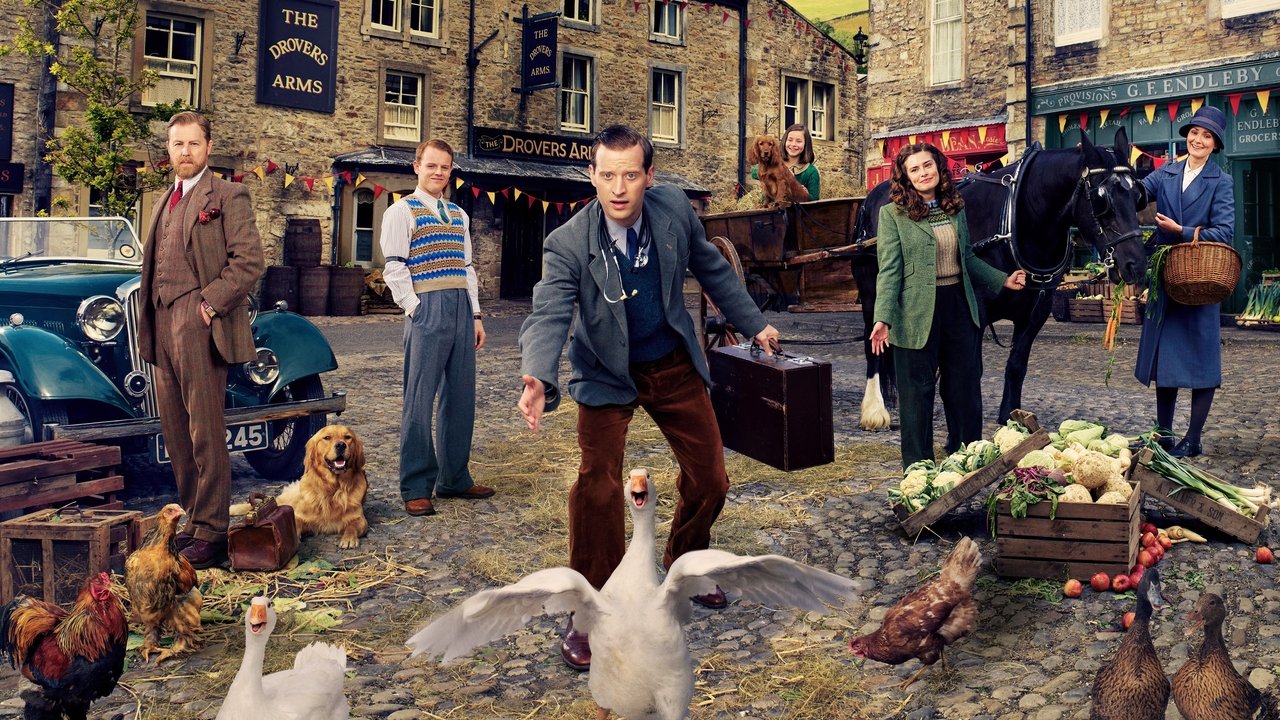
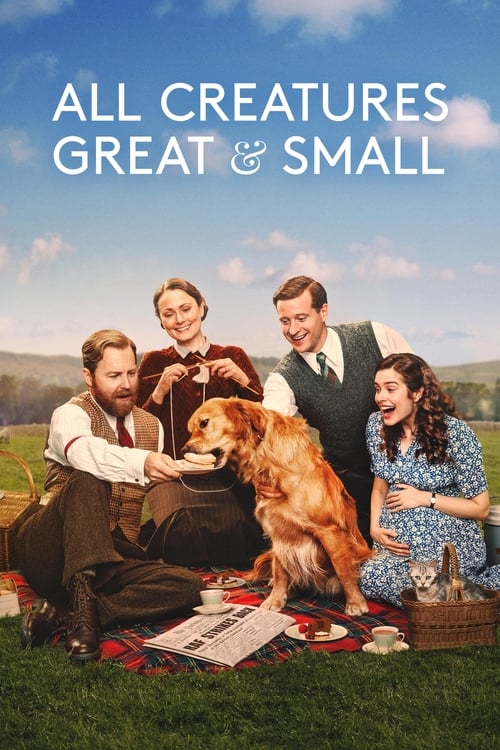
In the landscape of modern "prestige television," the currency is often cynicism. We have been trained to applaud the anti-hero, to dissect the anatomy of trauma, and to view optimism with a suspicious, sophisticated eye. Into this dark, jagged terrain arrived the 2020 adaptation of *All Creatures Great & Small*, landing in the midst of a global pandemic like a transmission from a different, gentler planet. To dismiss this series as merely "cozy" or "nostalgic" is to misunderstand its power. Under the direction of Brian Percival and the writing of Ben Vanstone, this return to the Yorkshire Dales is not a retreat from reality, but a defiant assertion that decency is a narrative force as compelling as corruption.
Visually, the series is a deliberate rejection of the "gritty" aesthetic that defined the beloved 1978 BBC adaptation. Where the original often felt like a docu-drama shot in rain-streaked 4:3, the 2020 iteration bathes the Dales in the golden, cinematic light of a feature film. The camera lingers on the rolling heather and the stone walls with a reverence that borders on the spiritual. However, this visual lushness—which could easily slip into the saccharine—is grounded by the tactile, messy reality of the veterinary profession. When newcomer Nicholas Ralph, playing the gentle but steely James Herriot, plunges his arm into a birthing cow, the scene is not played for shock or comedy, but for the sacred, muddy truth of rural labor. The show argues that beauty and muck are not opposites; they are neighbors.
The true modernity of this adaptation, however, lies in its restructuring of the human dynamics within Skeldale House. The series wisely dispenses with the more episodic, anecdotal structure of James Herriot’s memoirs in favor of a cohesive emotional arc centered on the "found family." The standout achievement here is the reimagining of Mrs. Hall. Played with subtle, heartbreaking grace by Anna Madeley, she is no longer a background housekeeper but the moral and emotional fulcrum of the narrative. Her quiet stewardship of the volatile Siegfried (a magnificent Samuel West) and the wayward Tristan (Callum Woodhouse) transforms the house from a workplace into a sanctuary.
Siegfried himself is a study in complex benevolence. West plays him not just as an eccentric curmudgeon, but as a man deeply wounded by the First World War, whose bluster is a shield for a terrifying capacity to care. The conflict in *All Creatures Great & Small* rarely comes from external villains; it arises from the friction of good people trying, and sometimes failing, to understand one another.
There is a subversive quality to a show that suggests the highest stakes in life might be the survival of a farmer’s shorthorn cow or the mending of a brotherly rift. By treating these small victories with the same gravity that other dramas reserve for murder and betrayal, the series recalibrates the viewer's own scale of importance. It posits that a community built on mutual reliance is not a quaint relic of the 1930s, but an urgent necessity for the present. *All Creatures Great & Small* does not offer an escape from the world, but a reminder of what makes the world bearable: the rigorous, exhausting, and essential work of being kind.