The Architecture of NecessityThere is a specific frequency at which Taylor Sheridan operates—a low, rumbling hum of competence and violence. In his scripts (*Sicario*, *Hell or High Water*) and his burgeoning television empire (*Yellowstone*), the world is defined not by laws, but by the raw exercise of power. With *Special Ops: Lioness*, Sheridan attempts to transpose this frontier morality onto the global stage of counter-terrorism. The result is a sleek, muscular, and often deeply cynical meditation on the cost of security. It is a series that asks us to look at the blood on the floor and accept it as the foundation of the house we live in.
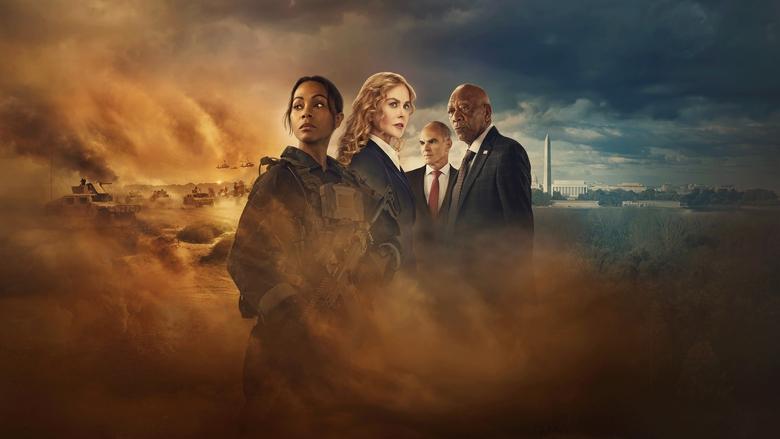
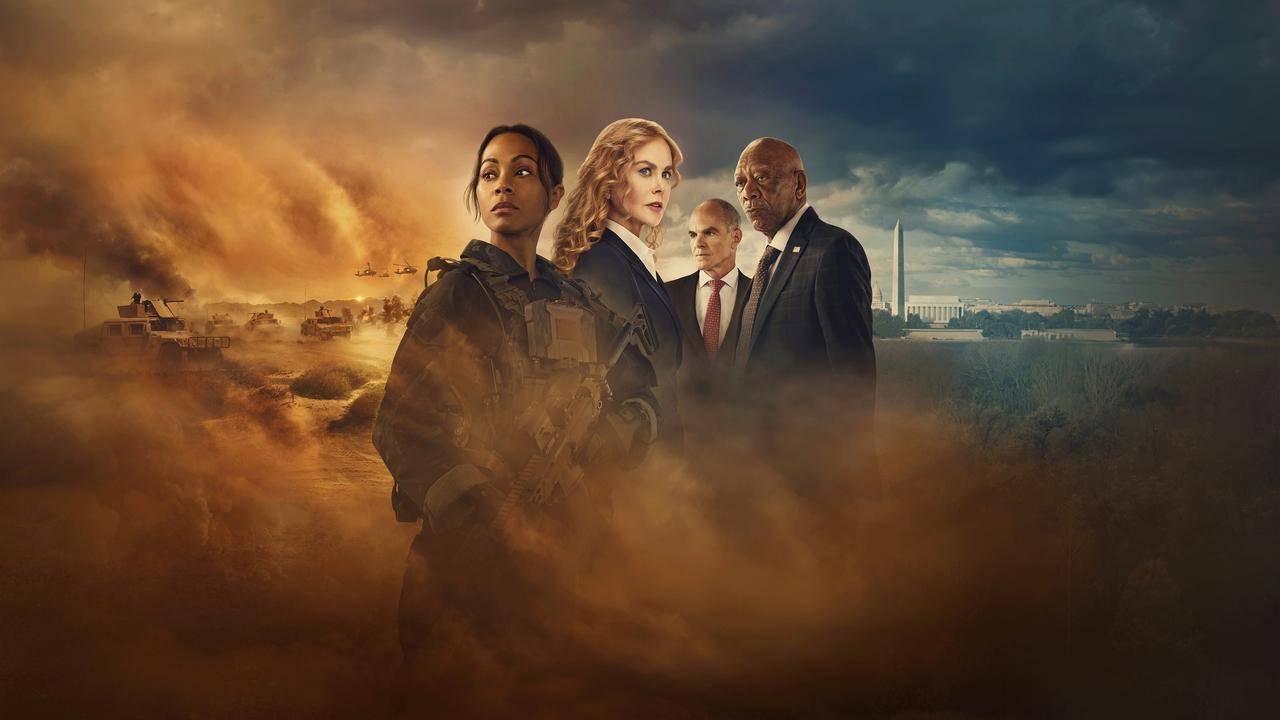
Visually, *Lioness* is a study in suffocating contrasts. Cinematographer Paul Cameron and the directing team strip the "glamour" from espionage, replacing the tuxedoed fantasy of Bond with the dusty, frantic reality of modern warfare. The camera lingers on the debris of a drone strike or the bruising on a recruit’s face with a clinical detachment. The color palette is often desaturated—steely blues in the CIA situation rooms and scorching, overexposed ochres in the Middle Eastern theatres of operation. This visual language serves the narrative perfectly: there is no vibrancy here, only the stark, exhausting business of survival. The action sequences are not choreographed dances but messy, deafening spasms of violence that leave the characters rattling with adrenaline long after the gunfire stops.

At the center of this moral vacuum is Joe McNamara, played with coiled intensity by Zoe Saldaña. Saldaña is the anchor of the series, delivering a performance of rigid, terrifying discipline. As the handler for the "Lioness" program—which embeds female operatives with the wives and daughters of high-value targets—Joe is a weapon masquerading as a manager. The brilliance of her performance lies in the cracks in her armor. We see her compartmentalize the trauma of sending young women to their potential deaths, locking it away behind a facade of bureaucratic necessity.
Her foil is Cruz Manuelos (Laysla De Oliveira), a rough-edged Marine whose body is a map of her past traumas. The relationship between handler and asset is the show's beating heart. Unlike the mentorship we expect in this genre, Joe’s guidance is transactional and often cruel. She is not teaching Cruz how to be a spy; she is sharpening Cruz into a blade. The "Lioness" concept itself is a fascinating narrative device, weaponizing empathy and intimacy in a way that feels distinctly feminine yet brutally efficient. It suggests that in modern war, the ability to bond is just as lethal as the ability to shoot.
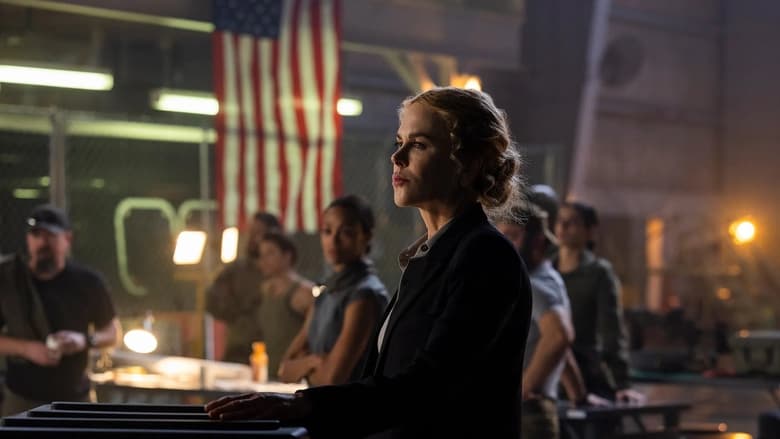
The series is not without its stumbling blocks. Sheridan’s penchant for melodrama bleeds into the domestic subplots, where Joe’s family struggles feel like a distraction from the geopolitical tension. Furthermore, the show’s worldview is aggressively utilitarian—it posits that the American empire is a necessary monster, a stance that can feel like polished propaganda to a skeptical eye. Yet, even when the narrative threatens to collapse under its own self-importance, the performances keep it upright.
Ultimately, *Special Ops: Lioness* is a grim portrait of the people we pay to lose their souls so we don't have to. It doesn't ask if the mission is right; it asks if the operative can survive it. In Sheridan’s universe, victory isn’t about waving a flag; it’s about being the one left standing when the smoke clears, no matter how much of yourself you had to leave behind.