✦ AI-generated review
The Tariff of Revenge
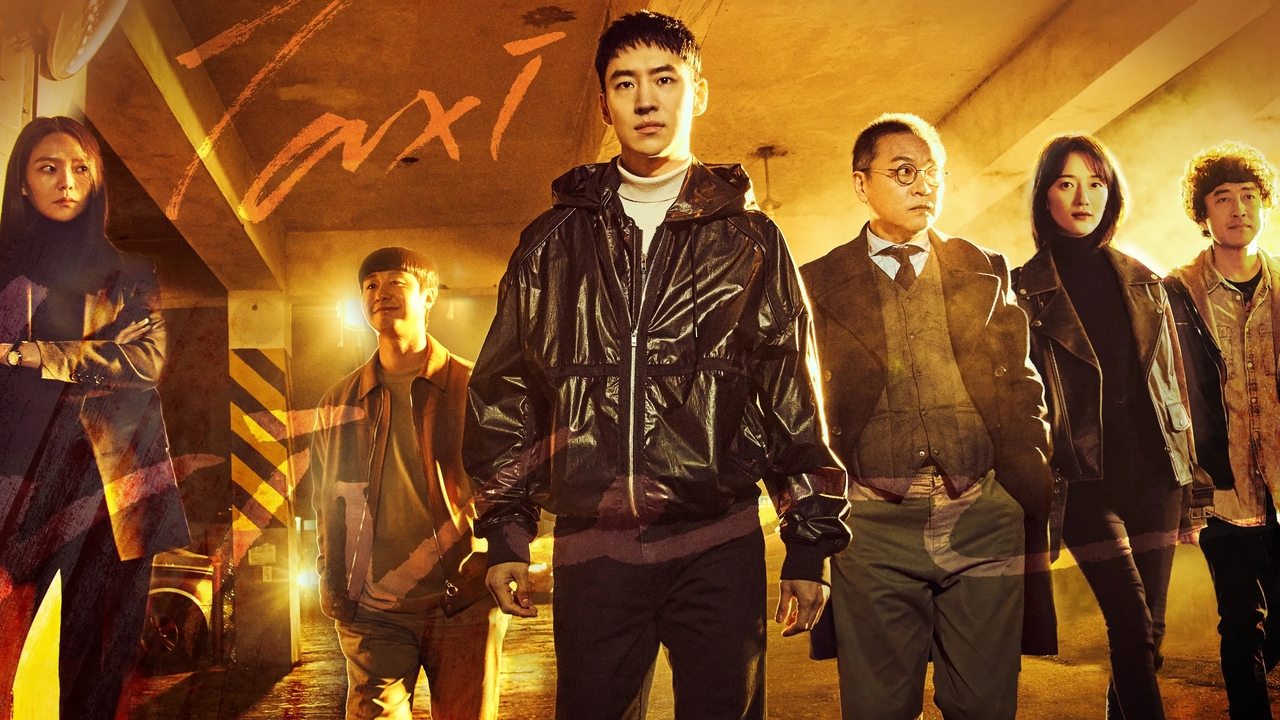
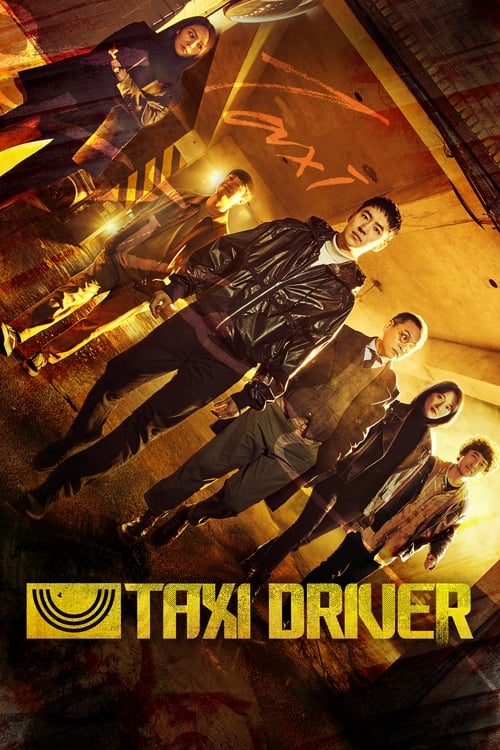
In the modern landscape of South Korean media, where the glamorous veneer of K-pop often masks a rigid, high-pressure society, *Taxi Driver* (2021) arrives not as a piece of entertainment, but as a primal scream. Directed with stylized grit, the series functions less like a procedural drama and more like a collective exorcism for a nation disillusioned by its own legal system. While it shares a title with Martin Scorsese’s 1976 masterpiece, this series trades Travis Bickle’s chaotic nihilism for a surgical, corporate brand of vigilantism. It posits a terrifyingly simple question: When the law fails to protect the weak, what is the market price for revenge?
The premise is absurdly comic-book: the Rainbow Taxi Company, a front for a secret organization, offers a "revenge-call" service. "Don’t die, get revenge, we’ll do it for you," reads the sticker found by desperate victims. Yet, the series anchors this heightened reality in the nauseating mud of truth. The director and writer Oh Sang-ho pull their "cases of the week" directly from the headlines of South Korea's most traumatic recent crimes—the salt farm slavery incidents, the WeDisk workplace violence scandal, and the release of child predators due to "mental weakness." This grounding technique transforms the show from a simple action romp into a cultural critique. We are not watching fictional villains; we are watching caricatures of untouchable monsters who walk the real streets of Seoul.
Visually, the series operates in a world of high-contrast dualities. The cinematography oscillates between the warm, nostalgic amber of the taxi garage—a haven of found family—and the desaturated, fluorescent-lit hellscapes where the victims suffer. The action sequences are kinetic and brutal, often filmed with a visceral crunch that emphasizes the physical cost of justice. However, the show's true visual weapon is its star, Lee Je-hoon.
As Kim Do-gi, the former special forces officer turned driver, Lee delivers a performance of chameleon-like brilliance. He does not simply play a vigilante; he plays a vigilante who *plays* roles. To infiltrate a corrupt data mining company, he becomes a sycophantic nerd; to break a voice phishing ring, he adopts a flamboyant, fur-coated persona. Lee’s ability to slip between these masks—and then drop them to reveal the dead-eyed, hollow shell of a man grieving his mother—is the series' emotional anchor. He is the ferryman on the River Styx, taking passengers not to the afterlife, but to a catharsis they were denied by the courts.
However, *Taxi Driver* does not let the audience off the hook with simple applause. As the season progresses, the narrative intrudes upon its own fantasy. The "private jail" maintained by the Rainbow team begins to look less like a solution and more like a dungeon of horrors, mirroring the very evil they fight. The arrival of Prosecutor Kang Ha-na provides the necessary dialectic friction, challenging the team (and the viewer) to ask if a just result can ever come from an unjust process.
Ultimately, *Taxi Driver* is a tragedy dressed in the clothes of an action thriller. It acknowledges that for the Rainbow Taxi to exist, society must have already failed. The satisfaction we feel when Kim Do-gi pummels a predator is real, but it is a hollow, fleeting sugar rush. The series leaves us with a lingering, uncomfortable silence after the meter stops running: we cheer for the vigilante only because we no longer trust the judge.