✦ AI-generated review
The Architecture of Apotheosis
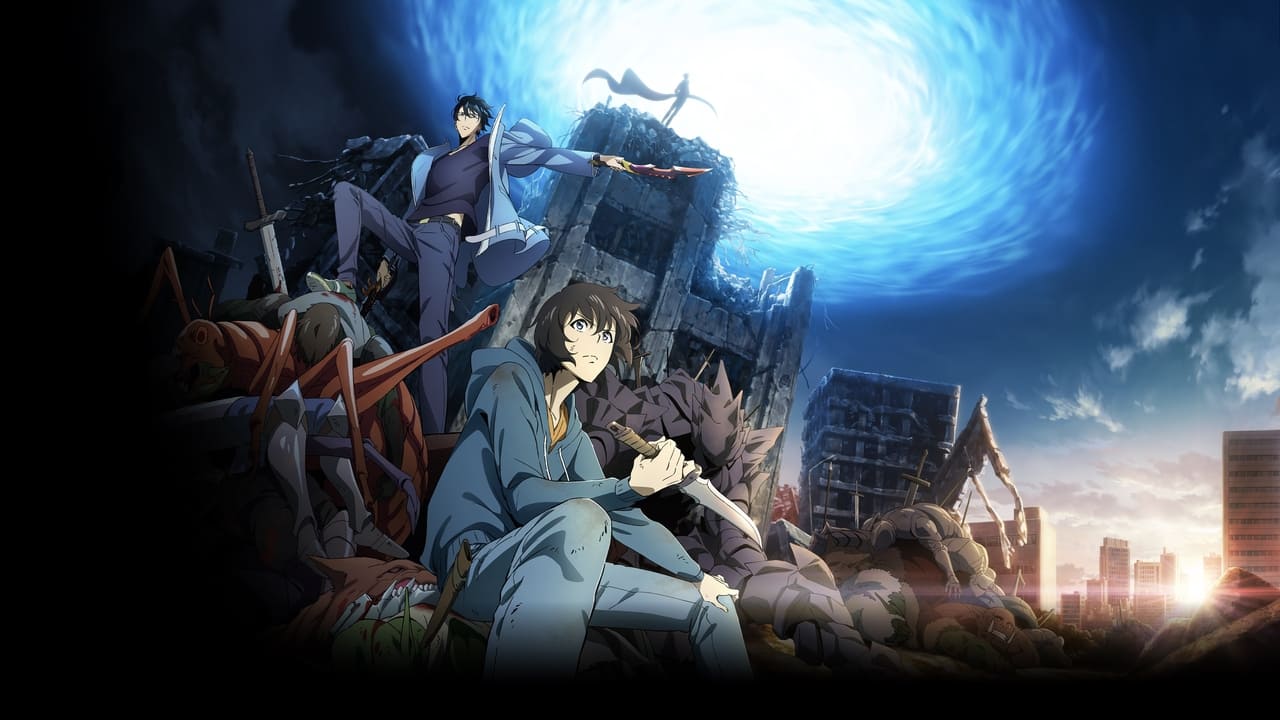
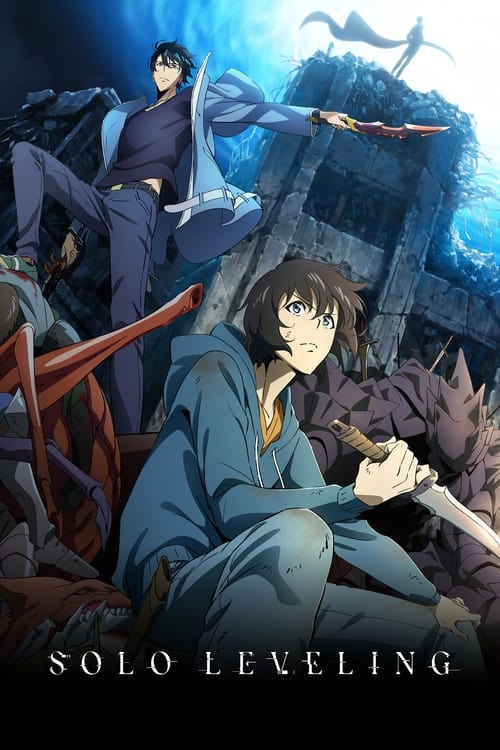
In the modern cultural landscape, the "level up" has become the ultimate metaphor for self-improvement. We track our steps, quantify our sleep, and gamify our productivity, secretly hoping that if we just hit the right metrics, our lives will fundamentally change. *Solo Leveling*, the 2024 adaptation of the South Korean manhwa phenomenon produced by A-1 Pictures, takes this digital anxiety and renders it as a brutalist, blood-soaked opera. While it wears the skin of a fantasy action series, its beating heart is a cold, cynical meditation on the isolation that comes with absolute power.
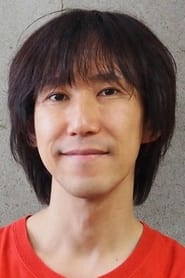
Directed by Shunsuke Nakashige, the series distinguishes itself immediately through its visual texture. Unlike the vibrant, almost neon-pop aesthetic of its webtoon source material, Nakashige opts for a cinematic, oppressive atmosphere. The lighting is heavy, often obscuring faces in shadow, suggesting that the "dungeons" are not merely monster closets but subterranean tombs where humanity is an intruder. This is most evident in the series’ foundational trauma: the Double Dungeon incident.
The sequence involving the "Statue of God" is not constructed like a typical anime battle; it is framed as religious horror. When the colossal stone deity cracks a smile, it is not a taunt—it is an expression of cosmic indifference. The ensuing slaughter is terrifying because it strips the characters of their agency, reducing "Hunters" to insects. This moment breaks the protagonist, Sung Jinwoo, and the show brilliantly argues that the Jinwoo who wakes up in the hospital is not a survivor, but a new entity entirely—a glitch in the world’s logic.
The narrative arc of Season 1 is less a hero’s journey and more a study in dehumanization. Jinwoo begins as the "World’s Weakest Hunter," a figure defined by his fragility and his desperate, pathetic need for money to support his family. He is relatable because he is vulnerable. However, as the "System"—a gamified interface visible only to him—begins to dictate his life, we watch his humanity erode in exchange for strength. The "System" is a cruel taskmaster; it forces him to kill or be penalized, turning murder into a daily quest.
The tragedy of *Solo Leveling* lies in its title. The leveling is "Solo" not just because Jinwoo is the only one growing, but because his growth necessitates solitude. As he sheds his physical weakness, he also sheds his reliance on others. By the time we reach the season finale and the introduction of the "Arise" command—arguably the series' visual zenith—Jinwoo is no longer fighting alongside comrades. He is raising the dead to serve him. The visceral thrill of watching him command the blood-red knight Igris is undercut by a melancholic realization: Jinwoo is building an army of shadows because he can no longer relate to the living.
Ultimately, *Solo Leveling* resonates not merely because it offers the spectacle of victory, but because it validates a darker fantasy: the dream of total control in a chaotic world. It posits that if you endure enough suffering, the universe will finally hand you the controller. Yet, Nakashige’s direction leaves us with a lingering chill. Jinwoo has become a god, sculpted by the interface, but in doing so, he has become the loneliest being on Earth. The numbers have gone up, but the man has hollowed out.