✦ AI-generated review
The Door That Never Stayed Shut
In the vast, often ephemeral landscape of Indian television, *CID* stands not merely as a show, but as a rigid, comforting institution. Premiering in 1998, just as the nation was negotiating the turn of the millennium and the explosion of cable television, this procedural drama became the background static of a generation. To view *CID* through the lens of prestige western television—comparing it to *The Wire* or *Mindhunter*—is to fundamentally misunderstand its function. This is not a study in gritty realism; it is a theatre of moral absolutism, played out in the brightly lit living rooms and dusty warehouses of Mumbai.
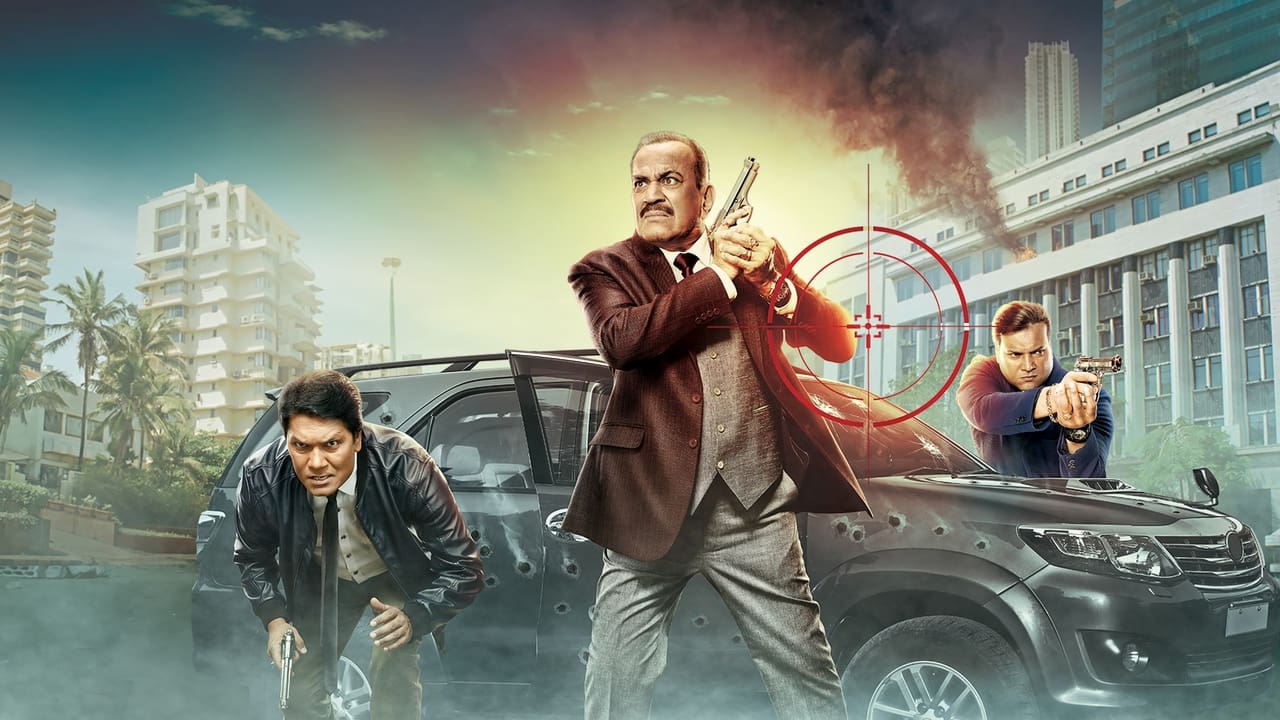
The series, created by B.P. Singh, operates on a visual language that is disarmingly simple, bordering on the hypnotic. The cinematography rarely indulges in shadows; everything is exposed, much like the truths ACP Pradyuman seeks. The camera work is frantic, characterized by the signature "whip-pan" zooms that punctuate every revelation, no matter how minor. These stylistic choices create a unique rhythm—a pulse that assures the viewer that while the crime is chaotic, the investigation is orderly. Yet, to dismiss the show as technically primitive would be a mistake. The 2004 episode "The Inheritance," filmed in a single, unbroken 111-minute take, remains a staggering feat of choreography and endurance that predates the celebrated "oners" of modern cinema, proving that beneath the procedural formula lay a restless, experimental spirit.
At the center of this universe stands Shivaji Satam as ACP Pradyuman, a performance of fascinating rigidity. With his trembling hand gestures and eyes that seem to scan the very soul of the suspect, Satam plays the role less like a police officer and more like a disappointed patriarch. His catchphrase, "Kuch toh gadbad hai" (Something is fishy), is not just a line of dialogue; it is a declaration of intuition triumphing over evidence. He is supported by Senior Inspectors Daya and Abhijeet, who represent the dual arms of the law: physical force and deductive reasoning. Dayanand Shetty’s Daya, famous for obliterating doors with a single kick, serves as the show’s ultimate punctuation mark. The door is never just a barrier; it is the obstacle of injustice, and Daya’s foot is the inevitable force of truth.
What sustained *CID* for over two decades was not the complexity of its mysteries—which often veered into the fantastical, involving deadly viruses and super-villains—but the emotional safety it provided. In a rapidly changing India, where urban isolation and crime were rising anxieties, the C.I.D. team offered a fantasy of competence and camaraderie. They were a family unit that never went home, a team that required no warrants, only moral certainty. The criminals were almost always caught, usually confessing under the sheer weight of a slap, restoring order to the world before the credits rolled.
Ultimately, *CID* transcended its genre to become a shared cultural language. In the internet age, it found a second life as a meme, yet the humor was affectionate, not mocking. We laugh at the broken doors and the dramatic pauses, but we also recognize the show's earnestness. It captures a specific innocence in Indian storytelling—a belief that if you look hard enough, and kick hard enough, the truth will eventually reveal itself.