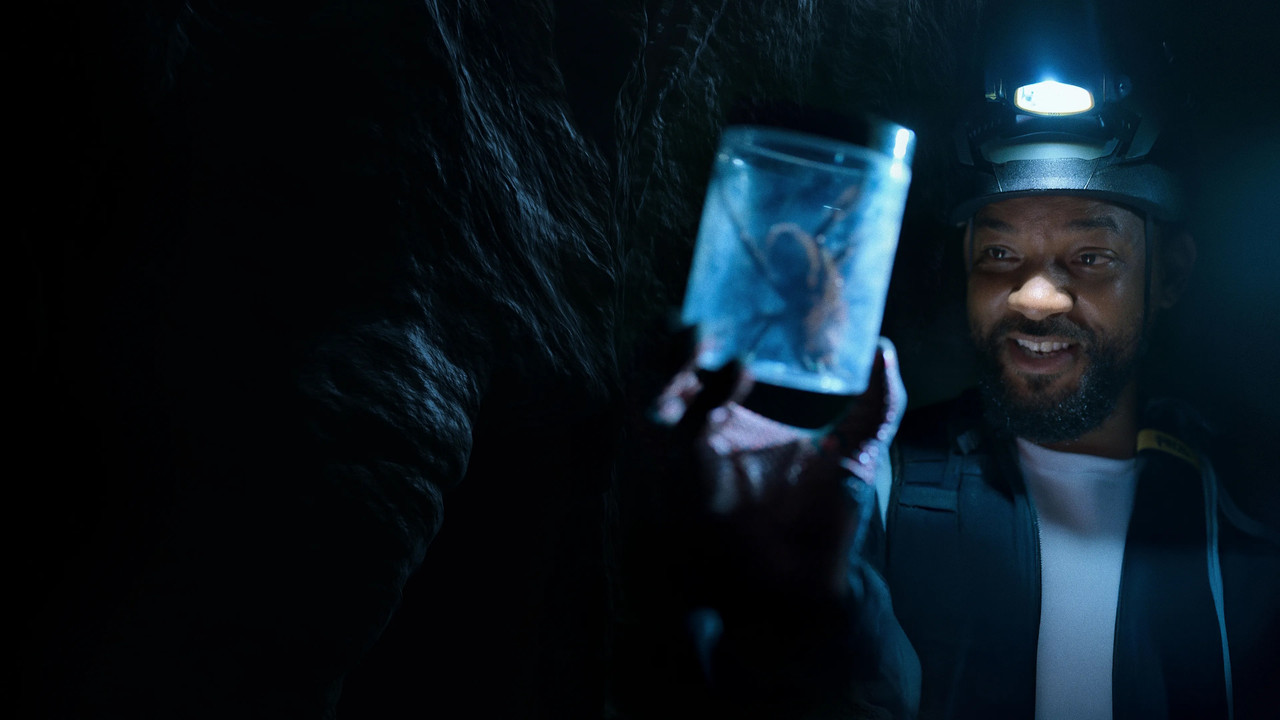
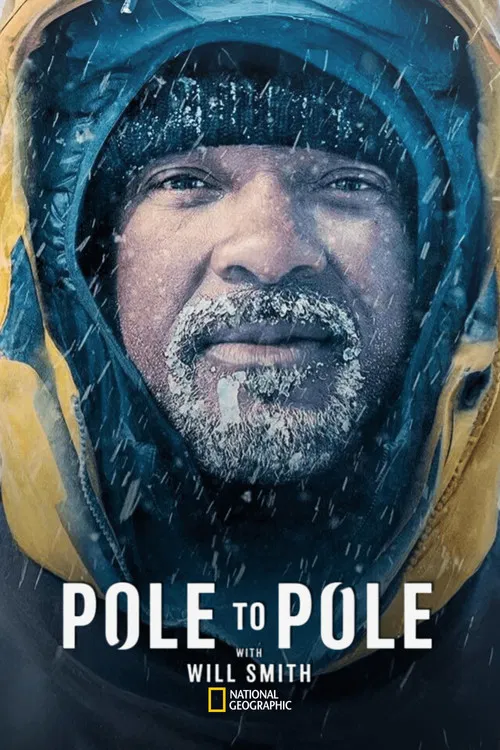
The Geography of PenanceThere is a specific sub-genre of documentary that has emerged in the twenty-first century: the celebrity endurance test. It is usually a transparent transaction, exchanging a famous face for viewership numbers while the star feigns danger in a controlled environment. However, *Pole to Pole with Will Smith* arrives in 2026 carrying heavier baggage than its predecessors. Following a tumultuous period in Smith’s public life, this 26,000-mile odyssey from the bottom of the world to the top feels less like an adventure serial and more like a pilgrimage. If the intention was a rehabilitation of image, the result is something far more interesting: a deconstruction of it.
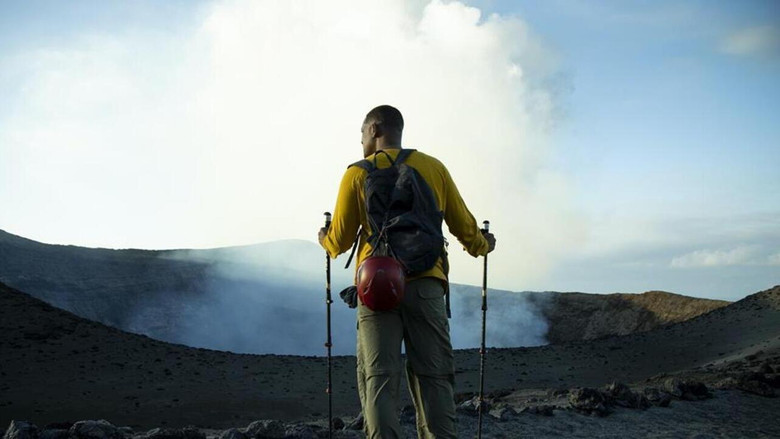
From a visual standpoint, the series—produced under the cinematic stewardship of Darren Aronofsky’s Protozoa Pictures—is suffocatingly beautiful. The camera does not merely observe the landscape; it submits to it. Whether capturing the minimalist white nightmare of the Antarctic plateau or the verdant, breathing claustrophobia of the Amazon, the cinematography emphasizes scale to a degree that renders the human element insignificant. This visual language serves the narrative perfectly. For a man who has spent decades being the largest gravitational force in any room, the framing here relentlessly reminds us (and him) of his cosmic smallness. The sound design mirrors this, often stripping away the score to leave only the crunch of crampons on ice or the unsettling silence of the deep ocean, forcing the audience to sit in the quiet alongside the protagonist.
The emotional core of the series lies in the tension between Will Smith the "Movie Star" and Will Smith the man. In early episodes, flashes of the old "Big Willie" bravado appear—the reflex to joke, to perform, to charm the camera. But the environment quickly erodes this defense mechanism. The most telling sequence occurs not during the high-octane physical feats, but in the quiet of Bhutan. Here, discussing the concept of "impermanence" with local monks, Smith’s usual polished charisma cracks. He isn't acting; he is listening. The physical journey mirrors this internal stripping down. By the time he reaches the North Pole for a terrifying dive beneath the ice, the fear in his eyes is palpable. The claustrophobia of the frozen water becomes a potent metaphor for the suffocating pressure of a life lived entirely in the public eye.
Ultimately, *Pole to Pole* succeeds because it refuses to be a vanity project. It does not ask us to forgive Will Smith; it asks us to watch him struggle. The narrative arc moves from conquering nature to surrendering to it, a profound shift for an actor whose career was built on saving the world. By the final episode, the "hero" isn't the man standing at the top of the world, but the humility required to get there. It is a rare moment in modern television where the spectacle of nature forces a genuine human evolution, proving that sometimes one must go to the ends of the earth just to find where they stand.