The Weight of SilenceIn the modern landscape of streaming television, the "detective with demons" is a trope so worn it has become structural—a narrative load-bearing wall. We expect the empty whiskey bottles, the shadowed apartment, and the dead wife whose memory serves as both motivation and malady. Yet, in Amazon Prime’s *Cross*, showrunner Ben Watkins and actor Aldis Hodge attempt something daring: they try to renovate the house while we are watching them live in it. This latest iteration of James Patterson’s forensic psychologist, Alex Cross, steps out of the long shadows cast by Morgan Freeman’s cerebral elder statesman and Tyler Perry’s action-hero misfire, presenting a version of the character that feels urgently, painfully contemporary.
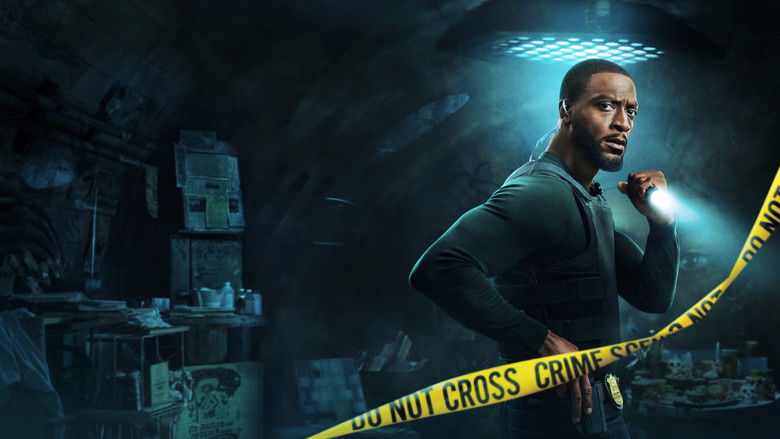
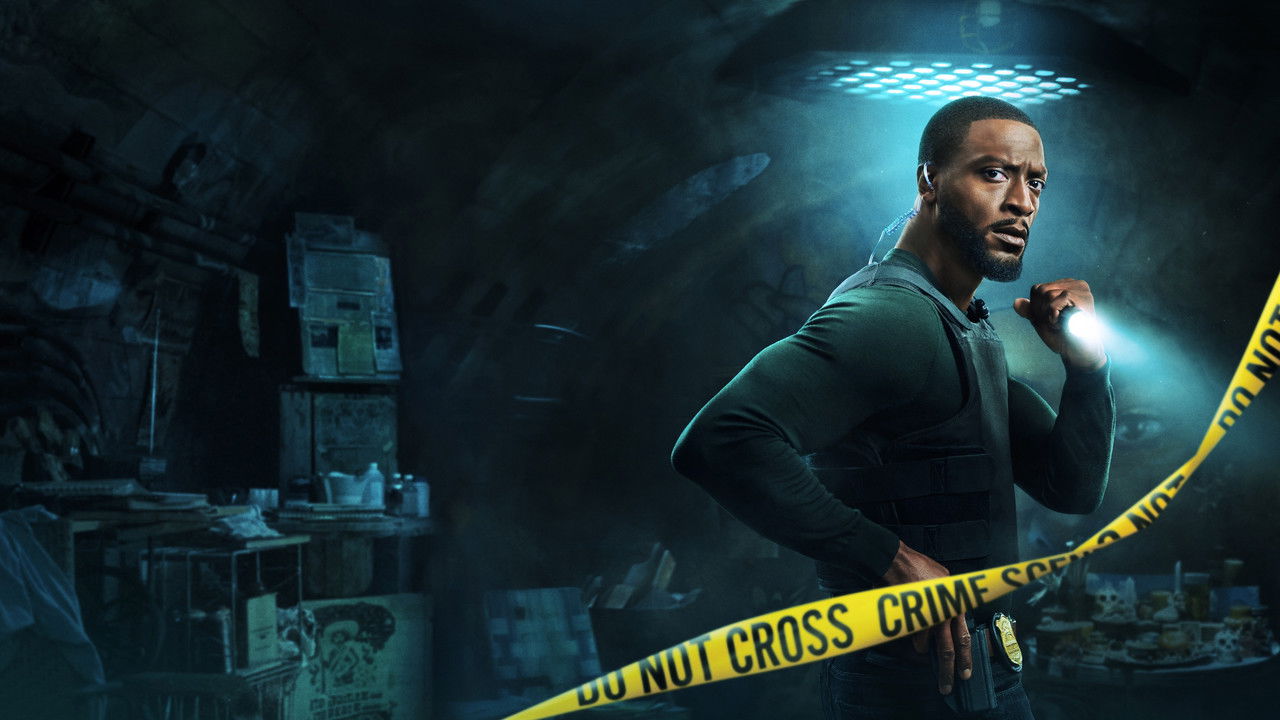
Visually, the series aims for a texture that many streaming procedurals ignore. The cinematography rejects the flat, clinically bright lighting of network television in favor of a suffocating, atmospheric density. Washington D.C. is rendered not just as a backdrop of monuments, but as a living, breathing entity of humid streets and neighborhood tensions. The camera treats Aldis Hodge’s face like a landscape, using low-key lighting to emphasize the exhaustion in his eyes. There is a specific, commendable attention to how Black skin is lit—rich, warm, and dimensional—which grounds the series in a reality that feels specific to its protagonist’s community. It’s a visual language that whispers rather than shouts, asking the audience to lean in to the darkness rather than recoil from it.
However, the series’ ambition occasionally outpaces its execution. The narrative decision to bypass a direct adaptation of Patterson’s novels in favor of an original story creates a double-edged sword. On one side, it liberates the writers to tackle modern anxieties regarding policing and Black masculinity without the baggage of 1990s source material. On the other, the plot—involving a serial killer with an aesthetic obsession—sometimes feels like a patchwork of *Hannibal* and *Luther*, lacking the terrifying singularity of a truly fresh antagonist. The villain’s intricate "tableaux" of victims are grotesque, certainly, but they teeter on the edge of the "torture porn" aesthetic that defined the mid-2000s, occasionally undermining the show's psychological pretensions.
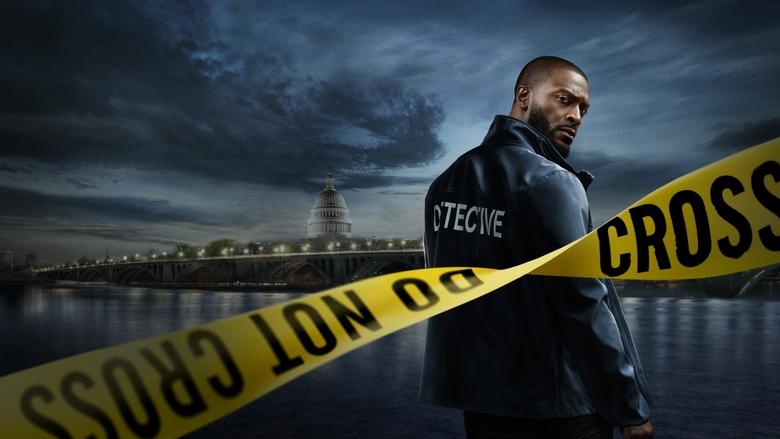
The true engine of *Cross*, and its saving grace when the procedural elements falter, is the performance of Aldis Hodge. He plays Cross not as a superhero detective, but as a man vibrating with suppressed kinetic energy. His grief for his murdered wife is not a passive sadness; it is an active, volatile thing. The scenes where he navigates single fatherhood—trying to braid his daughter's hair or explain death to his son—carry a profound emotional weight that eclipses the serial killer hunt. Hodge finds the "flaw" in the character not in his addiction or his brilliance, but in his terrifying vulnerability. He is a man who knows the human mind better than anyone, yet cannot stop his own from eating him alive.
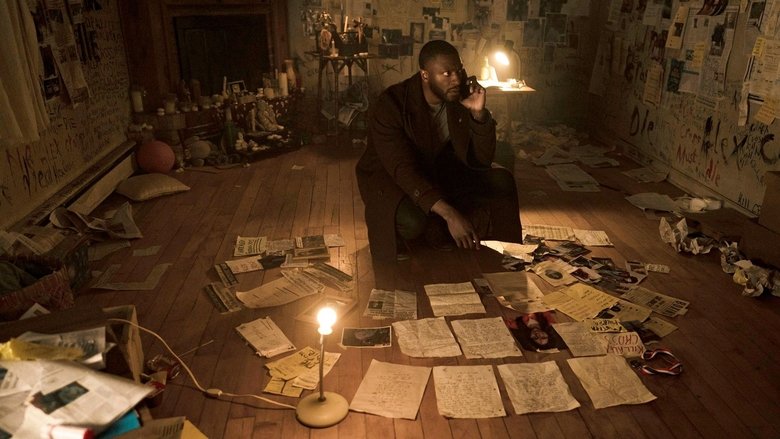
Ultimately, *Cross* succeeds because it understands that the mystery is not "who did it," but "who survives it." It is a series less interested in the mechanics of the catch than in the cost of the chase. While it sometimes stumbles under the weight of required genre cliches—the "loose cannon" cop moments, the over-complicated conspiracies—it remains a compelling study of a man trying to be a pillar for his community while his own foundation is cracking. It asserts that in a world of loud noises and violent acts, the most dangerous thing Alex Cross faces is the silence left behind by the people he couldn't save.