The Macbeth of Reality TVIn the landscape of modern television, where "reality" is often a meticulously curated synonym for "brand management," *The Traitors* (2023) arrives not as a documentary of human behavior, but as a grand, gothic melodrama. To categorize this series merely as a competition is to miss its darker, more theatrical ambition. Set against the mist-shrouded brooding of the Scottish Highlands, the show operates less like *Survivor* and more like a high-camp staging of *Lord of the Flies*, overseen by a host who treats the proceedings with the delicious malice of a Bond villain. It is a study in paranoia, a social autopsy that asks how quickly the veneer of civilization cracks when survival—and a pot of silver—is on the line.
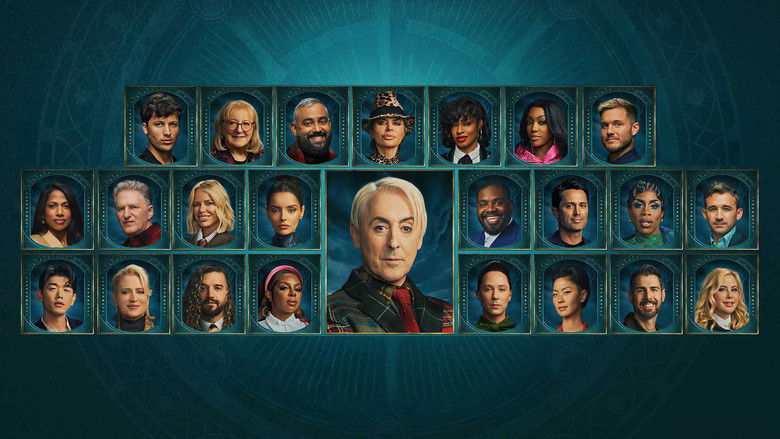
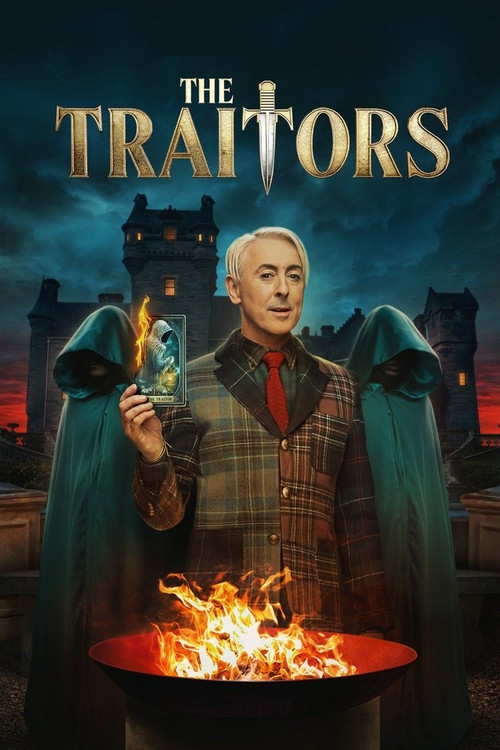
The show’s visual and tonal language is dictated entirely by its master of ceremonies, Alan Cumming. While most reality hosts strive for neutrality or faux-empathy, Cumming is a participant-observer in his own bespoke drama. Clad in tartan capes and eye-popping suits, he prowls the corridors of Ardross Castle, delivering lines with a theatrical relish that borders on Shakespearean. He is the puppet master, and the castle is his stage. The cinematography matches his energy; the camera lingers on fog-covered lochs, crackling fireplaces, and the terrified eyes of contestants at breakfast, waiting to see who has been "murdered" in the night. The aesthetic is suffocatingly rich, creating a hermetically sealed world where the only reality is the game.

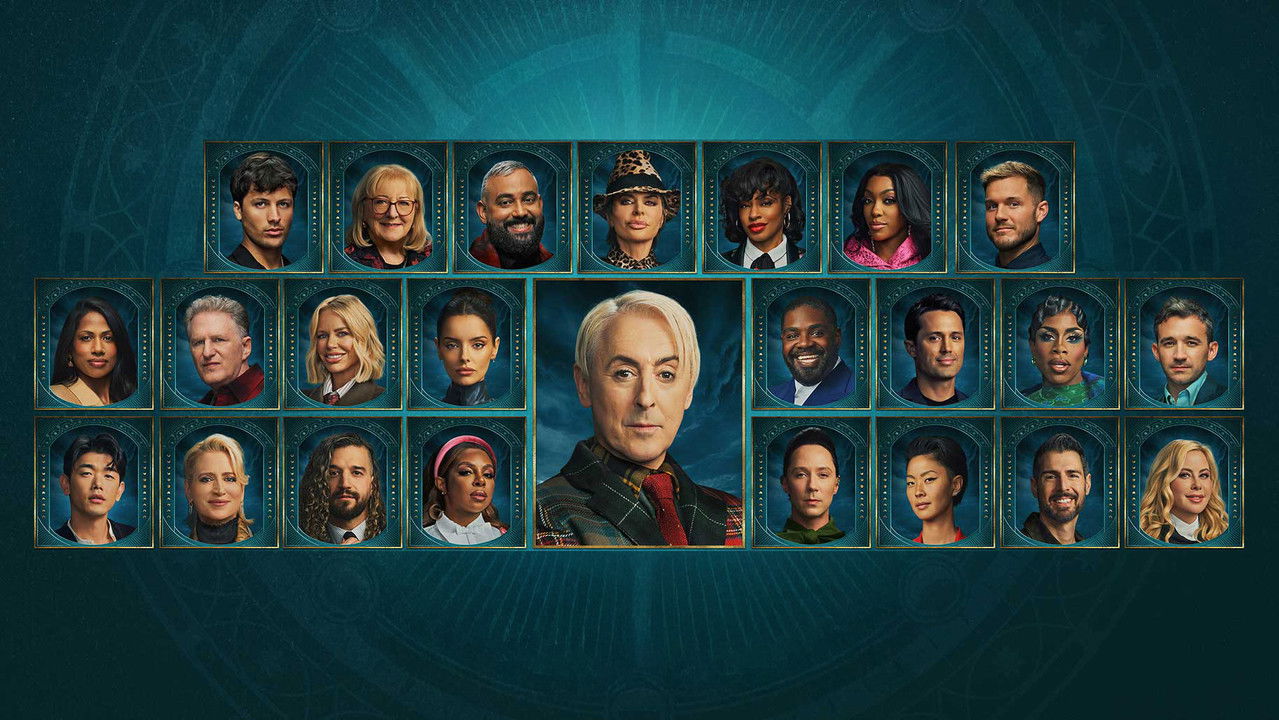
The genius of the 2023 debut season lies in its casting experiment: a volatile cocktail of reality television veterans (the "celebrities") and ordinary people (the "civilians"). This hierarchy creates a fascinating, almost tragic subtext. The reality stars—hardened by years of *Big Brother* or *Survivor*—approach deception as a professional trade. They understand that truth is a malleable asset. The civilians, conversely, often cling to the naive belief that honesty is a shield. Watching the "Faithful" tear each other apart at the Roundtable—a circular firing squad where accusations are hurled based on nothing more than a nervous twitch or a refusal to make eye contact—is a harrowing lesson in groupthink. The truth rarely matters here; only the *performance* of truth does.
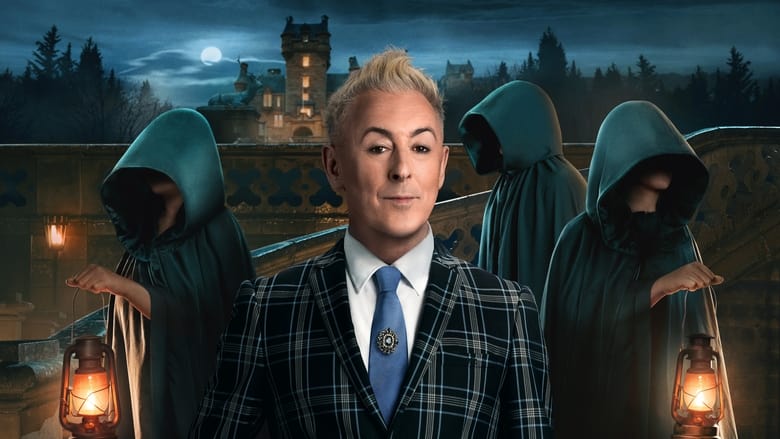
Ultimately, *The Traitors* succeeds because it exposes the fragility of human trust. The "Faithful" are not defeated by the "Traitors"; they are defeated by their own projections and insecurities. The Traitors themselves suffer a different burden—the psychological toll of sustained duplicity, wearing the mask of friendship while wielding the dagger. In this castle, empathy is a weakness and paranoia is the only rational state of mind. It is a cruel, glittering spectacle that proves, with every banishment, that everyone is capable of betrayal given the right costume and the right price.