✦ AI-generated review
The Season of Small Triumphs
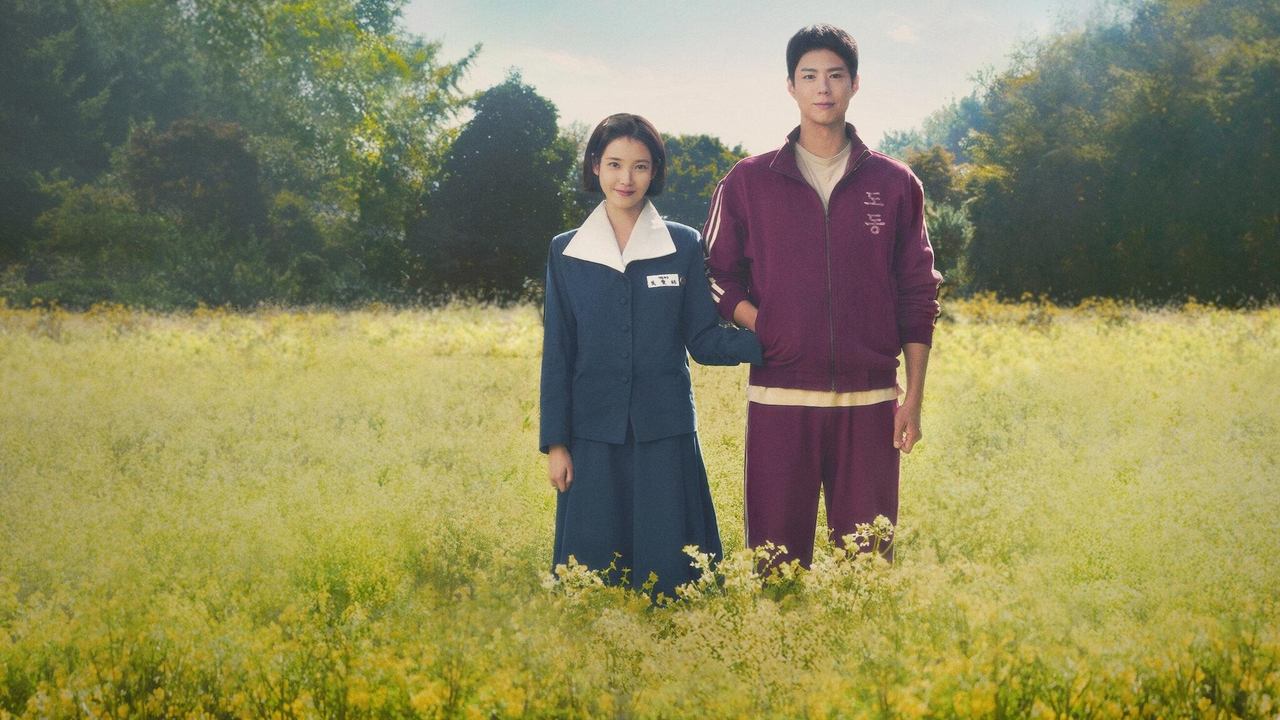
There is a specific texture to the works of director Kim Won-suk, a tactile quality that feels less like watching a narrative unfold and more like witnessing the slow erosion of a stone by water. In *My Mister*, he found the sublime in urban alienation; in *When Life Gives You Tangerines* (2025), he trades the concrete greys of Seoul for the wind-battered coasts of Jeju Island. Yet, this is no idyllic retreat. Under the guise of a sun-dappled period romance, Kim and screenwriter Lim Sang-choon have constructed a devastatingly tender monument to the architecture of endurance.
To categorize this series merely as a "romance" is to misunderstand its ambition. It is, rather, a chronicle of time’s relentless forward march and the small, stubborn acts of resistance we perform against it. The story introduces us to Ae-soon (IU) and Gwan-sik (Park Bo-gum) in the 1950s, but the narrative interest lies not in *if* they will end up together, but *how* they survive the crushing weight of their circumstances. Jeju is shot not as a travel brochure, but as a cage of breathtaking beauty. The camera lingers on the stone walls and the endless horizon, emphasizing isolation. When the "golden glow" of the cinematography touches the characters, it feels less like nostalgia and more like the feverish brightness of a memory fighting to stay relevant.
IU, an actress who has mastered the art of fragile steeliness, plays Ae-soon not as a victim of her time, but as a woman whose spirit is constantly bruising itself against the walls of patriarchy. She is the "fox"—sharp, vocal, and dreaming of poetry in a world that only demands labor. Counterbalancing her is Park Bo-gum’s Gwan-sik, the "ox." In a lesser director's hands, Gwan-sik’s unwavering devotion could have played as flat or servile. Here, it is portrayed as a radical act of defiance. In a society that demands men be conquerors, Gwan-sik chooses to be a gardener, tending to Ae-soon’s spirit with a silence that screams louder than any grand declaration.
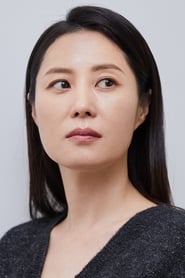
The brilliance of the series, however, blooms in its structural gamble: the passing of the torch to Moon So-ri and Park Hae-joon to play the older iterations of the couple. This is not a gimmick; it is the show’s thesis statement. By forcing us to look at the weathered faces of the older generation, the series refuses to let us stay in the comfortable fantasy of eternal youth. We see the cost of that endurance. Moon So-ri’s performance carries the ghostly afterimage of IU’s youthful fire, now tempered into a weary but unbreakable wisdom.
The English title suggests a cliché about making the best of things, but the original Jeju title, *Pokssak Sogatsuda* ("Thank you for your hard work"), hits closer to the bone. The series argues that a life does not need to be triumphant to be meaningful. The tragedy of Ae-soon never becoming the famous poet she dreamed of is softened by the realization that her life itself became the poem—complex, rhythmically uneven, and deeply felt.
In an era of cinema dominated by multiverses and global stakes, *When Life Gives You Tangerines* is a courageous retreat into the intimate. It posits that the history of a nation is not just written in treaties and wars, but in the calloused hands of a mother peeling fruit for her child, and in the quiet, steadfast love that endures long after the seasons have turned. It is a heartbreaking, life-affirming masterwork that reminds us that survival, in itself, is an art form.