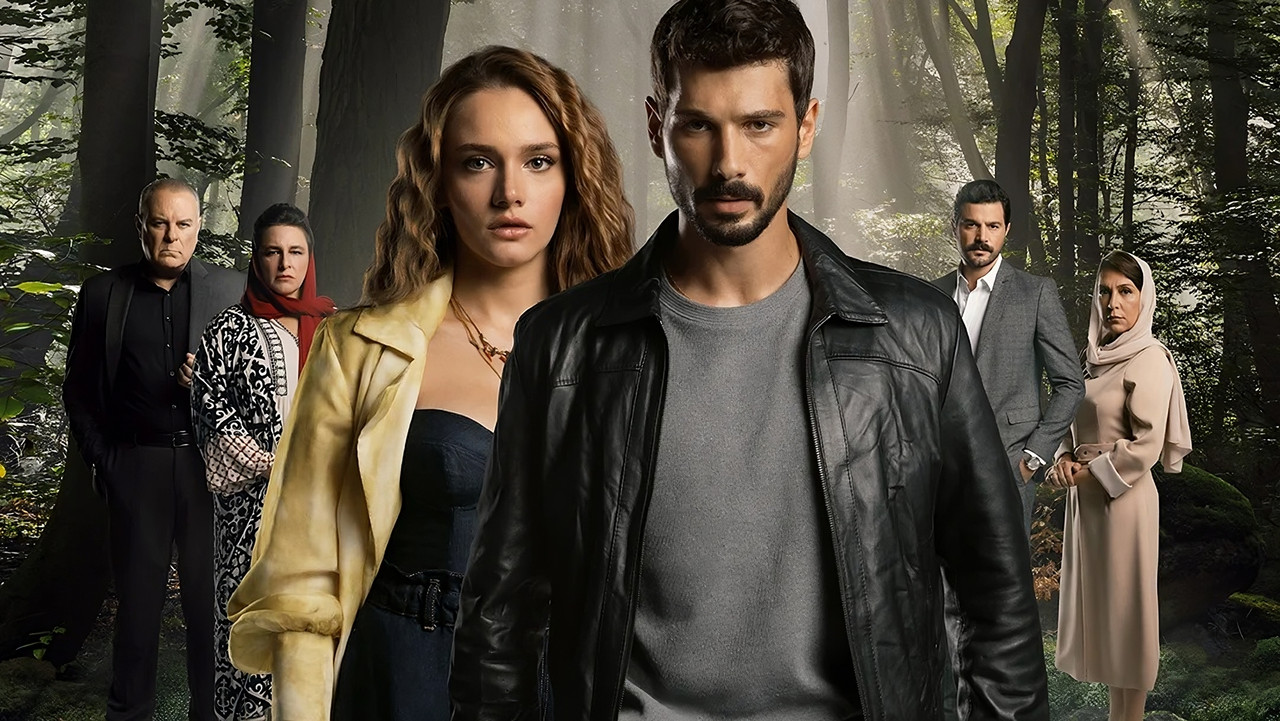
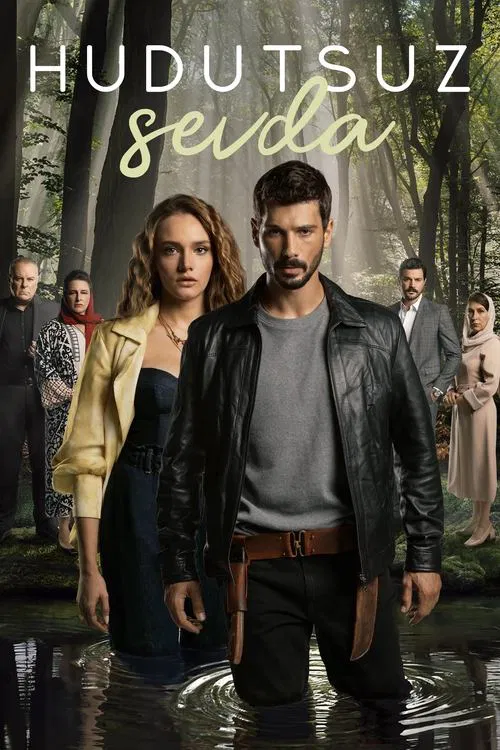
The Geometry of VengeanceIn the vast, churning ocean of Turkish television drama, where the tides of passion and retribution rise with clockwork regularity, *Boundless Love* (*Hudutsuz Sevda*) emerges as a vessel that is both familiar and surprisingly turbulent. Directed by Murat Öztürk, a filmmaker who has previously navigated the lighter waters of romantic comedy (*Love Logic Revenge*), this series abandons the glossy interiors of Istanbul penthouses for the rugged, rain-soaked topography of the Black Sea (Karadeniz) region. It is a shift not just in geography, but in gravity. Here, the landscape itself—mist-covered mountains and steep cliffs—serves as the primary antagonist, trapping its characters in a suffocating web of blood feuds and ancestral determinism.
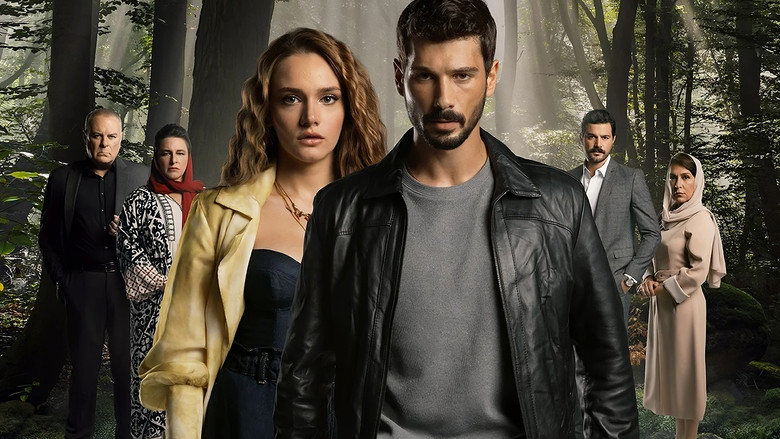
Öztürk’s visual language in *Boundless Love* is starkly observational, a departure from the hyper-stylized melodrama often associated with the genre. He employs a camera that often feels like a reluctant witness to the violence it captures. The director utilizes the verticality of the Artvin region to mirror the insurmountable social hierarchies faced by the protagonist, Halil İbrahim (Deniz Can Aktaş). When Halil returns home after twenty years of exile, seeking only peace and marriage to his childhood love, Yasemin, the cinematography emphasizes his smallness against the towering estates of the local crime lords, the Leto family. The visual metaphor is clear: in this land, geography is destiny, and escape is an illusion.
The narrative pivot—the brutal murder of Yasemin—is the series' most controversial and discussed moment, sparking genuine discourse about the depiction of violence against women on Turkish screens. However, looking past the shock value, this inciting incident serves as a grim thesis statement: innocence cannot survive in a ecosystem built on corruption. The subsequent transformation of Halil from a man of peace to an angel of vengeance is not portrayed as a triumph, but as a tragedy. Aktaş plays him not with the swagger of an action hero, but with the hollowed-out exhaustion of a man who knows he is digging two graves.

Yet, the series finds its true pulse in the unexpected alliance between Halil and Zeynep Leto (Miray Daner). In a genre that frequently relies on the "enemies-to-lovers" trope, their dynamic feels refreshingly cerebral. Zeynep is not merely a prize to be won or a damsel to be saved; she is a tactician trapped in a patriarchal cage, recognizing in Halil the only weapon capable of dismantling her family's toxic empire. Daner brings a steeliness to the role that counterbalances Aktaş’s simmering rage. Their scenes together are less about romantic platitudes and more about the negotiation of survival. They are two shipwrecked souls realizing they are clinging to the same piece of driftwood.
The series is not without its flaws; the pacing occasionally succumbs to the bloating required of the 120-minute Turkish serial format, and the villainy of the Leto patriarchs can veer into caricature. However, the show distinguishes itself by refusing to glorify the "honor" in honor killings. The "conversation" around the show has rightly focused on its brutal realism, but its quieter achievement is its deconstruction of the macho archetype. The violence here is ugly, abrupt, and devoid of slow-motion glorification.

Ultimately, *Boundless Love* is a study in the entrapment of heritage. It asks a difficult question: Can a person ever truly return home, or does the very act of returning condemn them to repeat the sins of their fathers? Öztürk suggests that while love may be boundless, the chains of history are incredibly short. For Halil İbrahim, the tragedy is not that he lost his way, but that he found it exactly where he started—in the center of a war he never wanted to fight.