✦ AI-generated review
The Architecture of Ruin
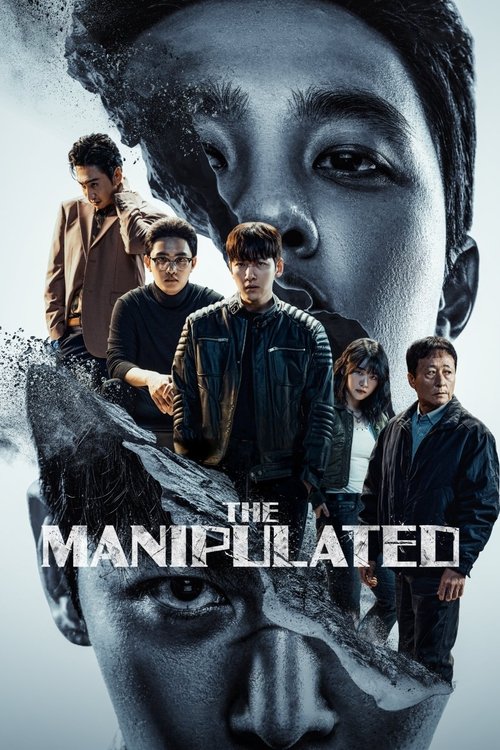
In the saturated landscape of South Korean revenge thrillers, there is a tendency to mistake brutality for profundity. We have seen countless iterations of the "wronged man" trope—figures broken by the system who rebuild themselves as instruments of violence. Yet, *The Manipulated* (known domestically as *Sculptured City*) distinguishes itself not by the volume of its bloodshed, but by the chilling precision of its design. Re-teaming writer Oh Sang-ho with actor Ji Chang-wook nearly a decade after their film *Fabricated City* (2017), this 2025 series feels less like a sequel and more like a mature, darkened reflection of that earlier concept. Where the film was a kinetic, techno-thriller joyride, this series is a slow-motion car crash of the soul, examining what happens when a human life is treated not as a biography, but as clay to be reshaped by a malicious artist.
The series creates a visual language of suffocating symmetry. Directors Park Shin-woo and Kim Chang-ju utilize a sterile, high-contrast palette that turns the bustling streets of Seoul into a chessboard. The camera often lingers on the hands of An Yo-han (played with terrifying restraint by Doh Kyung-soo), the show’s antagonist. Yo-han does not merely frame people for crimes; he "sculpts" tragic narratives for them, treating their destruction with the detached obsession of a curator. This directorial choice elevates the genre conventions; the screen becomes a canvas where order and chaos wage a silent war. The prison sequences, particularly the gladiatorial survival game in the fourth episode, are filmed with a disorienting mix of claustrophobia and grandiosity, suggesting that for the protagonist, hell is not a place, but a carefully curated experience.
At the narrative's fractured heart lies the duality between the Sculptor and his Masterpiece. Ji Chang-wook, as the wrongfully imprisoned Tae-jung, delivers a performance that transcends his action-star pedigree. We have seen Ji play the action hero before, but here, he strips away the cool veneer to reveal a raw, trembling desperation. He is not instantly capable; he is pathetic, broken, and terrifyingly human. His transformation is not a montage of training sequences, but a degradation of the spirit.
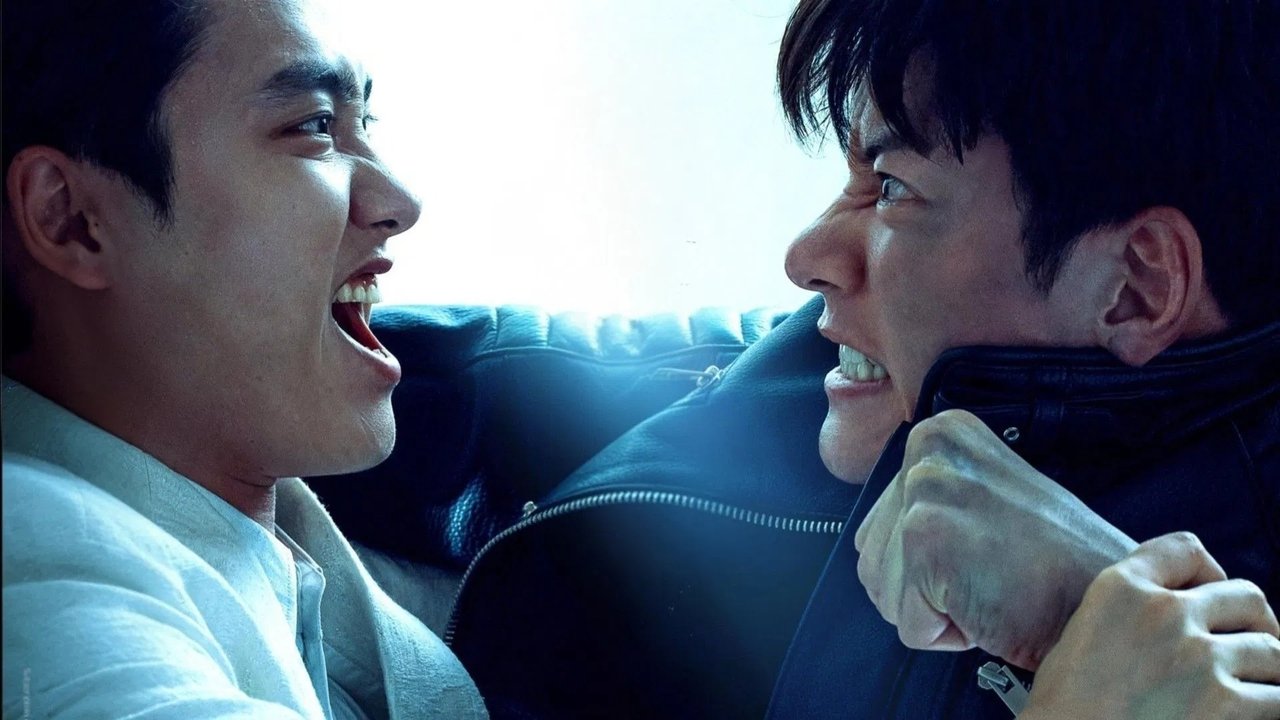
However, the series’ gravitational pull belongs to Doh Kyung-soo. Casting the actor—known for his gentle, stoic roles—as the architect of misery was a stroke of brilliance. His Yo-han is devoid of the mustache-twirling theatrics common to the genre. He operates with a soft-spoken, corporate sociopathy that mirrors the modern world’s invisible systems of control. When the two finally collide, it is not just a clash of fists, but a confrontation between chaotic humanity and cold, unfeeling algorithm.
If the series falters, it is in its ambition to stretch a high-concept premise across twelve hours. There are moments in the middle chapters where the narrative tension slackens, and the script relies too heavily on the procedural mechanics of the "revenge team" rather than the psychological horror of the premise. The transition from the spiritual agony of the early episodes to the team-based heist dynamics can feel jarring, a concession to the demands of the streaming format.
Ultimately, *The Manipulated* is a harrowing inquiry into agency. It asks uncomfortable questions about how much of our lives are truly our own, and how easily the "truth" can be edited by those holding the pen. It suggests that in a world governed by manipulation, the only true act of rebellion is to refuse to be the character they wrote you to be. It is a stylish, often cruel piece of television that proves the most dangerous prison is the one built without bars.