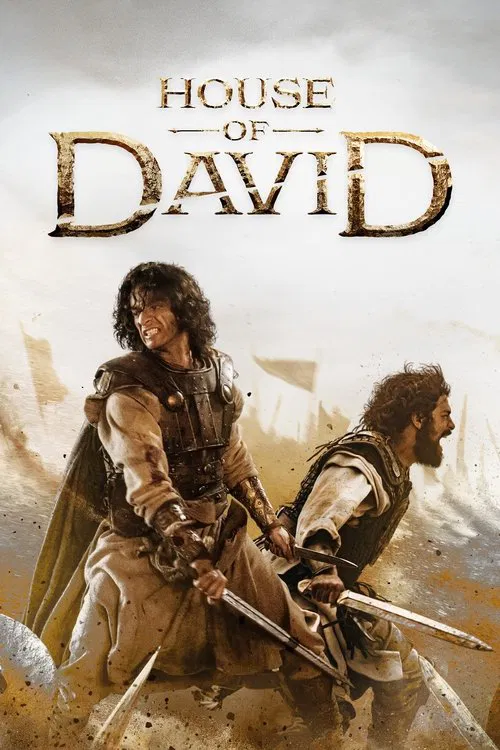
The Crown of Dust and Shepherd’s SongIn the modern landscape of streaming, where algorithms often favor the secular and the sensational, the arrival of *House of David* on Amazon Prime feels like an act of quiet rebellion. It is not merely another entry in the burgeoning "faith-based renaissance"—a movement often rightfully criticized for prioritizing sermonizing over storytelling—but a legitimate attempt to reclaim the biblical epic from the dusty corners of Sunday School flannelgraphs. Created by Jon Erwin, this series operates less like a devotional and more like a political tragedy, echoing the grandeur of *Game of Thrones* while stripping away its cynicism. It posits that the ancient world was not a stage for stained-glass saints, but a brutal, visceral arena where divine anointing felt less like a blessing and more like a target on one’s back.

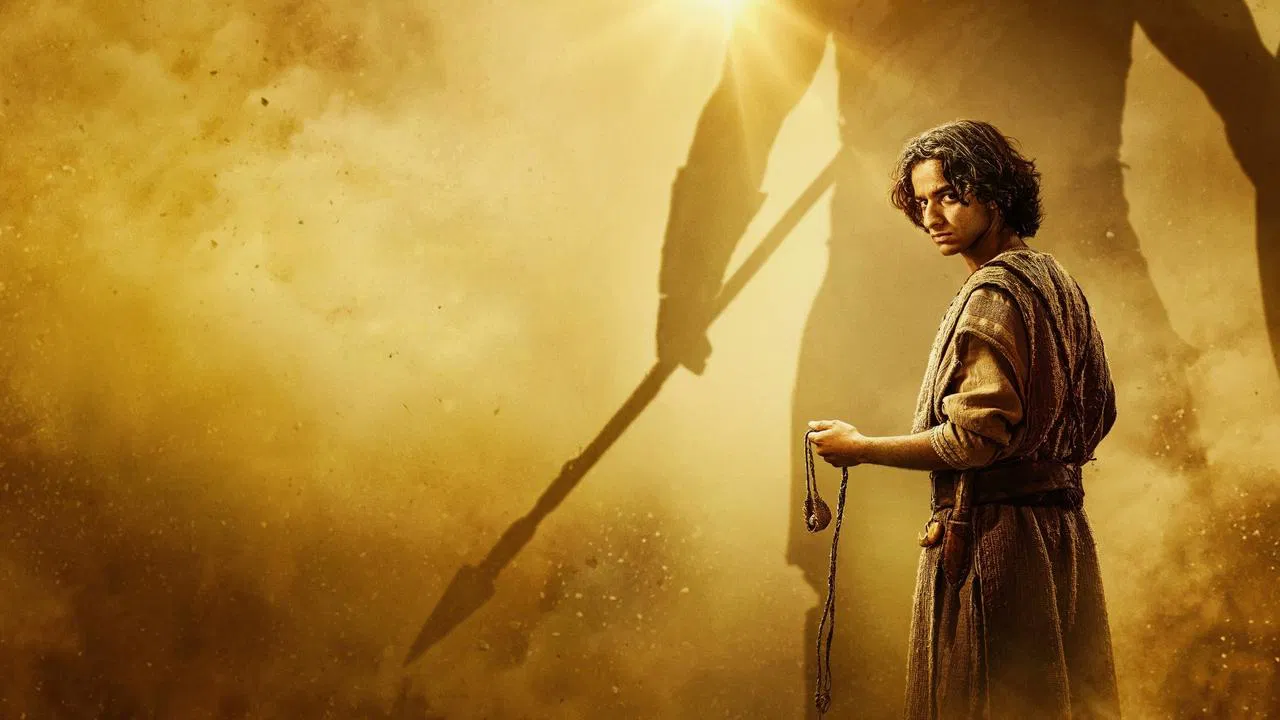
Visually, the series eschews the polished, golden-hour glow typical of the genre for something far more tactile and gritty. The cinematography favors the harsh textures of the Levant—the dust of the sheepfolds, the cold stone of Saul’s court, and the blood-soaked earth of the Valley of Elah. There is a weight to the violence here; when a spear is thrown, we feel the heft of the iron. The camera lingers on the grime under fingernails and the sweat on a brow, grounding the supernatural elements in an undeniable physical reality. The score, sweeping yet mournful, underscores the central tragedy: that power, even when divinely ordained, is a crushing burden. This is not a world of ethereal halos, but of flickering torchlight fighting against an encroaching darkness.

At its heart, *House of David* is a study of duality, juxtaposing the ascent of one king with the agonizing psychological disintegration of another. While newcomer Michael Iskander brings a refreshing, wide-eyed vulnerability to David—playing him not as a warrior-poet fully formed, but as an outcast teenager discovering his worth—the series truly belongs to Ali Suliman’s King Saul. Suliman portrays Saul not as a one-note villain, but as a man hollowed out by insecurity and the silence of God. His performance is a masterclass in paranoia; we watch a man who knows he is losing his grip on his legacy, flailing violently as the sand runs through his fingers. The dynamic between these two figures—the shepherd who does not yet want power and the king who cannot bear to lose it—creates a tension that is as much about human nature as it is about theology.

Ultimately, *House of David* succeeds because it dares to treat its source material as history rather than myth. It invites the audience to witness the messy, political, and often bloody process of kingdom-building. By focusing on the human cost of divine destiny, the series transcends its genre constraints. It suggests that the path to greatness is rarely a straight line, but a winding road through humiliation and exile. In an era of deconstruction, this show offers a reconstruction of the hero's journey—one that acknowledges the flaws of the vessel while marveling at the magnitude of the calling. It is a compelling, rugged piece of television that proves ancient stories, when stripped of their varnish, still possess the power to bleed.