✦ AI-generated review
The Fluidity of Nostalgia
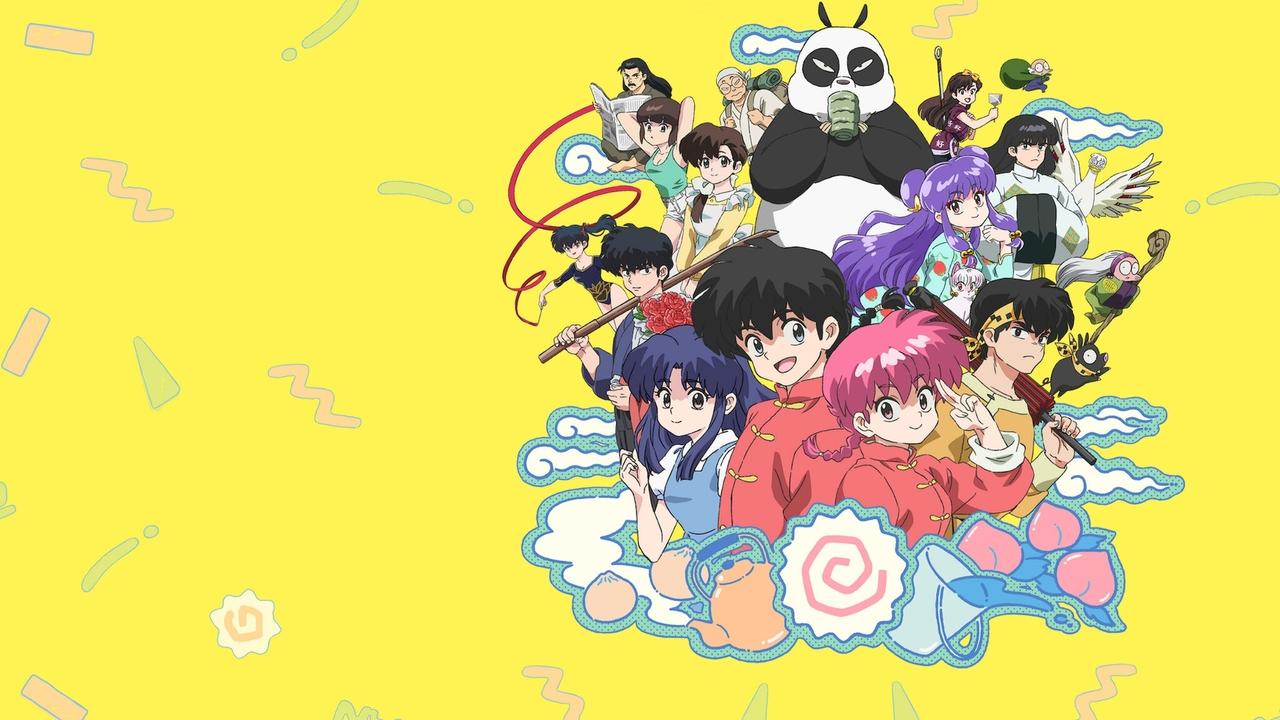
In an era where the "reboot" often feels like a cynical necromancy—raising dead intellectual property only to strip it of its soul—the 2024 revival of *Ranma 1/2* arrives as a startling, candy-colored anomaly. Produced by MAPPA, a studio celebrated for the blood-slicked nihilism of *Chainsaw Man* and *Jujutsu Kaisen*, this new iteration of Rumiko Takahashi’s martial arts farce is neither a gritty deconstruction nor a hollow cash grab. It is, instead, a preservation project executed with such exuberant affection that it feels less like a remake and more like a restoration of a fading memory.
The narrative premise remains the delightful, chaotic ur-text of the modern harem genre: Ranma Saotome, a teenage martial artist cursed to transform into a girl when splashed with cold water, is betrothed to Akane Tendo, a tomboy who loathes boys. But where the 1989 adaptation meandered through years of filler, this new series possesses a narrative economy that borders on the rhythmic. Under the direction of Konosuke Uda, the story moves with the snap of a well-landed roundhouse kick, stripping away the bloat to reveal the screwball comedy heart beating beneath.
Visually, the film (or rather, this cinematic quality series) makes a fascinating choice to reject the hyper-sharp, jagged aesthetic dominant in modern anime. instead, the character designs are softer, rounder, and bathed in a pastel vibrancy that evokes the late 80s without mimicking its technical limitations. There is a specific scene in the fourth episode—a playful homage to *Street Fighter* aesthetics—where the animation shifts into a mixed-media celebration of the era that birthed it. It is a moment of pure creative joy, signaling that the animators are not just employees fulfilling a contract, but fans playing in a beloved sandbox.
However, the true "special effect" of this 2024 iteration is not visual, but auditory. In a move that defies industry standard, the production brought back nearly the entire original voice cast from thirty years ago. Hearing Kappei Yamaguchi (Ranma), Megumi Hayashibara (Female Ranma), and Noriko Hidaka (Akane) inhabit these teenage roles again creates a surreal, meta-textual layer of warmth. Their performances have not aged; rather, they have deepened. The legendary bickering between Ranma and Akane feels less like the shrill antagonism of the past and more like a practiced dance of intimacy. The violence is still there, but the *venom* is gone, replaced by a sweetness that suggests the actors, much like the audience, are looking back at these characters with forgiveness and love.
The central metaphor of *Ranma 1/2* has always been the water—the transformative element that changes bodies, fates, and relationships. In this revival, the water serves a dual purpose: it represents the fluidity of identity, yes, but also the fluidity of time. MAPPA has managed to capture lightning in a bottle by understanding that *Ranma 1/2* didn’t need to be "fixed" or "modernized" for a cynical new world. It simply needed to be seen clearly again, washed clean of the dust, vibrant and alive. This is not just a return; it is a reminder that some jokes, like true love and cursed springs, never really run dry.