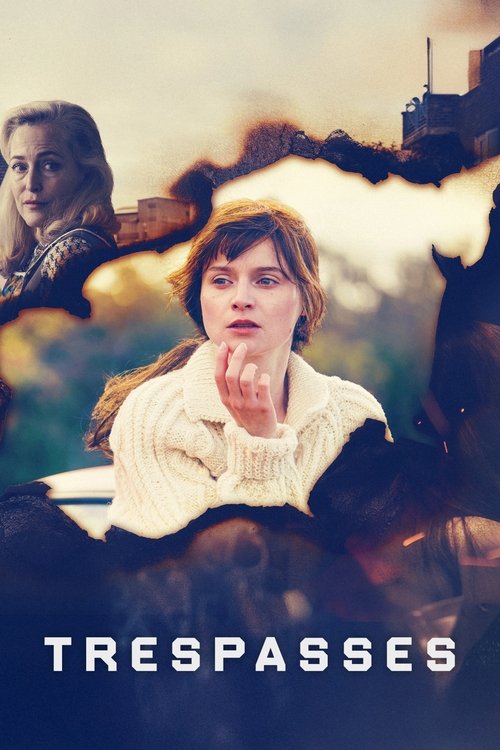
The Geography of whispersTo live in Northern Ireland during the 1970s was to master a specific, suffocating dialect: the language of the unspoken. It was a place where a surname, a school uniform, or a wrong turn could serve as a death sentence. In *Trespasses* (2025), director Dawn Shadforth does not merely recreate the aesthetic of the Troubles; she excavates the psychological toll of living in a society where intimacy is a form of treason. Adapted from Louise Kennedy’s acclaimed novel, this four-part limited series moves beyond the typical bomb-blast procedural to explore a quieter, perhaps more devastating tragedy: the way political violence seeps into the domestic sphere, turning love into a liability.
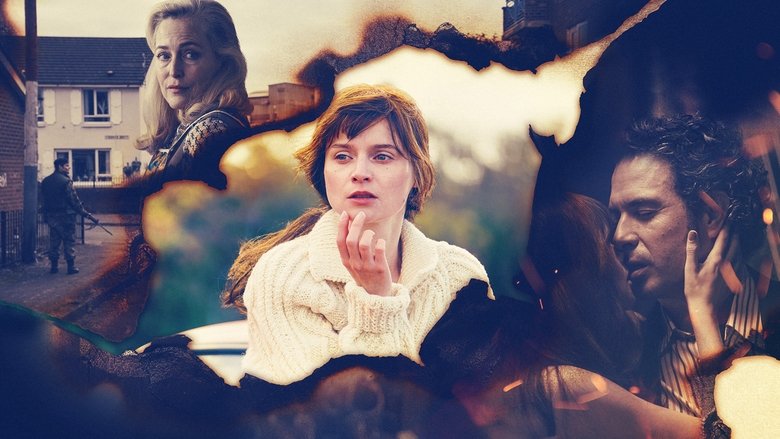
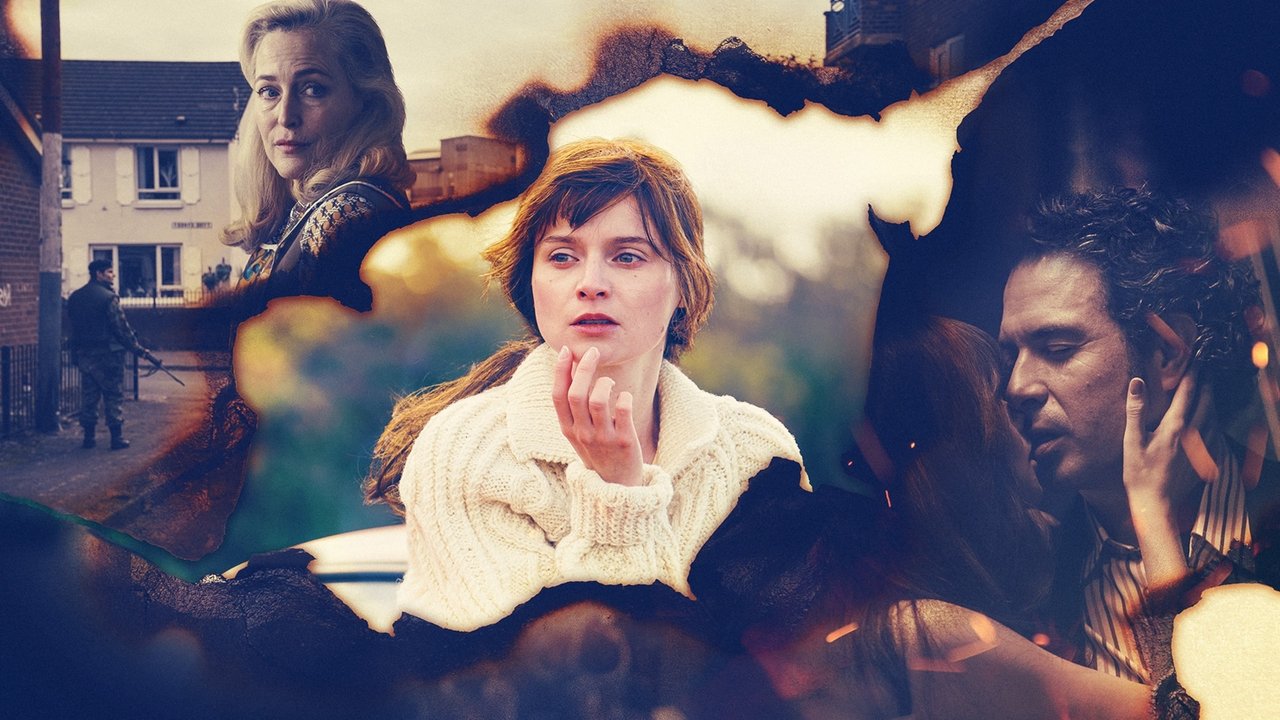
Shadforth’s visual language is one of claustrophobic beauty. Working with a palette of melancholic browns, bruised oranges, and perpetually grey skies, she creates a world that feels trapped in an eternal, damp autumn. The camera often lingers on the spaces between characters—the hesitant glances in a pub, the silence in a car—emphasizing the "self-policing" that defines their existence. Unlike the frenetic energy of *Derry Girls* or the documentary realism of *Bloody Sunday*, *Trespasses* operates in the shadows. The violence is often peripheral—a news report in the background, a distant siren—but the *threat* of violence is the oxygen these characters breathe. It creates a tension that is less about immediate peril and more about the exhaustion of constant vigilance.
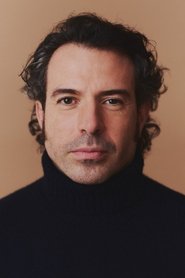
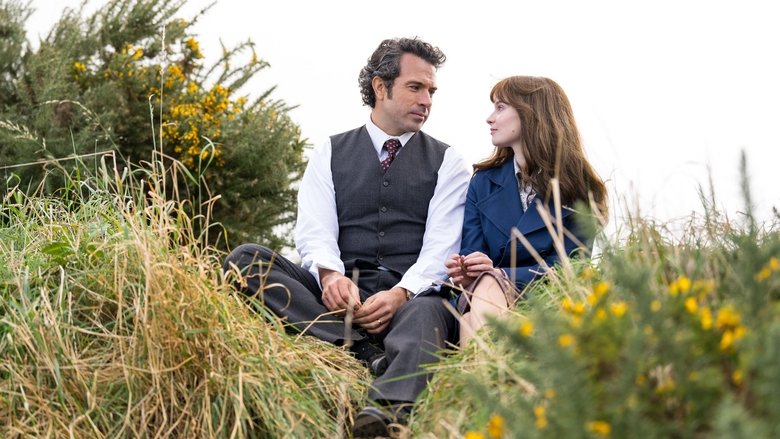
At the center of this storm is Cushla Lavery, played with luminous vulnerability by Lola Petticrew. A Catholic schoolteacher who moonlights in her family’s pub, Cushla is one of the "in-betweens"—citizens trying to navigate a life that refuses to fit neatly into sectarian boxes. Her affair with Michael Agnew (Tom Cullen), an older, married Protestant barrister who defends IRA suspects, is the catalyst for the drama. But to call this a "forbidden romance" feels like a reduction. Their relationship is a desperate grasp for normalcy in a world gone mad. The chemistry between Petticrew and Cullen is palpable, grounded not just in desire but in a shared, frantic need to escape the grim determinism of their surroundings.
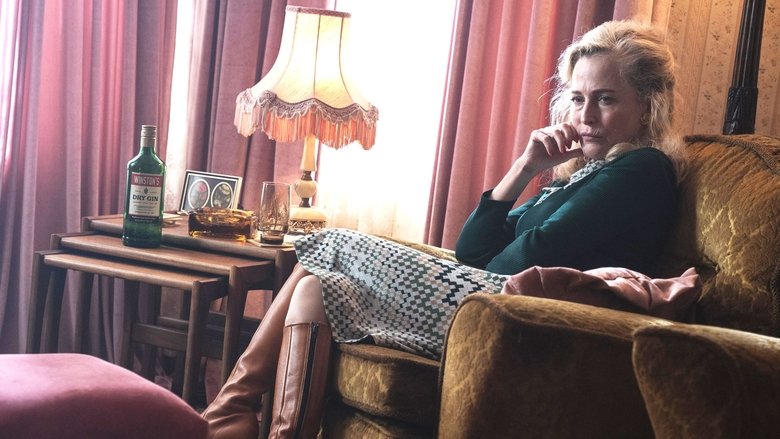
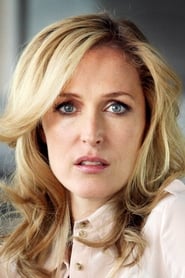
However, the series’ secret weapon is Gillian Anderson as Gina, Cushla’s mother. Stripped of her usual polish, Anderson delivers a performance of jagged, bitter brilliance. Gina is a "glorious wreck"—a widow drowning her grief in gin and acerbic wit. She is the ghost of Christmas Future for Cushla, a woman hollowed out by the very environment her daughter is trying to survive. Anderson avoids the trap of making Gina a mere obstacle; instead, she plays her as a walking open wound, a woman who knows that in this place, hope is the most dangerous thing you can possess. The scenes between mother and daughter are electric, crackling with a lifetime of unspoken resentments and fierce, terrifying love.
Ultimately, *Trespasses* is a story about the cost of transgression. The title refers not just to religious sin, but to the act of crossing lines—social, political, and emotional. By the time the series reaches its heart-wrenching conclusion, Shadforth has made her point clear: in a divided world, the simple act of loving someone "other" is a revolutionary, and often fatal, act. It is a profound, beautifully crafted piece of television that reminds us that while borders are drawn on maps, the real devastation happens in the heart. This is not just a period drama; it is a mirror held up to any society where "us" and "them" becomes the only grammar that matters.