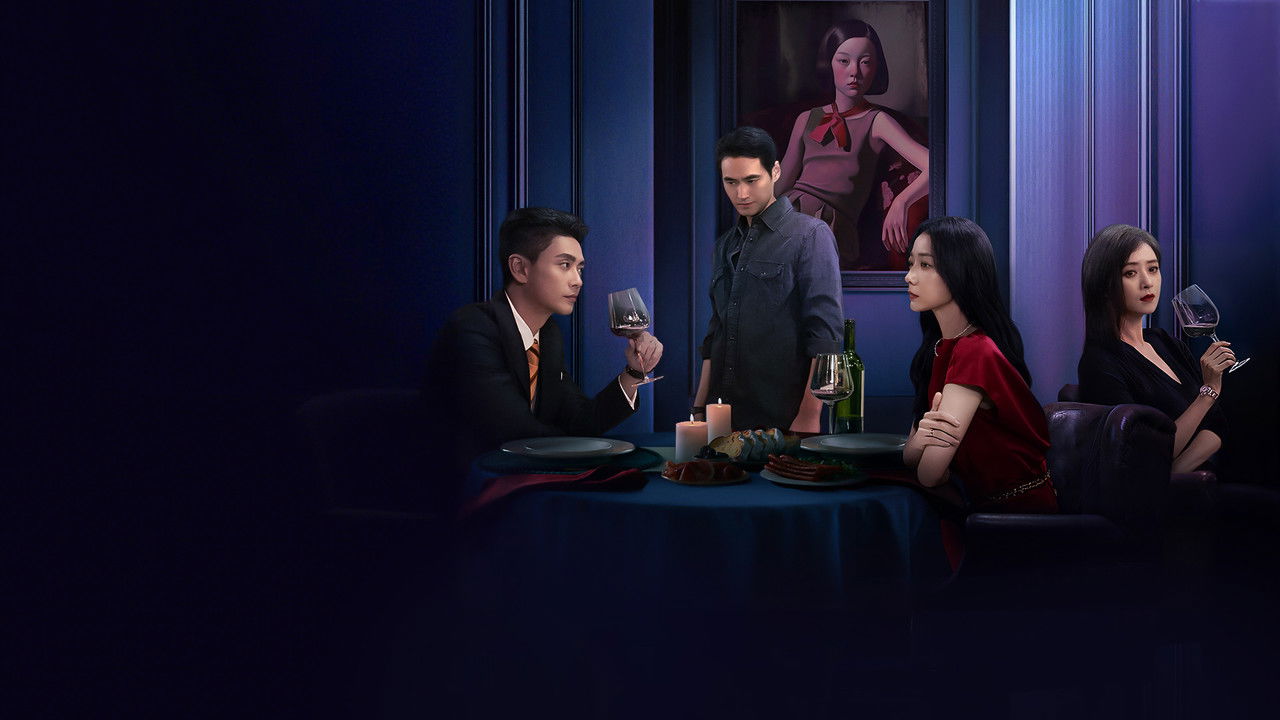
The Redemption of ShadowsIn the sprawling landscape of modern Chinese television, often dominated by sprawling 40-episode costume epics or saccharine romances, *My Dearest Stranger* arrives as a compact, razor-sharp anomaly. Directed by Taiwanese filmmaker Lin Yu-Hsien (best known for the energetic *Jump! Boys*), this 13-episode series functions less like a soap opera and more like a prolonged, atmospheric noir film. It is a brooding meditation on the weight of the past, suggesting that the most terrifying ghosts aren't supernatural, but the secrets we keep to protect the ones we think we love.
Lin Yu-Hsien brings a distinctly cinematic vocabulary to the small screen. Where standard procedurals bathe their sets in flat, clinical lighting, Lin treats the cityscape as an active participant in the mystery. The camera prowls through rain-slicked alleyways and dimly lit interrogation rooms with a voyeuristic intensity that mirrors the show’s central theme: the act of watching. The visual language is suffocatingly intimate, often trapping the characters in frames within frames—doorways, mirrors, and windows—emphasizing their isolation even when they are ostensibly together.
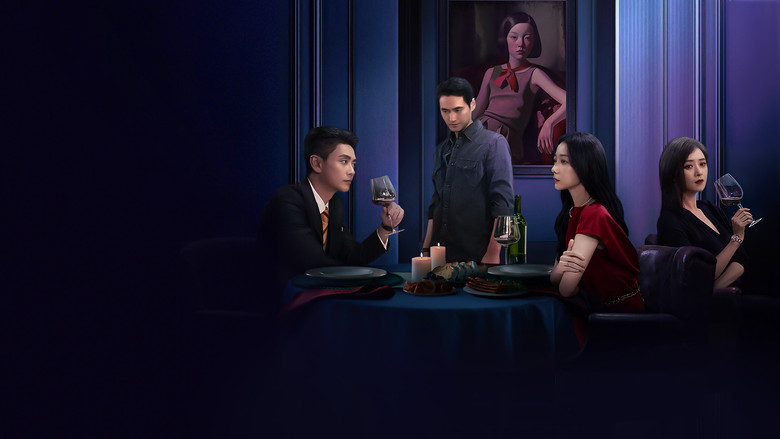
The narrative architecture rests on a dual foundation: a present-day crime and a four-year-old cold case, inextricably linked by the enigmatic witness, Yu Xiao (played with haunting restraint by Wang Luodan). This is not merely a "whodunit"; it is a "whydunit" that explores the corrosive nature of silence. The Chinese title, which translates roughly to *The Redemption of a Secret Admirer*, offers a crucial key to decoding the text. This is a story about the gaze—how we look at others, and how we fail to see the truth beneath the surface.
The performance of Yuan Hong as Detective Song Cheng provides the show’s moral anchor, but it is his chemistry with Wang Luodan that elevates the material. Their interactions in the investigation room are masterclasses in subtext. In one pivotal sequence, the dialogue is sparse, reduced to procedural necessities, yet the camera lingers on micro-expressions—a twitch of the hand, an averted gaze. The director allows the silence to stretch to an uncomfortable degree, forcing the audience to lean in, to become detectives themselves, searching for the emotional truth that words fail to capture.
However, the series is not without its stumbling blocks. At times, the "movie-level quality" feels slightly self-conscious, with the aesthetic ambition occasionally outpacing the narrative momentum. The complexity of the "secret admirer" subplot risks veering into melodrama, threatening to undermine the gritty realism established in the opening episodes. Yet, Lin always manages to pull back from the brink, grounding the high drama in the gritty reality of police work and the exhaustion of his characters.
Ultimately, *My Dearest Stranger* succeeds because it refuses to treat its mystery as a puzzle to be solved and discarded. Instead, it treats the crime as a tragedy that permanently alters the landscape of the survivors' lives. It stands as a testament to the evolving maturity of the suspense genre in Asian media, proving that a story doesn't need 50 episodes to leave a lasting scar. It suggests that while the truth may set you free, it will almost certainly break your heart first.