The Architecture of SolitudeIn the vast, bustling skyline of modern Shanghai, silence is a luxury commodity. It is this silence that Yu Yu, the protagonist of Qie Guowei’s *Why is He Still Single?* (2025), hoards like a dragon guarding gold. A remake of the celebrated 2006 Japanese drama *Kekkon Dekinai Otoko* (The Man Who Can’t Marry), this series could have easily been another derivative rom-com about taming a bachelor. Instead, it evolves into a thoughtful meditation on the geometry of middle-aged loneliness. It asks not just why a man is single, but whether the spaces we build to protect ourselves eventually become the walls that imprison us.

Director Qie Guowei establishes a visual language of precision that mirrors Yu Yu’s internal state. Yu, played with a prickly, neurotic brilliance by Wallace Huo, is an interior designer, and his world is composed of clean lines, right angles, and sterile surfaces. The camera often frames him in isolation, dwarfed by the immaculate, empty rooms of his own creation. Unlike the warm, chaotic clutter of typical romance dramas, the cinematography here is cool and detached. We watch Yu conduct imaginary symphonies in his living room—a motif of control and self-sufficiency that is both hilarious and vaguely tragic. He is the conductor of a one-man orchestra, terrified that a second instrument might ruin the harmony.
The "heart" of the series beats in the friction between Yu Yu’s rigid algorithms and the organic messiness of Dr. Gu Ye Jia (Zhu Zhu). Their relationship is not a spark but a slow erosion. Zhu Zhu delivers a performance of grounded warmth that acts as the perfect foil to Huo’s sharp edges. She doesn't try to "fix" him in the way Hollywood tropes demand; rather, she forces him to acknowledge the blind spots in his perfectly designed life.

A pivotal element of the series is its refusal to villainize the choice of solitude. The discourse surrounding the show often centers on the "marriage pressure" prevalent in East Asian societies, yet Qie Guowei treats Yu’s bachelorhood with a surprising amount of respect. The conflict isn't that Yu loves being alone—it’s that he has forgotten how to be with others without losing himself. The "conversation" the series engages in is one of compatibility versus compromise. When Yu creates a design, he refuses to lower his standards; the tragedy is that he applies this same unyielding metric to human connection.
However, the narrative does stumble under the weight of its own restraint. At times, the episodic nature of the conflicts—often revolving around misunderstandings that could be solved with a single sentence—feels archaic in 2025. While the "slow burn" is intentional, there are moments where the pacing drags, mistaking repetition for character development. The subplot involving the younger neighbor feels like a concessions to genre conventions, slightly diluting the more mature, acerbic tone established by the leads.
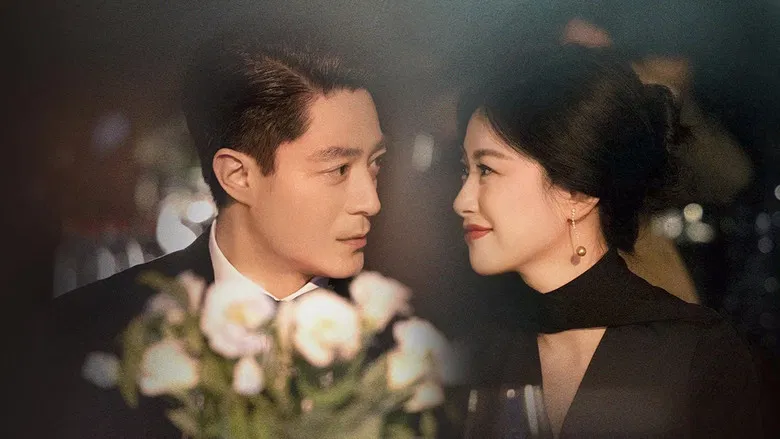
Ultimately, *Why is He Still Single?* succeeds because it dares to suggest that love is not about finding a missing piece, but about making room in a house that is already full. Wallace Huo’s return to the screen serves as a reminder of his ability to make the unlikable deeply human. He captures the specific vulnerability of a man who realizes that while he has built a perfect sanctuary, he has forgotten to install a door. In a culture obsessed with the "happily ever after" of wedding bells, this series offers a quieter, more realistic verdict: happiness is simply the bravery to let someone else rearrange your furniture.