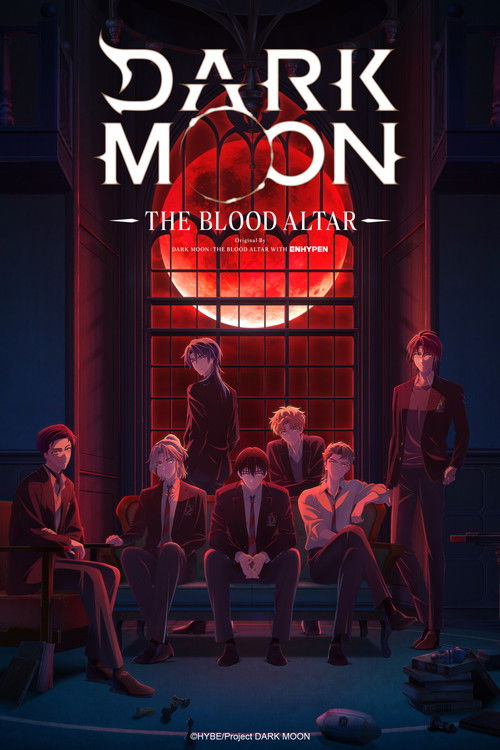
The Idol as Monster: Beauty and Dread in RiverfieldThe vampire mythos has always been a shapeshifter, mutating from the feral decay of *Nosferatu* to the aristocratic ennui of Rice, and finally to the sparkly romanticism of the mid-2000s. In *Dark Moon: The Blood Altar*, which premiered this month amidst a heavy fog of anticipation, we witness the next evolutionary step: the vampire as the ultimate celebrity. While the series’ pedigree—a collaboration with HYBE and the K-pop septet ENHYPEN—might suggest a cynical exercise in brand synergy, the result is something far more interesting. Under the direction of Studio TROYCA, this adaptation transcends its commercial origins to offer a lush, suffocatingly beautiful meditation on the burden of perfection and the violence of secrets.
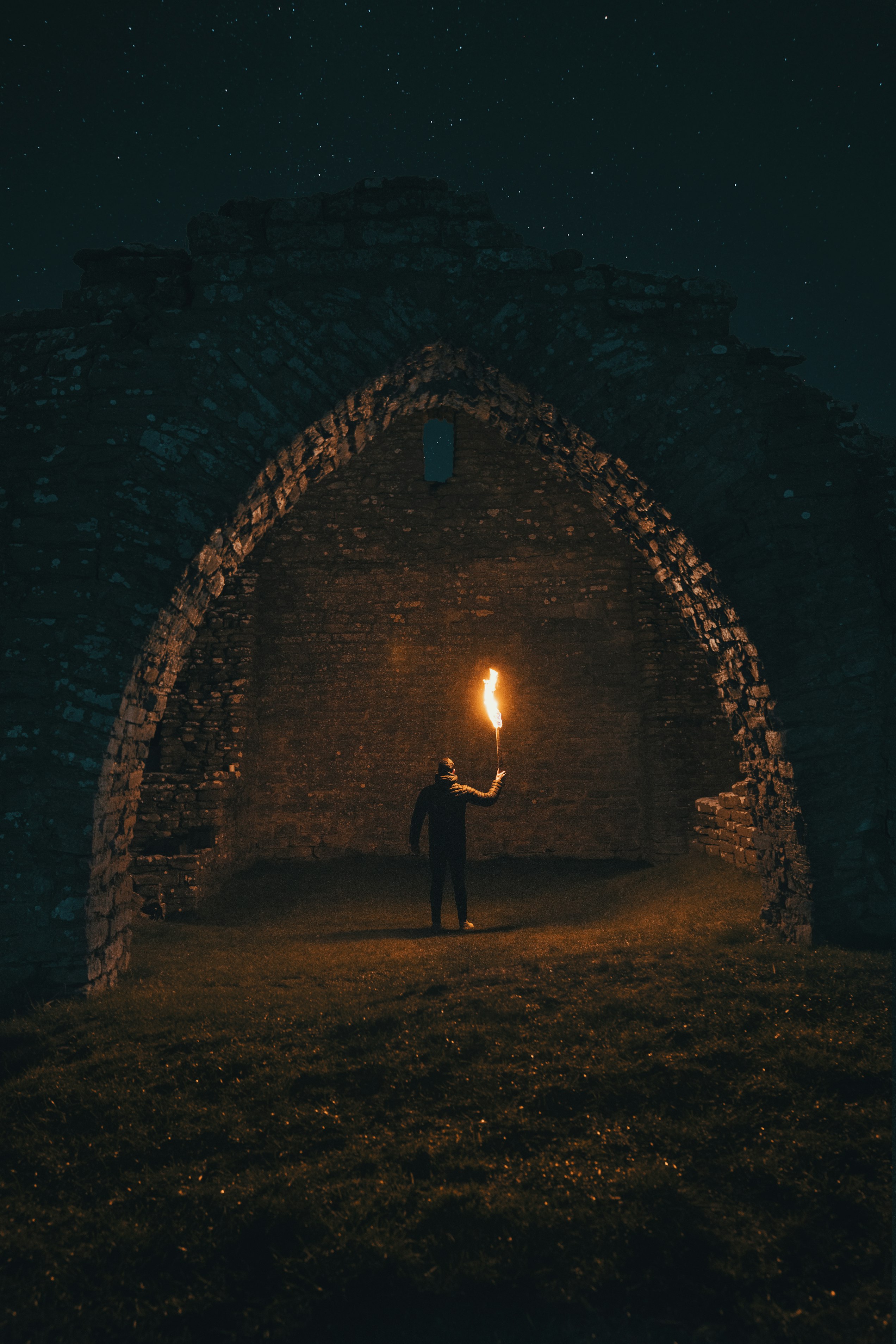
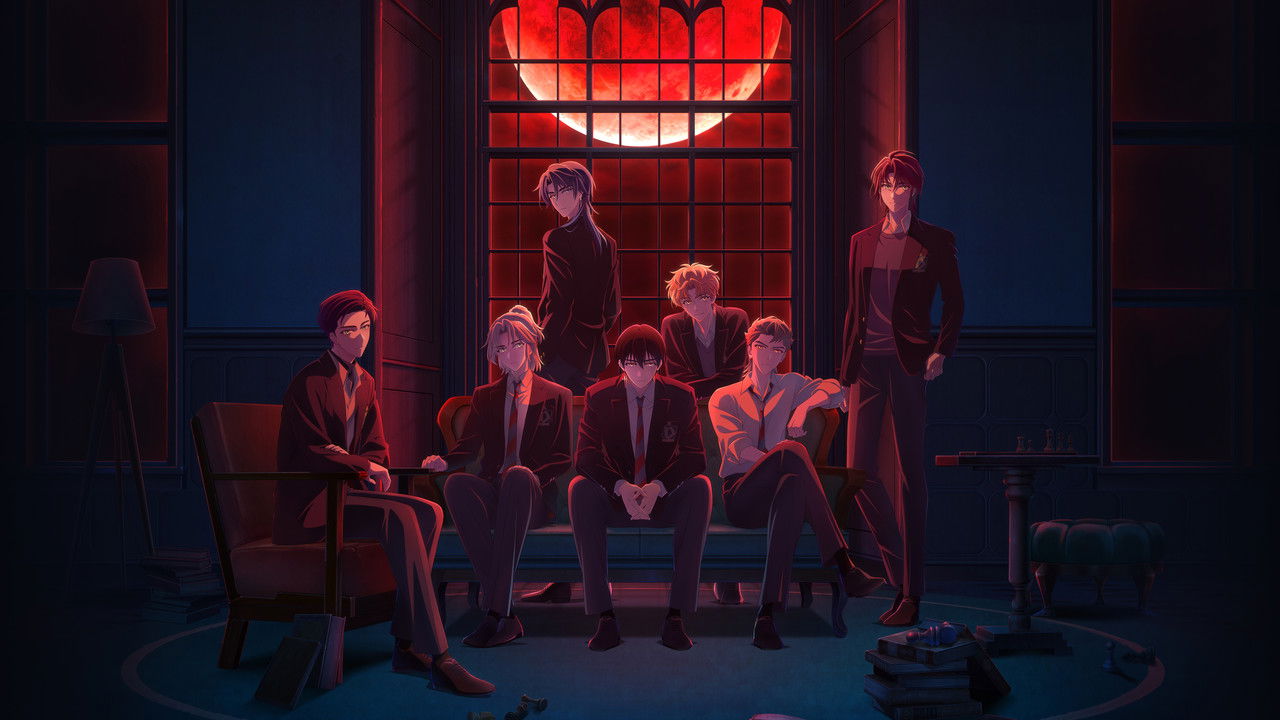
Visually, the series is a triumph of atmosphere over adrenaline. Director Shoko Shiga understands that a gothic romance lives or dies by its lighting. Riverfield, the seaside city where the narrative unfolds, is rendered in a palette of bruised purples, deep indigos, and an omnipresent, silvery moonlight that seems to bleach the warmth out of the world. The animation creates a sense of "glossy isolation"—a visual language where everything is beautiful, but nothing is safe. When Sooha, the protagonist who despises vampires, arrives at Decelis Academy, the architecture itself feels predatory. The towering spires and endless night classes aren't just genre tropes; they are externalizations of a world that forces its inhabitants to live in the shadows.
The heart of the film—or rather, the series’ cinematic opening—lies in the tension between Sooha and the seven boys who rule the academy. In lesser hands, this would be a standard "reverse harem" dynamic. However, the script treats the boys’ vampirism not merely as a superpower, but as a metaphor for the curated existence of the modern idol. They are flawlessly composed, terrifyingly capable, and fundamentally removed from humanity.
The character of Heli, in particular, carries the weight of this silence. His interactions with Sooha are laden with dramatic irony; she hates vampires for the trauma they inflicted on her childhood, yet she finds solace in the very creatures she has sworn to avoid. This creates a friction that is palpable. The "blood altar" of the title suggests sacrifice, and indeed, the story asks what must be sacrificed to maintain a pristine image. The violence, when it comes, is swift and aestheticized, disrupting the school’s tranquility like a crack in a porcelain mask.
Ultimately, *Dark Moon: The Blood Altar* succeeds because it takes its melodrama seriously. It does not wink at the audience. It commits fully to its operatic emotions—the longing, the fear of discovery, the fatalism of ancient bonds. It posits that beauty is often a warning sign, a bioluminescent lure in the deep dark. For a story born from the polished world of pop music, it possesses a surprisingly sharp set of fangs, sinking them deep into the anxieties of identity and the dangerous allure of the unknown.