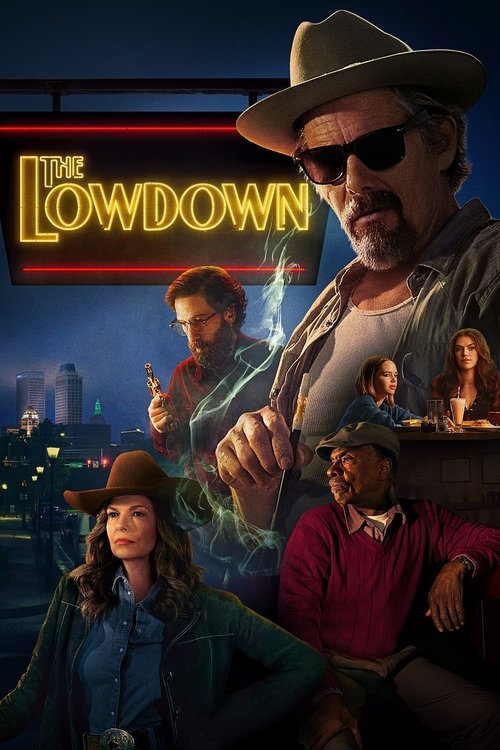
The Weight of SilenceIn the age of the algorithm, where "content" is churned out to feed an endless scroll, *The Lowdown* arrives like a handwritten letter from a ghost. Creator Sterlin Harjo, fresh from the quiet revolution of *Reservation Dogs*, has pivoted from the sun-drenched irreverence of Indigenous youth to the shadowed, whiskey-soaked corners of Tulsa noir. But this is not merely a crime procedural wrapped in the aesthetic of a paperback thriller; it is a meditation on memory, the corrosive nature of buried history, and the price one pays for refusing to let the past stay dead.

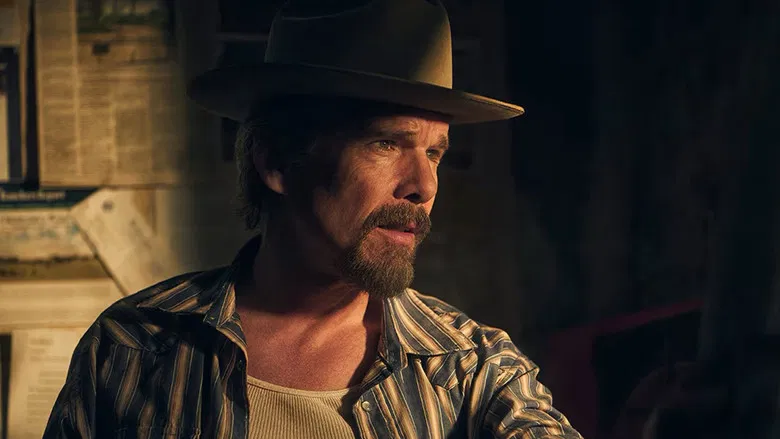
Harjo’s visual language here is a stark departure from his previous work, yet it retains a distinct, tactile humanity. The camera prowls through Tulsa not as a tourist, but as a local who knows which alleys smell of rain and which street corners hold the echoes of violence. The cinematography creates a suffocating sense of reality; the lighting is often dim, practical, and heavy, reflecting the internal state of Lee Raybon (Ethan Hawke). Raybon is a self-proclaimed "truthstorian," a man whose very existence is an act of resistance against a city desperate to sanitize its own mythology. The screen is frequently cluttered—stacks of books, peeling wallpaper, the detritus of an obsessive mind—mirroring Raybon’s chaotic quest to connect the dots of a conspiracy that everyone else is paid to ignore.
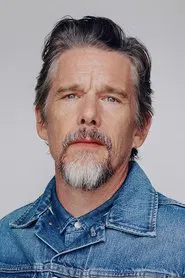
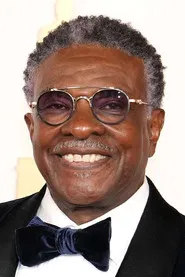
At the center of this storm is Ethan Hawke, delivering a performance of bruising vulnerability. As Raybon, he is a man dissolving. He is not the cool, detached detective of classic noir, but a frantic, fraying wire of nervous energy. His obsession with the "truth"—specifically regarding the powerful Washberg family—is not portrayed as heroic, but as a pathology. Hawke plays him with a persistent cough and a nervous twitch, a man physically allergic to the lies surrounding him. Opposite him, Keith David’s Marty provides a gravitational counterweight, a voice of weary reason in a world gone mad. Their dynamic anchors the show, transforming it from a simple whodunit into a character study of two men raging against the dying of the light in very different ways.

The series is at its most potent when it interrogates the concept of local history. In one pivotal scene, Raybon confronts a city official not with a gun, but with a ledger—a dusty record of stolen land and silenced voices. It captures the show's central thesis: that violence isn't just physical; it is administrative. It is the erasing of names from maps and the rewriting of textbooks. Harjo masterfully weaves the specific trauma of Oklahoma’s history—the scars of the Tulsa Race Massacre, the displacement of Indigenous peoples—into the fabric of a modern crime drama. The mystery of the Washberg family isn't just about a dead body; it is about the foundational rot of a society built on convenient amnesia.
Ultimately, *The Lowdown* is a demanding watch, not because the plot is convoluted, but because it asks us to care about things we are trained to overlook. It suggests that the "truth" is not a shiny prize to be won at the end of the episode, but a heavy burden to be carried. In a television landscape crowded with superheroes and shiny escapism, Harjo has given us something far more terrifying and essential: a mirror reflecting the ghosts we refuse to acknowledge. It is a messy, beautiful, and profoundly American tragedy that confirms Harjo as one of the most vital voices in contemporary cinema.