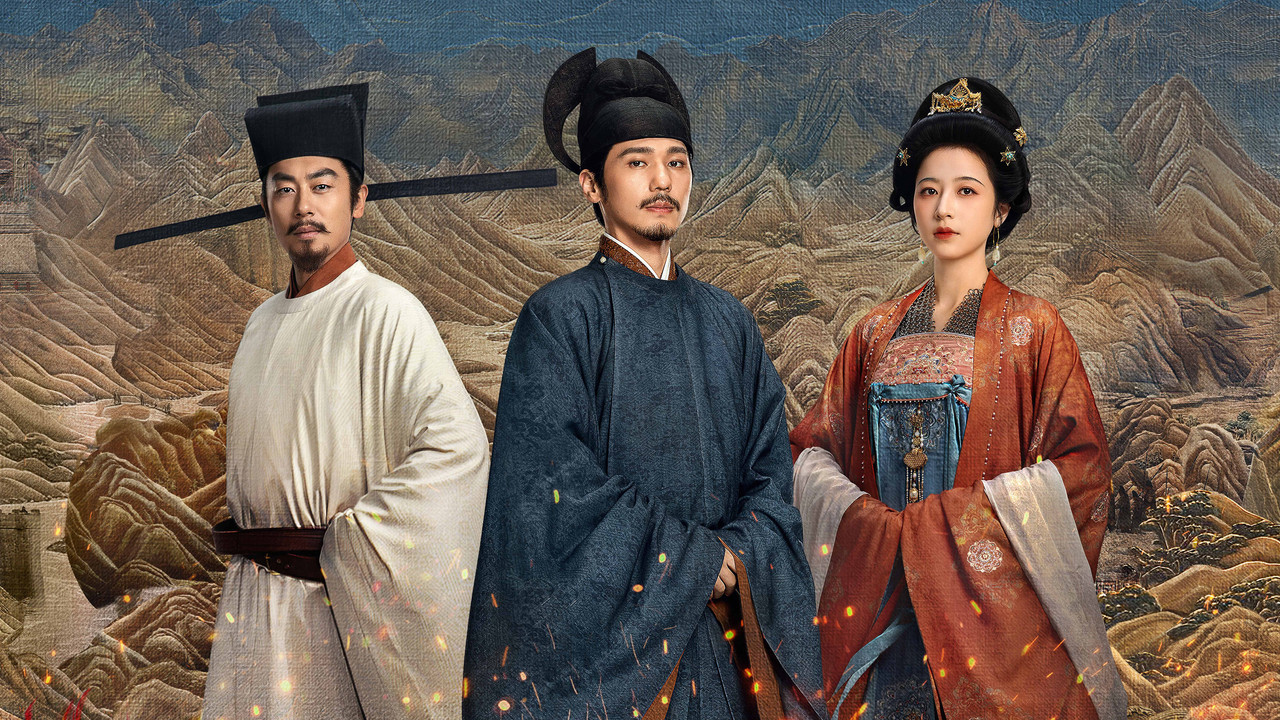
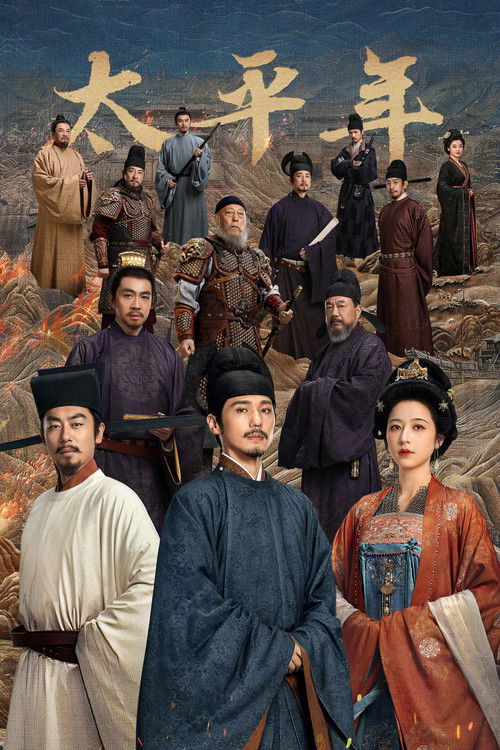
The Unsung Valor of SurrenderHistory is usually written by the conquerors, detailing the borders drawn by swords and the dynasties built on bones. But Yang Lei’s monumental new series, *Swords Into Plowshares* (*Tai Ping Nian*), attempts something far more difficult: it chronicles the history of those who chose *not* to fight. Premiering on CCTV-1 amidst significant anticipation, this is not merely a costume drama; it is a dense, atmospheric meditation on the price of peace in an era defined by chaos.
Set during the Five Dynasties and Ten Kingdoms—a fragmented, bloody interregnum between the Tang and Song dynasties—the series immediately distinguishes itself from the floating wuxia fantasies that often dominate the genre. Director Yang Lei, who brought a cold, hard sci-fi realism to *Three-Body*, applies that same materialist gaze to the 10th century. The camera lingers not on the faces of pretty idols, but on the mud of the battlefield, the rust on a neglected plow, and the terrifying geography of a fractured China.
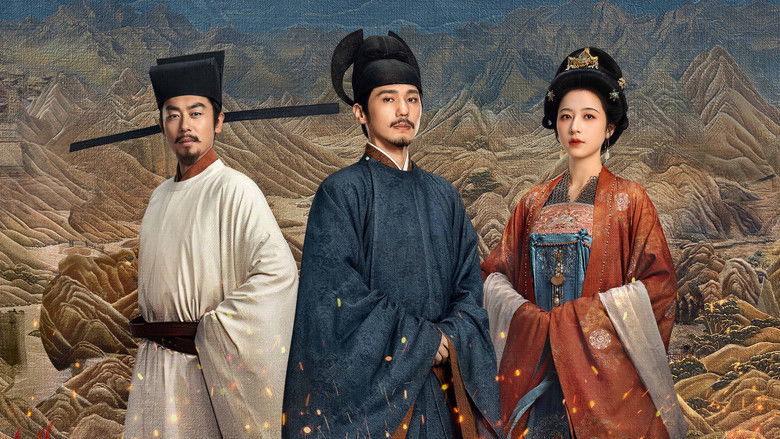
The narrative anchor is the triumvirate of Qian Hongchu (Bai Yu), Zhao Kuangyin (Zhu Yawen), and Guo Rong (Yu Haoming). While historical dramas typically fetishize the rise of the emperor who conquers all, *Swords Into Plowshares* is fascinated by the dialectic between the north and the south. We see the stark contrast between the war-ravaged northern plains, where "hooves shatter the mountains," and the opulent, fragile prosperity of the Wuyue Kingdom in the south.
Yang Lei uses this visual dichotomy to drive the show’s central thesis. In one early, haunting sequence, Qian Hongchu travels to the north and witnesses the "bleakness of disordered human relations"—a Confucian nightmare where survival has stripped away humanity. It is here that the visual language shifts from the warm, golden hues of the south to a desaturated, suffocating grey. This isn't just aesthetic; it’s the show’s moral argument made visible. The "peace" of the title isn't a given; it is a desperate, terrifying necessity.
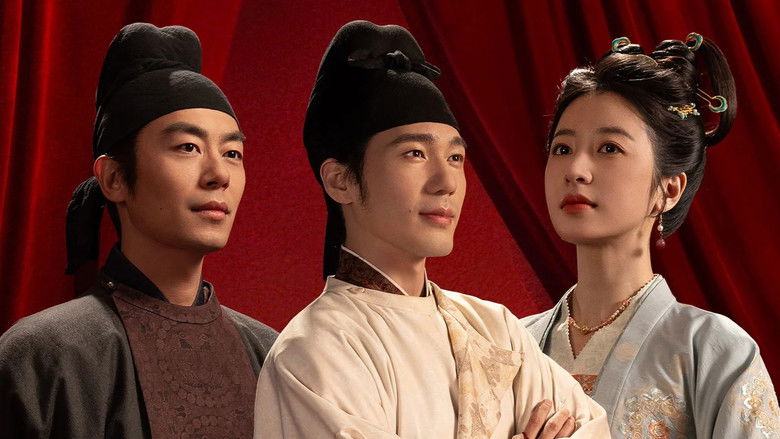
The heart of the drama lies in Bai Yu’s portrayal of Qian Hongchu. In a genre that usually rewards aggression, Qian is a radical figure: a leader who saves his people through submission rather than dominance. Bai Yu plays him with a heavy, internalized quietness. He is not the warrior who screams at the heavens, but the architect who swallows his pride to preserve the "cooking fires of everyday life." The tension isn't whether he will win the battle, but whether his soul can withstand the weight of his pragmatic choices.
This aligns with the current political discourse surrounding the show—the theme of "reunification." While modern audiences might read contemporary slogans into the narrative, the series works best when viewed as a human tragedy. The eventual "surrendering of the land to the Song" is framed not just as a political maneuver, but as an act of profound, painful humanism. The chemistry between the three leads elevates this political theory into brotherhood; they are men staring at the same broken world, disagreeing only on how to fix it.
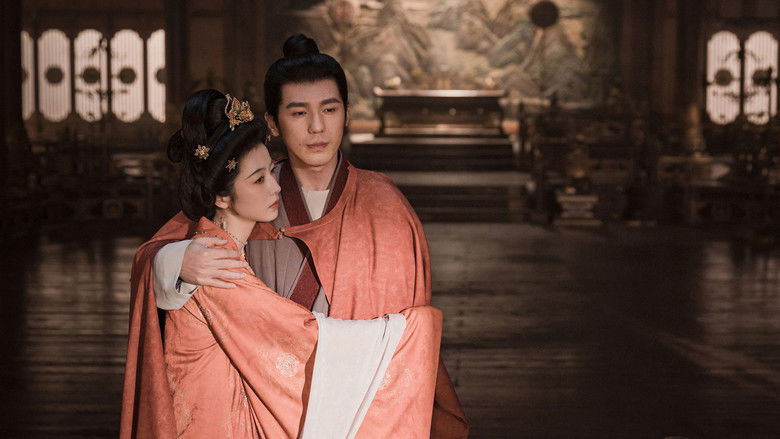
Ultimately, *Swords Into Plowshares* is a heavy watch. It demands patience. It lacks the instant gratification of revenge plots, trading them for the slow-burning tension of court politics and the philosophical weight of governance. But in doing so, it achieves a rare dignity. It suggests that the greatest historical feat wasn't the burning of a city, but the decision to leave the sword in its scabbard so that a field could be plowed. In a world on fire, Yang Lei has crafted an elegy for the water that puts it out.