The Geometry of LonelinessIn the age of algorithmic content, where "engagement" usually implies a dopamine hit of rage or laughter, *Lost in Tokyo* (迷失东京) arrives as a quiet, devastating anomaly. Released in late 2023 by the independent Chinese media collective Shi Pin Dao (食贫道), this feature-length documentary—part of their "East Japan Treasure Recommendations" series—demands a toll from its audience, both literally (via Bilibili’s paywall) and emotionally. Helmed by Zhang Jun (affectionately known as "Bing Shu"), a former CCTV war correspondent whose lens has shifted from ballistic conflict to the silent attrition of the human soul, the film is not merely a travelogue of Japan’s underbelly. It is a mournful, visually arrestive meditation on the price of survival in a hyper-modern metropolis.
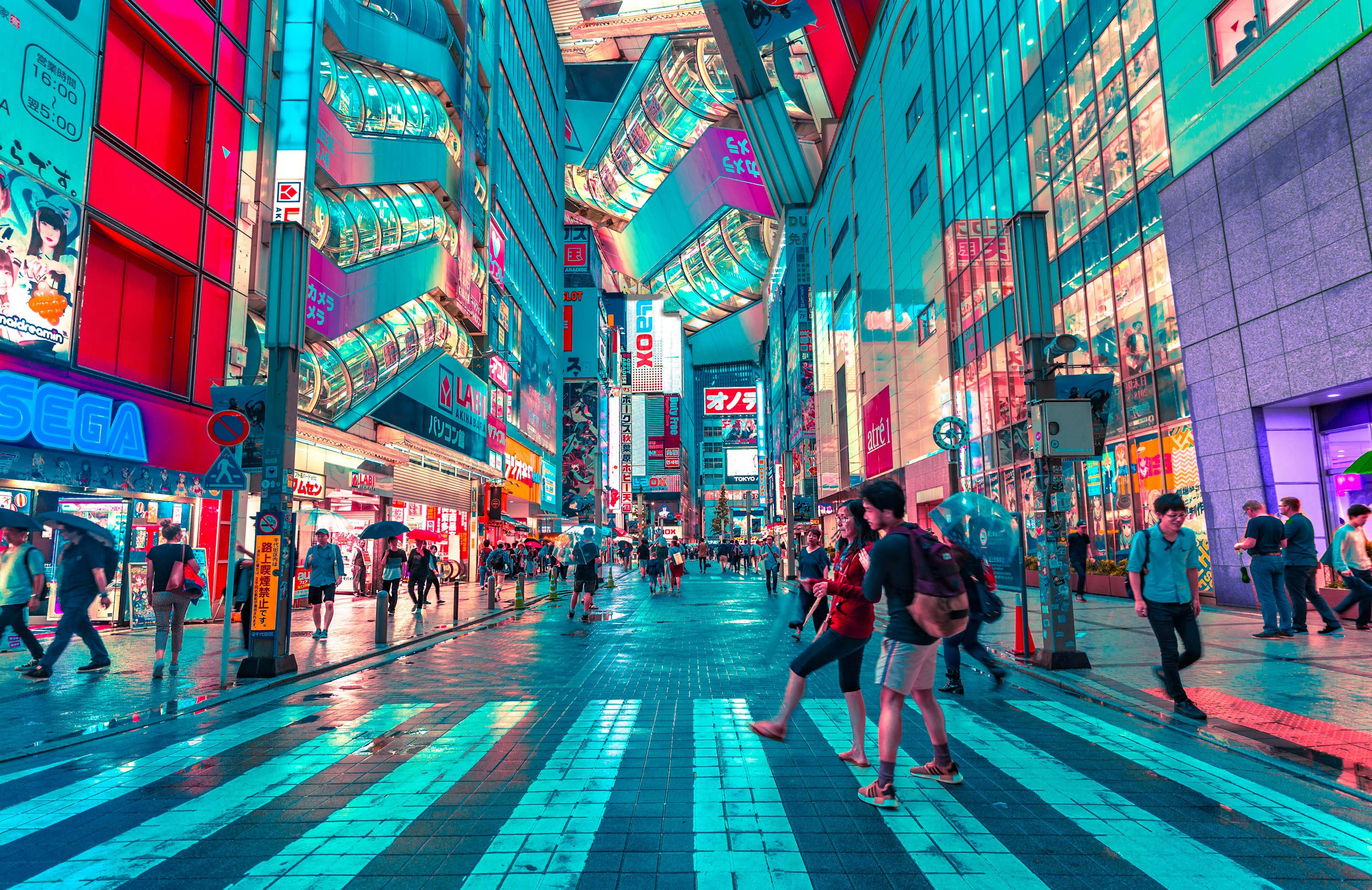
Zhang’s directorial eye, honed in the chaotic theaters of the Middle East, treats the neon canyons of Kabukicho with the same gravity as a battlefield. The "war" here, however, is internal. The film eschews the sensationalist "poverty porn" often found in YouTube documentaries about the Yakuza or the red-light district. Instead, it employs a visual language that is suffocatingly intimate. The camera lingers on the cramped texture of a hostess’s apartment or the weathered skin of a homeless man, framing them against the blurred, indifferent bokeh of Tokyo’s endless lights. This is a city filmed not as a backdrop, but as a beautiful, indifferent antagonist that slowly digests its inhabitants.
The film’s emotional anchor lies in its refusal to judge its subjects, a diverse cast of the "lost" that includes Yakuza members, AV actresses, and the homeless. One of the most haunting sequences involves a single mother working as a hostess. As she speaks of her children, the transactionality of her nights dissolves into a universal maternal anxiety. She confesses a wish to have her ashes scattered in the sea, simply to avoid burdening her children with the cost of a grave. It is a moment of crushing practicality that reveals the film’s central thesis: in Tokyo, loneliness is not just a feeling; it is an economic and structural reality.

Perhaps the most discussed figure is Wang Nan, a founder of the notorious Chinese-Japanese gang "Dragon" (Nu Luo Quan). Zhang Jun captures him not as a caricature of violence, but as a man caught in a purgatory of atonement and recidivism. The film documents his charity work, only to later reveal his re-arrest, a narrative whiplash that denies the audience a clean redemption arc. This ambiguity is the film’s strength. It reflects the messy, unresolved nature of the lives it documents.
*Lost in Tokyo* culminates in a philosophical rupture provided by a homeless man, who observes that cameras usually focus on "stars," while the reality of the world lies in the darkness outside the frame. By turning his lens into that darkness, Zhang Jun has created a work that transcends the "YouTuber" label. It is a piece of serious cinema that argues the most terrifying thing about Tokyo isn't its crime or its vice, but the sheer, deafening weight of its silence.
Verdict: A profound, humanistic triumph that proves the documentary spirit is alive and well, thriving in the unlikeliest of places—behind a paywall on a streaming site.