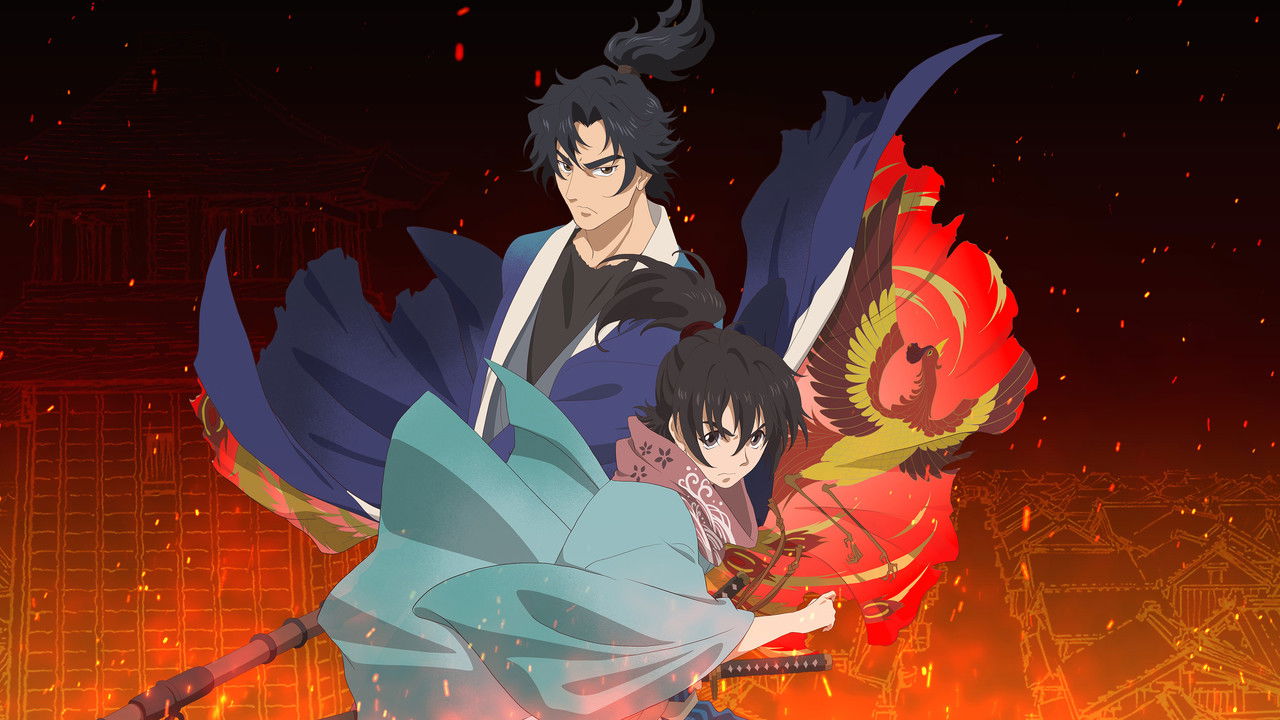
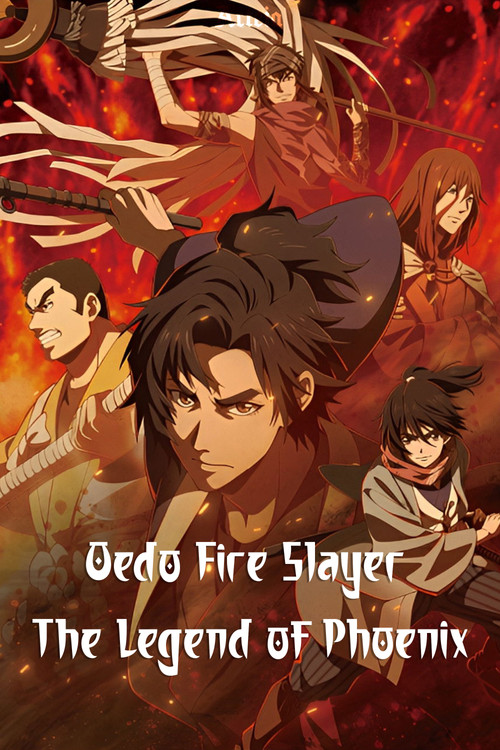
The Hollow Heat of HistoryIn the vast, flammable expanse of Edo-period Japan, fire was not merely a disaster; it was a seasonal deity, a "flower of Edo" that bloomed in destruction and required a specific breed of gardener to prune. The firefighter of this era—the *hikeshi*—occupies a unique space in historical fiction: less a warrior of conquest, more a guardian of fragility. *Oedo Fire Slayer -The Legend of Phoenix-* (or *Hikuidori*), adapting Shogo Imamura’s celebrated novel, arrives in 2026 with the weight of this history on its shoulders. It promises a gritty procedural about the men who fought infernos with hooks and demolition rather than water. Yet, as the smoke clears, what we are left with is a tragic collision between a narrative of profound human texture and a visual execution that feels regrettably synthetic.

The director, Hiroshi Yasumi, working with Studio SynergySP, has made the controversial choice to render this historical drama largely in 3D CGI. In theory, this allows for complex fire simulations and dynamic camera movements through the burning alleyways of Edo. In practice, it creates a suffocating layer of artificiality. The visuals often resemble a mid-tier video game cutscene from a decade prior, where characters glide weightlessly across surfaces that should feel grounded in mud and ash. When Gengo Matsunaga, the legendary "Fire-Eating Bird," swings his *tobiguchi* (fire hook), we crave the visceral crunch of timber and the strain of muscle. Instead, we get a sterile motion that robs the action of its physical stakes. The aesthetic creates a Brechtian distance; we are constantly reminded we are watching a simulation, which is fatal for a story that relies on the terrifying immediacy of heat and death.
However, if one can look past the plasticky sheen of the animation, the "Heart" of the series beats with a undeniable, ragged rhythm. The script preserves the soul of Imamura’s source material. This is not a story of pristine heroes; it is a story of rehabilitation. The "Ragged Fire-Slayers" (Boro-Tobi-Gumi) are a brigade of societal castoffs—sumo wrestlers, misfits, and the disgraced Gengo himself—who find purpose in the ash.

The central conflict is not just against the "Foxfires" (the mysterious arsons plaguing the city), but against the cynicism of a society that views these men as expendable. The performance of Yuichiro Umehara as Gengo anchors the show; his voice carries the weariness and resolve that the animation fails to render on his face. There is a moving sequence early in the series where the brigade must choose between protocol and preserving life—a "Ship of Theseus" moment where they decide what part of the city (and themselves) is worth saving. The emotional logic here is sound, even if the visual logic creates a dissonance. The "saving any life" ethos of the brigade clashes beautifully with the ruthlessness of the flames, providing a philosophical weight that many *shonen* anime lack.

Ultimately, *Oedo Fire Slayer* serves as a frustrating case study in modern anime production. It possesses all the narrative architecture of a masterpiece—rich historical grounding, a compelling mystery, and a "found family" dynamic that genuinely warms the heart. Yet, it is trapped in a vessel that cannot hold it. It is a digital phoenix that struggles to rise because its wings are clipped by technical limitations. For those who can endure the visual friction, there is a powerful story of redemption burning beneath the pixels. For the rest, it may be a tragedy of potential lost to the flames of budget and artistic compromise.