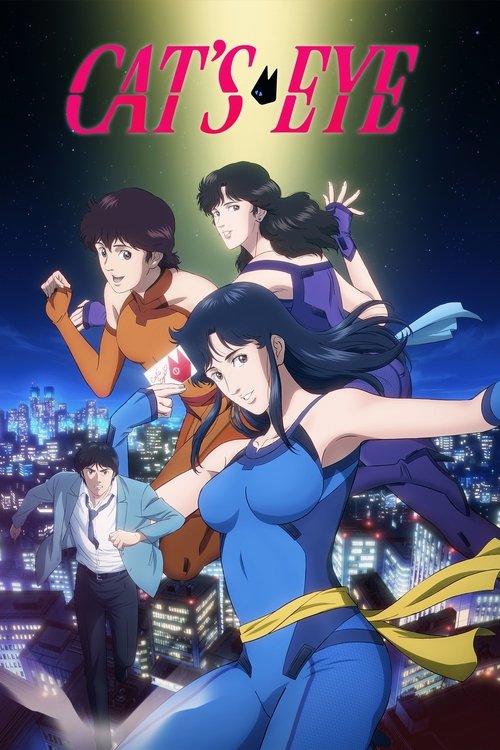
The Velvet TrapThere is a specific texture to the nostalgia currently gripping the animation industry—a desire not just to retell the stories of the 1980s, but to resurrect their very atmosphere. We have seen this with *City Hunter*, and now, inevitably, we see it with its spiritual sibling, *Cat’s Eye*. Arriving on Disney+ not as a dusty relic but as a polished, neon-soaked reimagining, the 2025 series attempts a dangerous acrobatic feat: it must balance the breezy, episodic charm of Tsukasa Hojo’s original manga with the demands of a modern audience conditioned to expect high-velocity serialization.
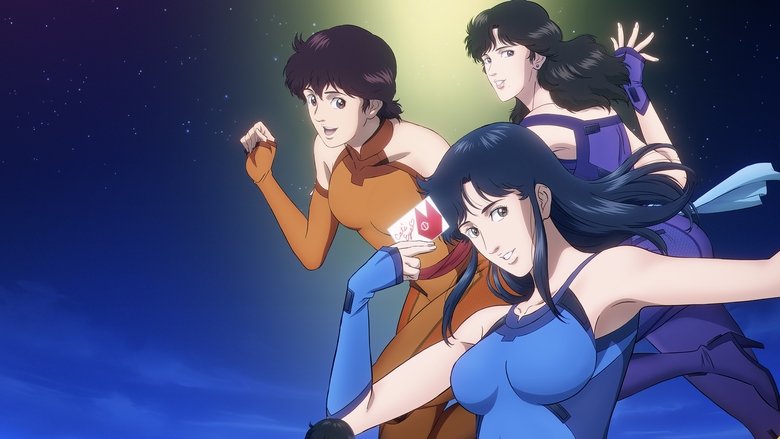
Produced by Liden Films, this iteration of *Cat’s Eye* is a visual paradox. It is undeniably sleek, utilizing a crisp digital palette that renders the Kisugi sisters—Hitomi, Rui, and Ai—with a sharpness that Hojo’s original ink drawings only suggested. Yet, the direction by Yoshifumi Sueda wisely resists the urge to modernize the pacing to a frantic degree. The camera lingers on the sheen of a stolen painting or the silhouette of a leaping figure against a moonlit Tokyo skyline. It is an aesthetic choice that values "cool" over "chaos," preserving the glamour of the heist genre.
However, the visual language occasionally feels too clinical. The grit of the 80s—the grain of the film, the hand-painted backgrounds—has been replaced by a cleanliness that sometimes robs the night scenes of their danger. The show relies heavily on its lighting to compensate, bathing the sisters in purples and cyans that evoke a synth-wave dreamscape. It is beautiful, certainly, but one yearns for a little more shadow, a little more noir to offset the gloss. The musical landscape, anchored by the vocal powerhouse Ado, bridges this gap more successfully. Her interpretation of the themes serves as a sonic thesis for the show: aggressive, modern, yet deeply respectful of the disco-funk lineage from which the series was born.
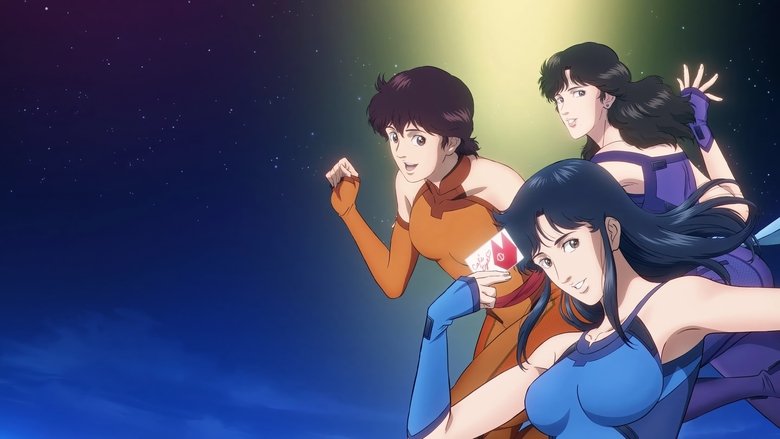
Beneath the latex suits and high-wire escapades, the show remains a romance wrapped in a crime procedural. The central dynamic between Hitomi (Mikako Komatsu) and her boyfriend, the bumbling yet earnest Detective Toshio (Takuya Sato), is the series' emotional fulcrum. In lesser hands, this relationship—the classic "Lois Lane and Superman" trope where love is blind to identity—could feel archaic. Yet, the 2025 adaptation leans into the tragedy of their deception. Hitomi’s thievery is not born of greed, but of a desperate need to reclaim her father’s lost art and, by extension, his history. Every time she deceives Toshio, the show allows us to see the toll it takes on her. It transforms a sitcom setup into a quiet study of intimacy and secrets.
The supporting sisters provide the necessary ballast. Rui (Ami Koshimizu) brings a matriarchal gravity that grounds the team, while Ai (Yumiri Hanamori) offers levity. But the script focuses intently on the friction between duty and desire. The heists are merely the stage upon which these emotional plays are enacted. While the mechanics of the thefts can sometimes feel repetitive—a limitation inherited from its procedural roots—the stakes are always personal. We watch not to see if they get away with the painting, but to see if they can survive the lie.

Ultimately, *Cat’s Eye* (2025) is a work of preservation. It does not try to deconstruct the magical girl or heist genres; it simply aims to remind us why they enchanted us in the first place. It is a show that believes in the elegance of the silhouette and the romantic power of a secret identity. While it may lack the narrative complexity of its prestige TV contemporaries, it possesses a confident, stylish heart. It suggests that in an era of surveillance and digital transparency, there is still something thrilling about slipping into the darkness, leaving nothing behind but a calling card.