The Architecture of the InvisibleNeeraj Pandey has spent the better part of two decades carving out a very specific niche in Indian cinema: the bureaucratic thriller. Unlike the operatic gangsters of Kashyap or the high-octane super-cops of the Rohit Shetty universe, Pandey is interested in the men who sit in the back rooms, reading files under humming fluorescent lights. In *Taskaree: The Smuggler's Web*, he turns his gaze to the Customs Department—a force often relegated to the background of cinema—and elevates their mundane vigilance into a chess game of quiet desperation.
The series, streaming on Netflix, does not rely on the kinetic frenzy of car chases. Instead, it thrives on the tension of a suspicious suitcase and the micro-expressions of a traveler trying too hard to look relaxed.
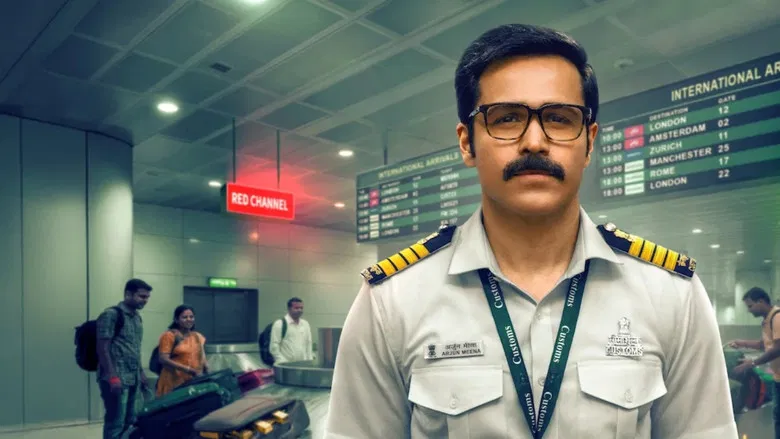
Visually, *Taskaree* is an exercise in claustrophobia. The airport, usually a symbol of transit and freedom, is framed here as a panopticon of surveillance and deception. The cinematography eschews gloss for a sterile, grey-toned realism that mirrors the soul-crushing routine of the officers. There is a "drabness" to the proceedings that feels intentional; the glamour of the smuggled gold and luxury watches stands in stark contrast to the sterile interrogation rooms where they are seized.
Pandey, along with director Raghav Jairath, treats the mechanisms of smuggling almost like an instructional manual. The early episodes are fascinating not for their action, but for their procedural density—showing us how gold is dissolved into machinery or how rare wildlife is stitched into the lining of a coat. This commitment to the "how" rather than just the "who" grounds the narrative, making the viewer complicit in the hunt.

At the center of this web is Arjun Meena, played with a weary, magnetic gravity by Emraan Hashmi. It is remarkable to witness Hashmi’s evolution from the brash rebel of the early 2000s to this portrait of restrained authority. As Meena, he does not shout; he observes. There is a heaviness to his performance that suggests a man who has seen every trick human greed can devise.
Hashmi is balanced by Sharad Kelkar’s Bada Chaudhary, a villain who brings a sophisticated menace to the screen. The dynamic here is classic noir: the overworked, underpaid servant of the state versus the charismatic architect of chaos. However, the script occasionally stumbles when it tries to force personal stakes into professional duties. The "team of misfits" trope—a hallmark of Pandey’s work from *Baby* to *Special Ops*—feels somewhat mechanical here. We assemble the suspended officers, the mavericks, the tech wizards; it is a familiar rhythm that threatens to rob the story of its unique texture.
Despite these narrative crutches, *Taskaree* succeeds because it respects the intelligence of its audience and the difficulty of its subject matter. It argues that the safety of a nation isn't just preserved on border battlefields, but at baggage claim belts by people who are rarely thanked. It is a series that finds poetry in the procedural, reminding us that in a world of global trade, the most dangerous things are often those hidden in plain sight.
The Verdict: While it leans on familiar tropes of the genre, *Taskaree* is a tightly wound, intellectually satisfying watch that confirms Emraan Hashmi’s arrival as one of the most mature actors of his generation.