✦ AI-generated review
The Radical Art of Just Getting By
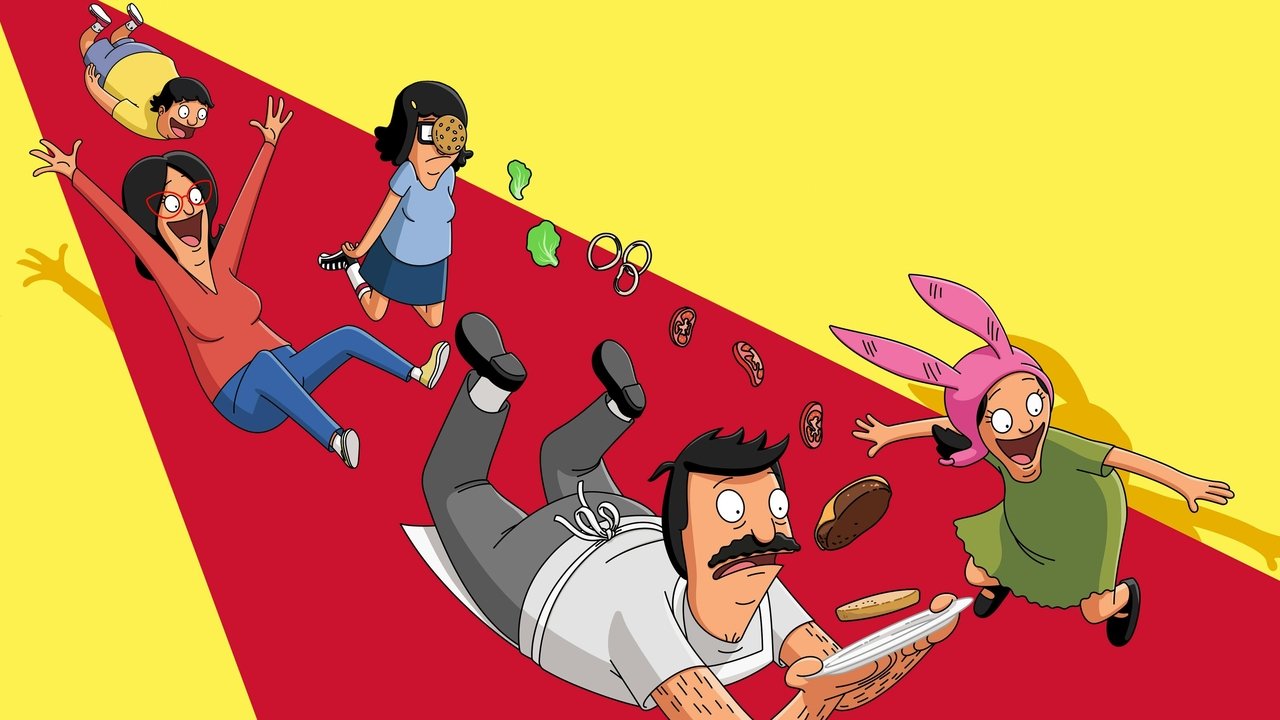
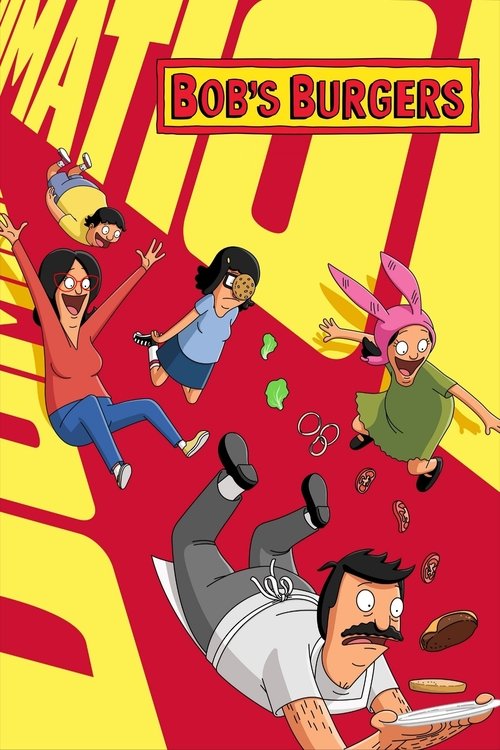
If the animated sitcoms of the late 90s and early 2000s were defined by cynicism—*Family Guy*’s nihilistic shock value or *South Park*’s libertarian sneer—then *Bob’s Burgers*, which premiered in 2011, represents a quiet, humanist counter-revolution. Created by Loren Bouchard, the series initially appeared to be another crude entry in the "dysfunctional family" canon. Yet, beneath its grease-stained aesthetic lies one of television's most profound meditations on economic precarity, artistic integrity, and the enduring nobility of failure.
Visually, the show rejects the polished elasticity of its peers. The characters are designed with a deliberate, lumpen awkwardness—chins recede into necks, postures slump, and eyes stare blankly. However, this physiological ungainliness is set against backgrounds of startling, painterly detail. The worn textures of the Ocean Avenue storefronts and the soft, dusty light of the restaurant interior ground the Belcher family in a tactile reality that feels lived-in rather than drawn. This visual friction mirrors the show’s central thesis: finding beauty in the mundane and the imperfect. The sound design reinforces this; Bouchard, an alumnus of *Dr. Katz, Professional Therapist*, utilizes overlapping, naturalistic dialogue and "dead air" to create a rhythm that feels less like a scripted comedy and more like a documentary of a family talking over each other at dinner.
At the heart of this world is Bob Belcher (H. Jon Benjamin), a man who is arguably the last tragic hero of the American working class. Bob is a true artist, a burger savant whose daily "Burger of the Day" puns are not just jokes, but acts of creative defiance against a world that prefers the mediocre, processed fodder of his rival, Jimmy Pesto. In the episode "Crawl Space," a key early text, Bob’s descent into madness within the walls of his own home isn't just a slapstick *Shining* parody; it is a physical manifestation of his desire to escape the crushing weight of his responsibilities. Yet, he always returns. His weariness is the show’s anchor, constantly buoyed by the manic, unconditional optimism of his wife, Linda.
The brilliance of the Belcher dynamic is that the conflict rarely stems from inter-family malice. Unlike the Simpsons or the Griffins, who often treat one another with contempt, the Belchers are a united front against a world that is indifferent to them. The "stakes" in *Bob’s Burgers* are refreshingly, terrifyingly low: making rent, buying a specific toy, or serving a single customer. In a media landscape obsessed with world-ending threats, there is something deeply radical about a narrative engine driven entirely by the struggle to keep the lights on for one more month.
Consider Tina Belcher’s signature groan—a long, flat "uuuuuhhhhh" that has become a cultural touchstone. It is not merely a gag; it is the sonic expression of the paralysis of modern adolescence, a refusal to choose between terrible options. The show treats these anxieties not as defects, but as valid emotional states. Whether it is Louise’s Machiavellian defenses or Gene’s performative surrealism, the show allows its characters to be "weird" without requiring them to change.
Ultimately, *Bob’s Burgers* is a tragedy played as a farce, softened by love. It posits that "success" is not a penthouse or a franchise, but the ability to sit at a Formica table with people who tolerate your neuroses. In an era of curated perfection and high-octane content, the Belchers offer a far more difficult lesson: there is a profound dignity in simply surviving, together.