✦ AI-generated review
The Last Great Fantasy of Competence
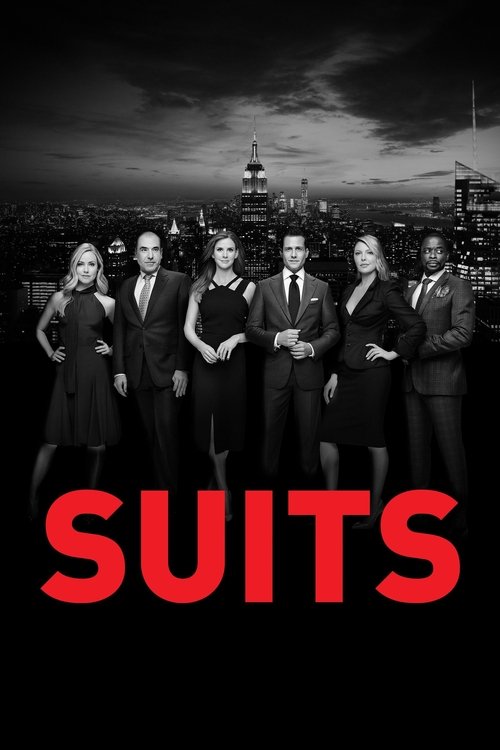
In the current landscape of television, dominated by dystopian grimness and sprawling, cinematic slow-burns, the unexpected resurgence of *Suits* feels less like a trend and more like a collective gasp for air. Premiering in 2011 as a flagship of USA Network’s "Blue Sky" era, the series was originally designed as a breezy counter-programmer to the brooding anti-heroes of cable prestige. Yet, viewed through the rearview mirror of a decade, *Suits* reveals itself to be something far more singular: it is a high-gloss fantasy of competence, a world where the sharpest mind and the finest tailoring are the ultimate superpowers.
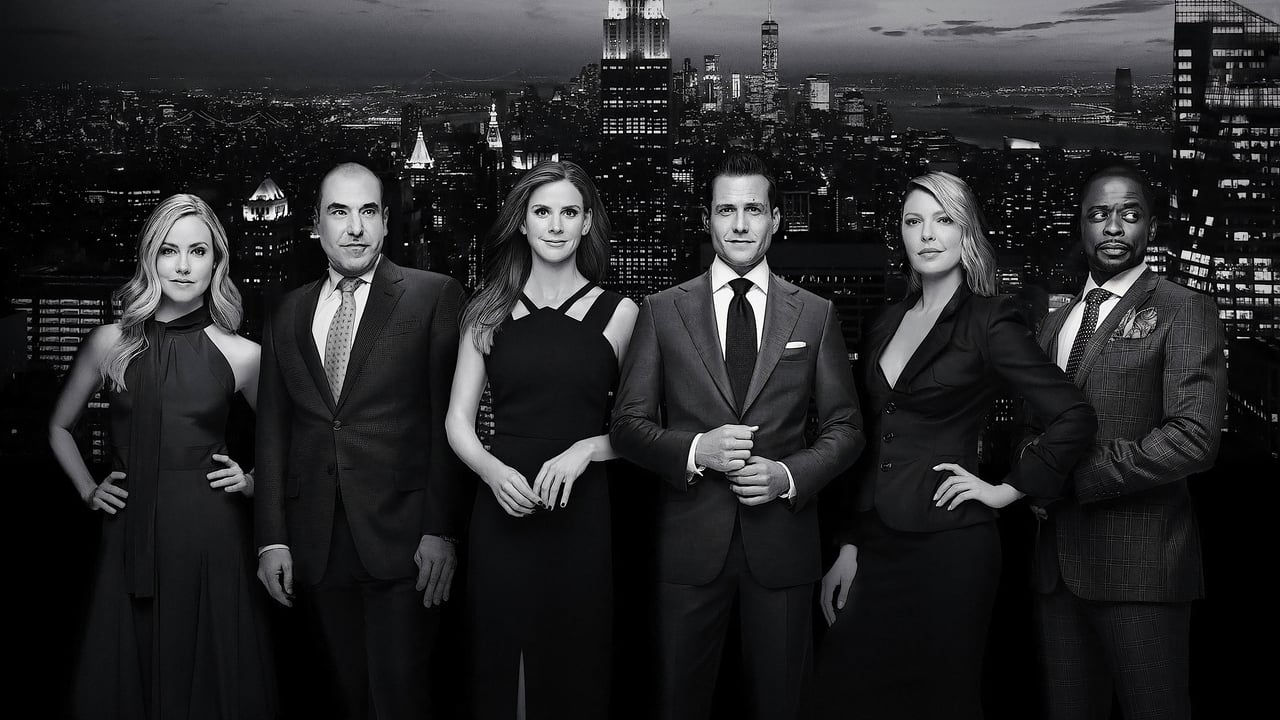
Visually, the series operates within a hermetically sealed universe of glass and steel. Though ostensibly set in New York, the show’s Toronto-based production design creates a hyper-reality—a "Gotham of the distinct," stripped of grime, traffic, or poverty. The camera glides through the corridors of Pearson Hardman with the same confidence as its protagonists, utilizing high-contrast lighting to make the corporate world look not just expensive, but seductive. This is a visual language of surfaces; the lens caresses the texture of a lapel or the grain of a mid-century modern desk with almost fetishistic adoration. The directors understand that in this genre, the setting is the armor. The characters are rarely seen outside these glass walls or the backs of town cars, reinforcing the idea that their work is not just what they do, but where they live.
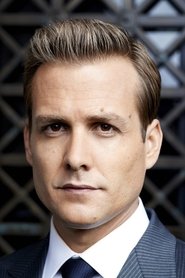
At the narrative’s center is a classic fable of impostor syndrome weaponized into a thrill ride. Mike Ross (Patrick J. Adams), the brilliant dropout with a photographic memory, is the audience surrogate, but Harvey Specter (Gabriel Macht) is the gravitational sun around which the show orbits. Harvey is a performance of masculinity that feels almost vintage today—emotionally unavailable, hyper-competitive, yet bound by a rigid, private code of honor. The chemistry between Macht and Adams is not merely "buddy cop" banter; it is a platonic romance. The pilot’s pivotal scene, where Harvey hires Mike despite his lack of a law license, functions as a seduction of intellect. It establishes the show’s central thesis: that meritocracy, when pure, supersedes the law itself.
However, to dismiss *Suits* as merely "competence porn" is to overlook its surprisingly jagged emotional edges, most clearly embodied by Louis Litt (Rick Hoffman). While Harvey and Mike are the cool kids at the cafeteria table, Louis is the show’s tragicomic soul. Hoffman delivers a performance of operatic insecurity, oscillating between villainy and heartbreaking vulnerability. He represents the terrifying reality that one can be brilliant and successful, yet still feel utterly unloved.
Ultimately, the show’s dialogue—a Sorkin-esque rhythm of walk-and-talks and movie quotes—creates a linguistic barrier that protects the characters from the messiness of the real world. In *Suits*, there is no problem that cannot be solved by a late-night breakthrough or a perfectly leveraged secret. It is a comforting lie, beautifully told. We watch not because we believe the law works this way, but because we desperately wish the world were this manageable, this witty, and this well-dressed.