✦ AI-generated review
The Concierge of Chaos
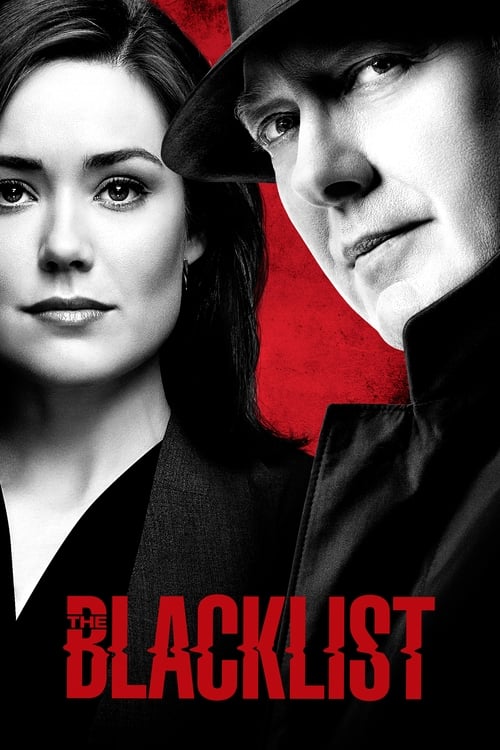
Television history is littered with shows that are defined by their writing rooms, their high-concept premises, or their visual innovations. NBC’s *The Blacklist* (2013–2023) belongs to a rarer, more volatile category: the series defined entirely by a single gravitational force. That force was James Spader, whose decade-long inhabitancy of Raymond "Red" Reddington did not just anchor the show; it frequently threatened to outshine the very medium it was broadcast on.
To view *The Blacklist* merely as a procedural—a "case of the week" where the FBI hunts down eccentric criminals—is to misunderstand its architecture. At its best, the series was a pulp opera, a glossy, heightened reality that functioned less like *Law & Order* and more like a modern, violent adaptation of a darkly comic graphic novel. The world of the show was populated by villains with names like "The Stewmaker" or "The Mombasa Cartel," grotesque figures that required a hero (or anti-hero) of equal theatricality to dismantle them.
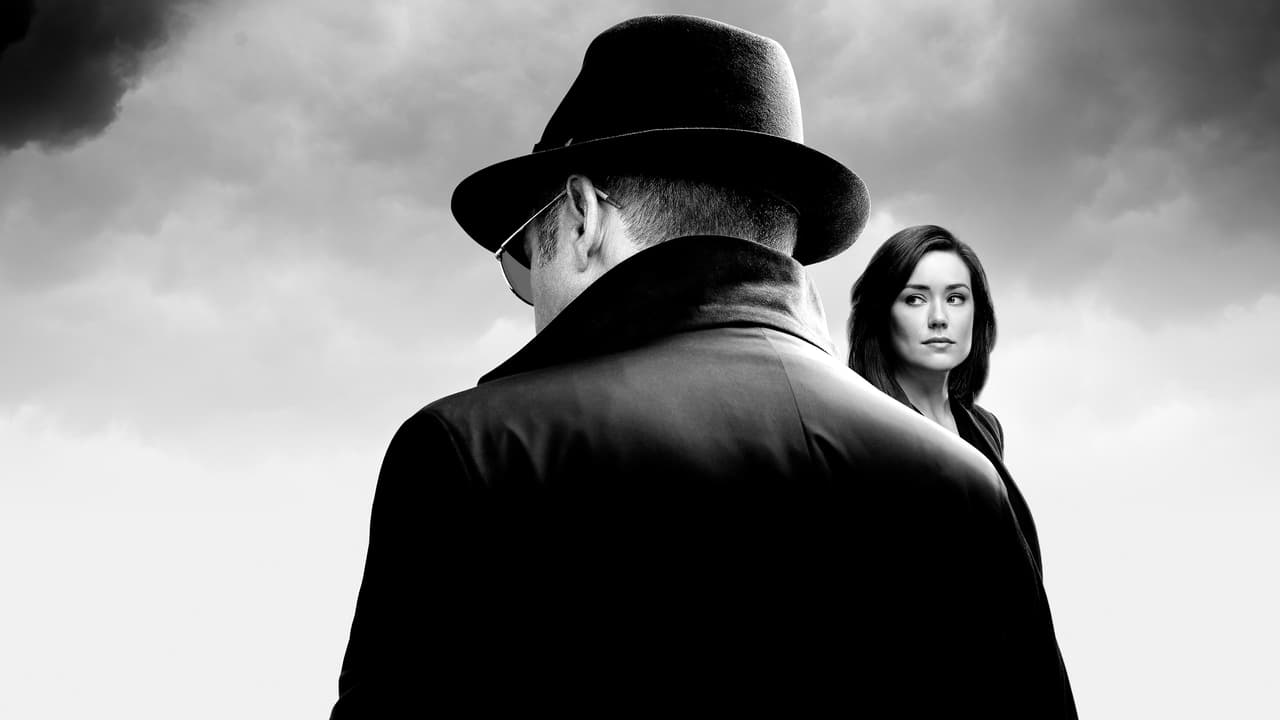
Enter Spader. From the pilot’s opening frames, where Reddington walks into FBI headquarters, surrenders, and kneels with the serene composure of a man checking into a five-star hotel, Spader made a specific, fascinating choice. He played Reddington not as a hardened criminal, but as a bon vivant who just happened to kill people. With his fedora tilted just so and his voice a rolling baritone purr, he treated international espionage with the same amused detachment one might apply to a wine tasting. He brought a sense of *play* to the grim business of terrorism, chewing on monologues about delectable meals or obscure literature while standing over a bleeding corpse.
Visually, the series leaned into this contrast. The direction often juxtaposed the sterilized, blue-tinted "war room" aesthetics of the FBI Post Office—screens, guns, badges—with Reddington’s world of mahogany, velvet, and warm scotch. This visual dichotomy underscored the show’s central tension: the friction between the rigid, moral law (represented by the FBI Task Force) and the chaotic, amoral efficacy of Reddington. The camera loved Spader, often holding on his micro-expressions—a bemused tilt of the head, a lip-smack of disapproval—trusting that his internal calculus was more interesting than any explosion.
However, the narrative ambition of *The Blacklist* often struggled to keep pace with its leading man. The central mystery—the "mythology" regarding Reddington’s true identity and his biological connection to profiler Elizabeth Keen (Megan Boone)—became a double-edged sword. For early seasons, it was a compelling engine of suspense. But as the years dragged on, the refusal to provide answers transformed from intrigue into exhaustion. The writers’ room seemed trapped in a cycle of teasing and retracting, stretching a mystery meant for a tight five-season arc into a ten-season marathon. The narrative weight often collapsed onto the character of Liz Keen, who was forced to oscillate wildly between trusting and hating Red, a victim of plotting that required her to be perpetually steps behind.
Yet, even when the plot mechanics grew rusty, the tragedy at the show's heart remained potent. Reddington is a character of immense power who is nonetheless barred from the one thing he craves: honest connection. He is a man who burned down his own life to protect another, only to find that the protection itself was a poison.
In the end, *The Blacklist* serves as a testament to the power of a "Great Character" to elevate a "Good Enough" show. The series finale, with its surreal and controversial confrontation between Red and a bull, felt like the only fitting end for a creature of such stubborn, mythical proportions. He didn't go out in a blaze of FBI gunfire; he went out on his own terms, facing nature head-on. It was a messy, imperfect decade of television, but whenever James Spader adjusted his hat and began a story, it was impossible to look away.