✦ AI-generated review
The Lever and the Soul
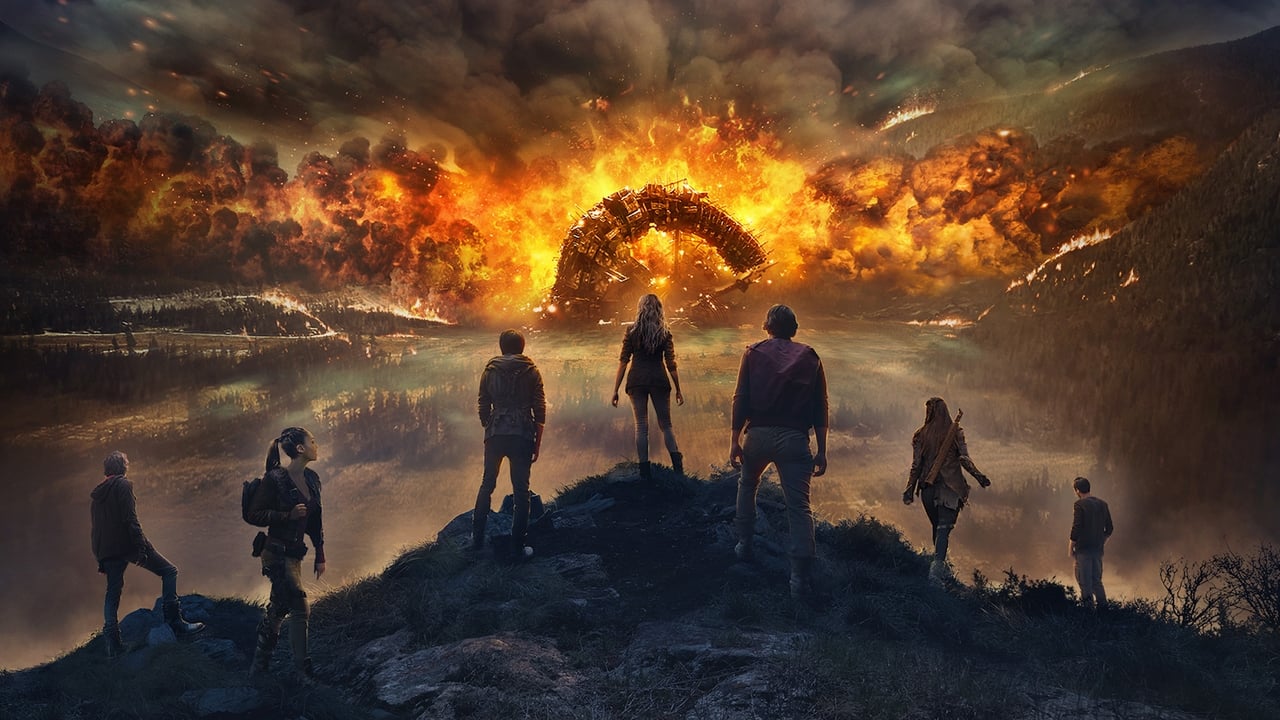
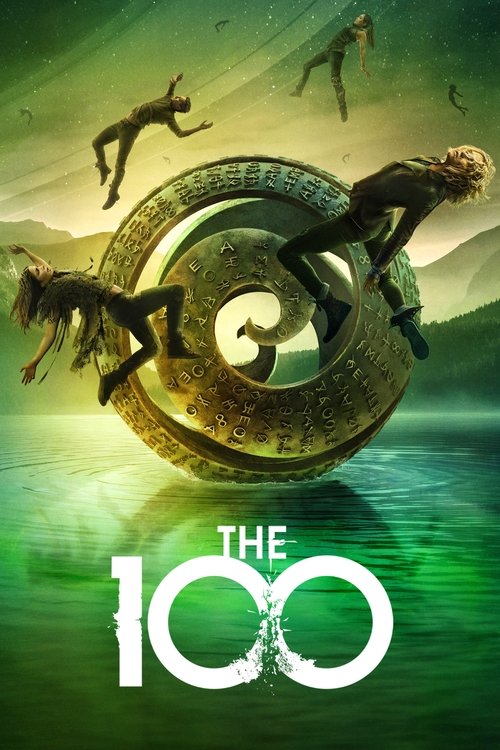
When "The 100" premiered on The CW in 2014, it arrived wearing a disguise. With its cast of impossibly photogenic juvenile delinquents dropped onto a post-apocalyptic Earth, it initially promised a "Lord of the Flies" via "The O.C."—a glossy, hormonal romp through the radioactive woods. But showrunner Jason Rothenberg had a far darker thesis in mind. By the time the credits rolled on the Season 2 finale, the show had shed its teen-drama skin to reveal a brutal, relentless treatise on utilitarian ethics and the corrosion of the human soul. It became one of the most daring, if uneven, science fiction series of the last decade not because of its romance, but because of its body count.
Visually, the series operates on a spectrum of decay. It contrasts the sterile, claustrophobic blues and greys of the Ark (the dying space station) and Mount Weather (the underground bunker) with the vibrant, muddy, blood-soaked greens of Earth. This visual dichotomy serves the narrative well: civilization is often presented as clean but morally rotton, while the "savage" ground is dirty but honest. The camera lingers on the grime under fingernails and the war paint smeared across faces, grounding the high-concept sci-fi elements in a tactile, suffocating reality.
At the heart of the series is the motif of "the lever." In "The 100," the climax is rarely a fistfight; it is a mechanical choice. The definitive moment of the series arrives in the Season 2 finale, when Clarke Griffin (Eliza Taylor) and Bellamy Blake (Bob Morley) stand before a literal lever in Mount Weather. Pulling it will irradiate the facility, saving their people but committing genocide against over 300 men, women, and children. They pull it. This scene is the show’s thesis statement: leadership is not about nobility; it is about the willingness to absorb sin so that others may remain innocent. Clarke eventually earns the Grounder title "Wanheda"—Commander of Death—a moniker that is both a badge of honor and a tragic curse.
The show’s exploration of tribalism is relentless. The refrain "I’m doing this for *my* people" becomes a terrifying justification for atrocity. Unlike "Star Trek," which often seeks a third, diplomatic option, "The 100" frequently insists that there is no third option—only a choice between bad and worse. However, this ambition was also the show's Achilles' heel. In its pursuit of shock and high stakes, it occasionally trampled its own characters. The controversial death of the Commander Lexa in Season 3 sparked a real-world firestorm about the "Bury Your Gays" trope, revealing a blind spot in the writers' room: they were so focused on the theme that death is indiscriminate that they failed to recognize the cultural weight of *who* they were killing.
Furthermore, the later seasons (particularly the final shift toward metaphysical transcendence) strained the show's gritty internal logic. The narrative sometimes collapsed under the weight of its own escalation, sacrificing character consistency—most egregiously with Bellamy Blake’s final arc—for the sake of plot mechanics.
Yet, despite its fumbles, "The 100" remains a significant cultural artifact. It refused to let its teenage protagonists off the hook, forcing them to grow into scarred, compromised adults. It asked a question that few shows dare to answer honestly: If survival requires us to sacrifice our humanity, do we deserve to survive at all? The series finale offers a complicated answer, but the journey there—paved with impossible choices and pulled levers—remains a haunting portrait of the end of the world.