✦ AI-generated review
The Radicalism of the Stoop
If you were to design a television program in 1969 to capture the American imagination, you likely would not have chosen a grim, garbage-strewn corner of an inner-city brownstone as your setting. You would not have populated it with monsters who eat trash or giant birds who hallucinate invisible mammoths. Yet, *Sesame Street* did exactly this, and in doing so, it pulled off perhaps the greatest magic trick in television history: it disguised a radical civil rights project as a children’s puppet show.
To view *Sesame Street* merely as an educational tool for learning the alphabet is to miss its profound sociological ambition. Created by Joan Ganz Cooney and Lloyd Morrisett, the series was not born from a desire to sell toys, but from a desperate question: Could the addictive nature of television be weaponized to close the education gap for underprivileged, urban children? The result was an aesthetic of "gritty reality" that remains jarringly honest compared to the sanitized, Technicolor dreamscapes of modern children's media. The street was dirty. The paint peeled. People sat on stoops because they didn't have air conditioning. For the first time, the marginalized architecture of the American city was presented not as a problem to be solved, but as a community to be celebrated.
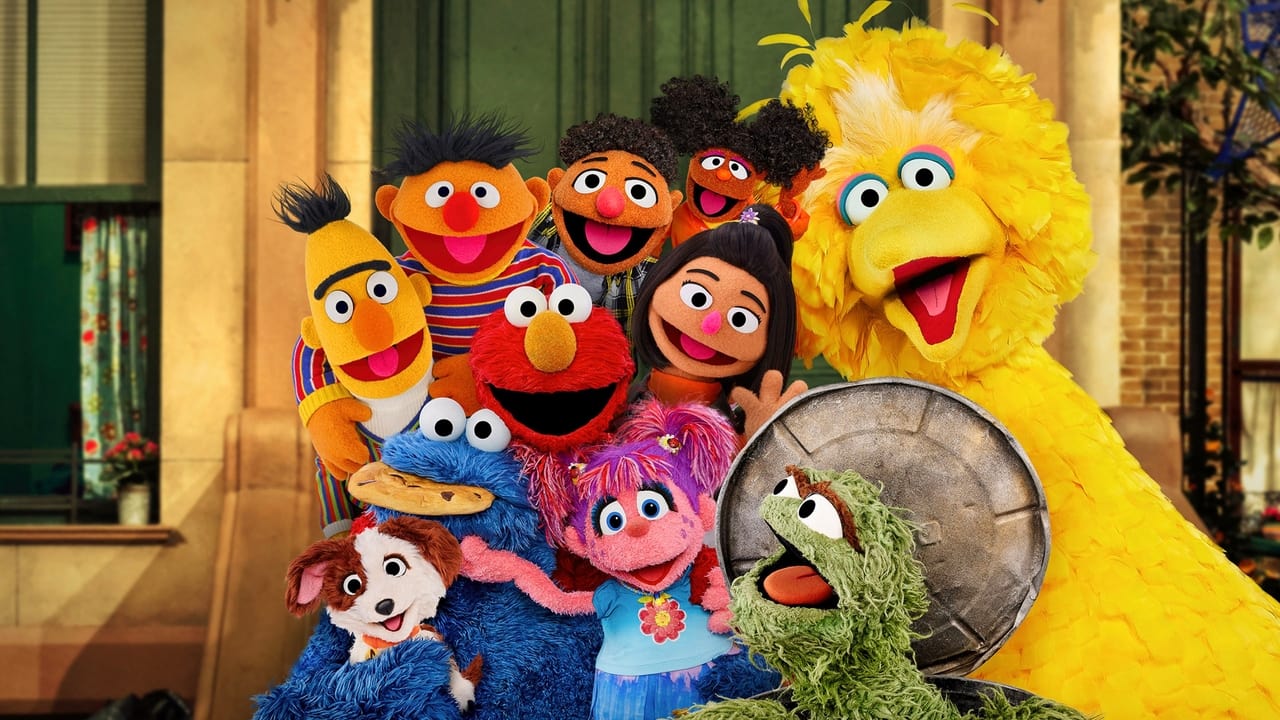
Visually, the show is a masterclass in integration—not just of races, which was revolutionary in 1969, but of ontologies. Humans and Muppets coexist without comment, a decision that does more to teach tolerance than a thousand lectures. The brilliance of Jim Henson’s creature design lies in its psychological clarity. The Muppets are not merely cute; they are avatars of the human psyche. Cookie Monster is the unchecked Id; Bert and Ernie are the eternal friction between the neurotic and the chaotic; and Big Bird is the child incarnate—confused, tall, and desperate to be understood.
The show’s refusal to condescend to its audience reached its emotional zenith in 1983, with the death of Mr. Hooper (played by the beloved Will Lee). When the actor died, the producers faced a choice: recast, lie, or tell the truth. They chose the truth. The resulting segment, where the adult cast gently explains to Big Bird that Mr. Hooper is not coming back, remains a high-water mark for television writing. There are no metaphors about "long sleeps" or "going away." When Big Bird asks why it happened, Gordon simply replies, "Just because." It is a moment of devastating, necessary honesty. The camera lingers on Big Bird’s confusion, validating the grief of the child viewer rather than rushing to resolve it.
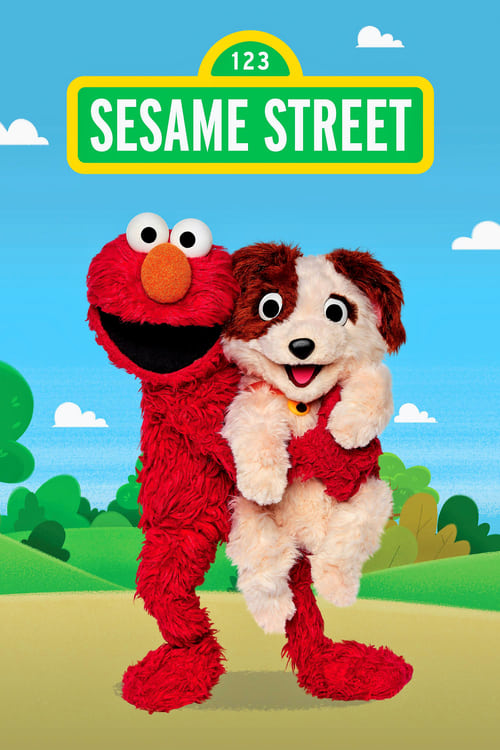
Over fifty seasons later, *Sesame Street* has evolved, smoothing out some of its rougher, urban edges for a more global, HD-ready aesthetic. Yet its core mission remains subversive. In a media landscape obsessed with "content" and "engagement," *Sesame Street* insists on something quieter and more difficult: citizenship. It teaches that the world is often confusing, that people are different, and that the only way to survive the monster in the trash can or the grouch in the barrel is to keep talking to them. It is not just a show about how to count; it is a show about how to count *everyone*.