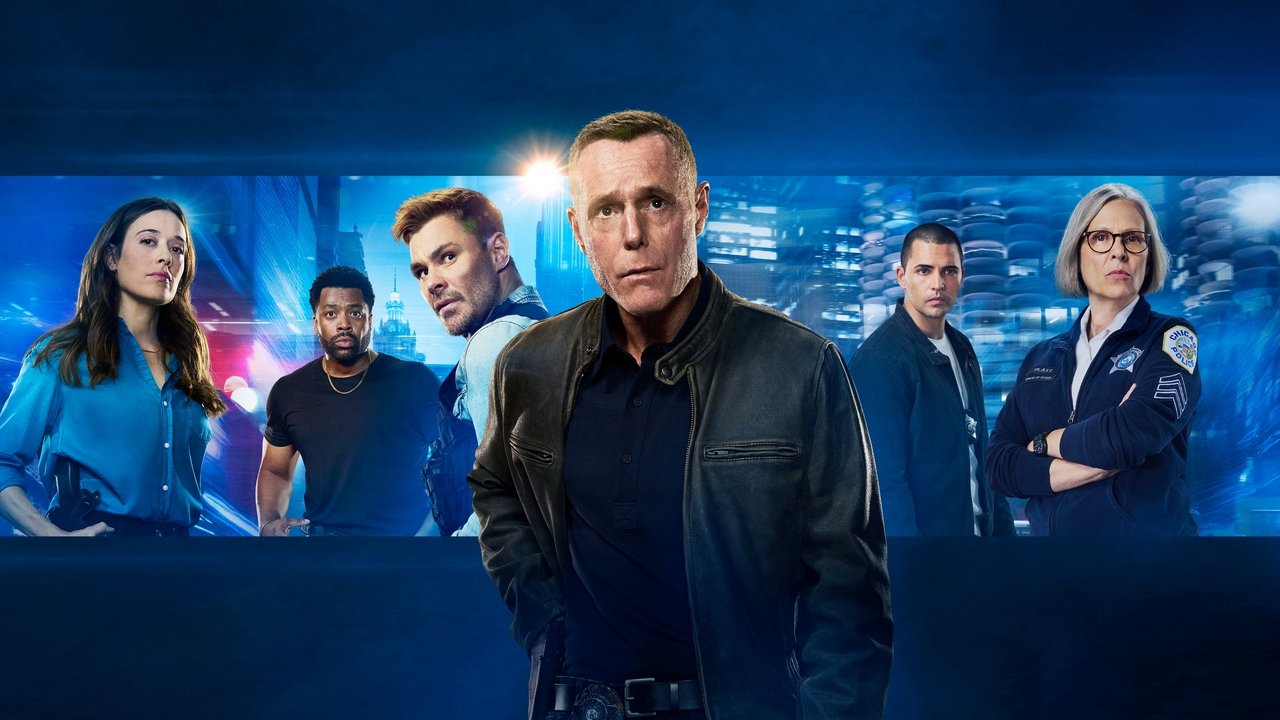
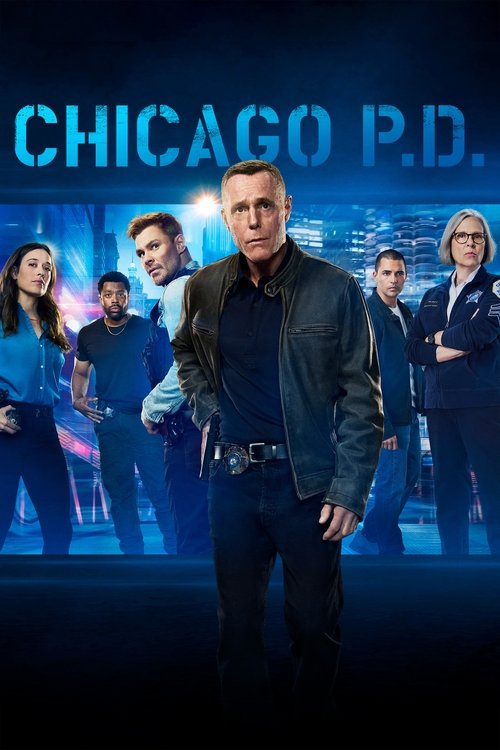
The Badge and the BruiseTo categorize *Chicago P.D.* simply as a police procedural is to ignore the Shakespearean tragedy at its center. While it shares DNA with Dick Wolf’s other behemoths—the heroic rescue fantasies of *Chicago Fire* or the urgent humanism of *Chicago Med*—this series operates in a different frequency entirely. It is not a show about law; it is a show about the cost of order. In the sprawling "One Chicago" universe, the 21st District stands as a grim purgatory where the good guys don't always win, and when they do, they usually lose a piece of their soul in the transaction.
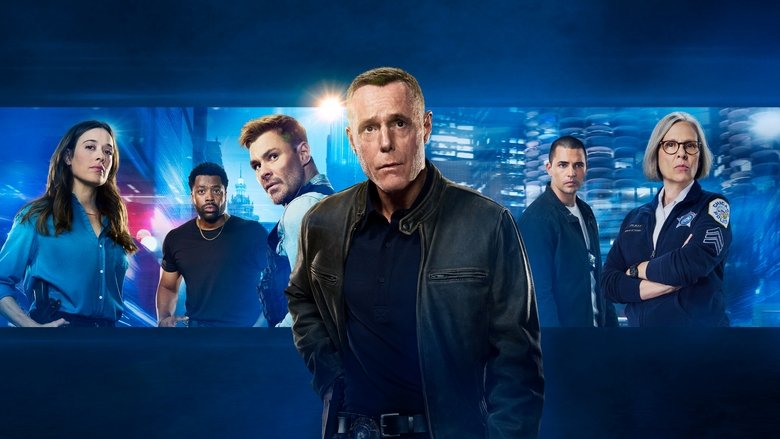
Visually, the series distinguishes itself through a suffocating atmospheric pressure. Unlike the bright, sterile courtrooms of *Law & Order*, *Chicago P.D.* lives in the bruising blues and grays of a Midwest winter. The cinematography is kinetic and often claustrophobic, utilizing handheld cameras that cling to the actors' faces, capturing every micro-expression of guilt and exhaustion. In recent seasons (particularly the shift seen in Season 12), the show has matured into an even quieter, more cinematic beast—dropping the heavy background music to let the silence of a crime scene scream. The city of Chicago is not just a backdrop; it is an antagonist, a sprawling labyrinth of steel and ice that seems to actively resist being saved.
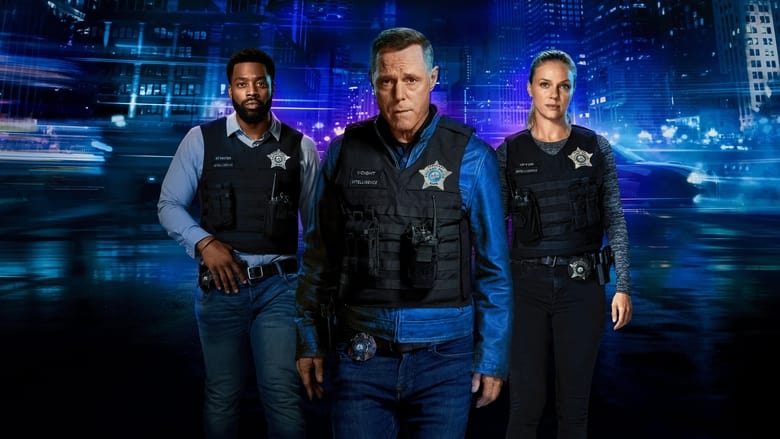
The gravitational singularity of the series is, of course, Sergeant Hank Voight (Jason Beghe). Voight is one of modern television’s most complex artifacts—a dinosaur of "old school" policing trying to survive in a transparent, digital world. With a voice like gravel crunching under tires and a moral compass that points true north only by his own definition, Beghe plays Voight not as a hero, but as a necessary monster. He is the sin eater for the city. The "cage" in the precinct basement isn't just a holding cell; it’s a confessional where the law ends and Voight’s primitive justice begins. The brilliance of the show lies in how it forces the audience to be complicit: we are repulsed by his brutality, yet relieved when he arrives to handle the nightmares that standard procedure cannot touch.
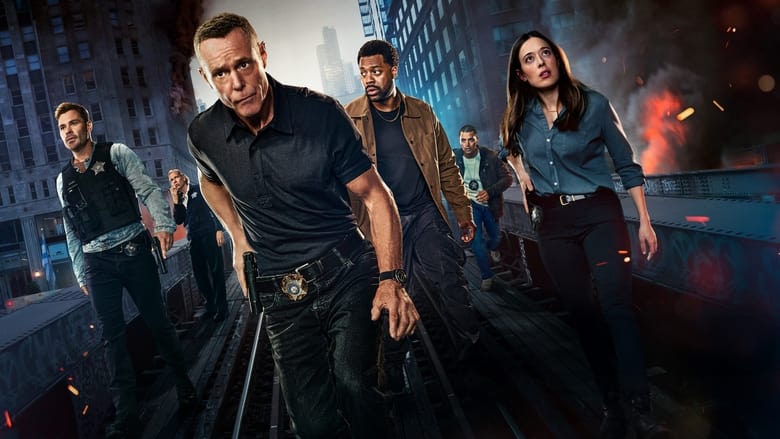
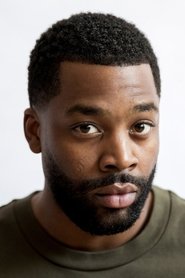
However, the show’s emotional weight falls heaviest on the Intelligence Unit surrounding Voight. Characters like Adam Ruzek (Patrick John Flueger) and Kim Burgess (Marina Squerciati) are not merely subordinates; they are the children of a broken home, constantly torn between their mentor's effectiveness and his corruption. The series excels when it focuses on this internal erosion. We watch these young officers start as idealists and slowly calcify, their ethical boundaries blurring with every "off-book" operation. The tragedy isn't that they might get shot—it's that they might become Voight.
Ultimately, *Chicago P.D.* endures because it refuses to offer easy comfort. It suggests that safety is an expensive luxury, paid for in violence and secrets. In an era where police dramas are under intense scrutiny, this series doesn't shy away from the darkness of the badge; instead, it stares directly into it, unblinking, asking us exactly how much we are willing to forgive in the name of protection.