✦ AI-generated review
The Architecture of Hope
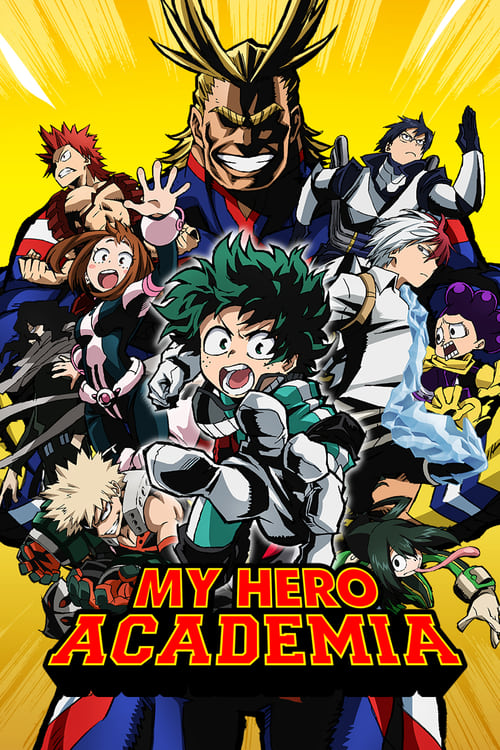
In an era where cinema is choked by the cape-and-cowl industrial complex, the superhero genre has become a language we all speak fluently—often to the point of exhaustion. We know the beats: the origin, the burden, the triumph. Yet, *My Hero Academia* (Boku no Hero Academia), adapted from Kohei Horikoshi’s manga by Studio Bones, manages to revitalize this tired lexicon not by shouting louder, but by looking inward. It posits a world where the miraculous has become mundane—a society where eighty percent of the population possesses a "Quirk"—and then asks a devastatingly simple question: When everyone is super, what does it actually mean to be a hero?
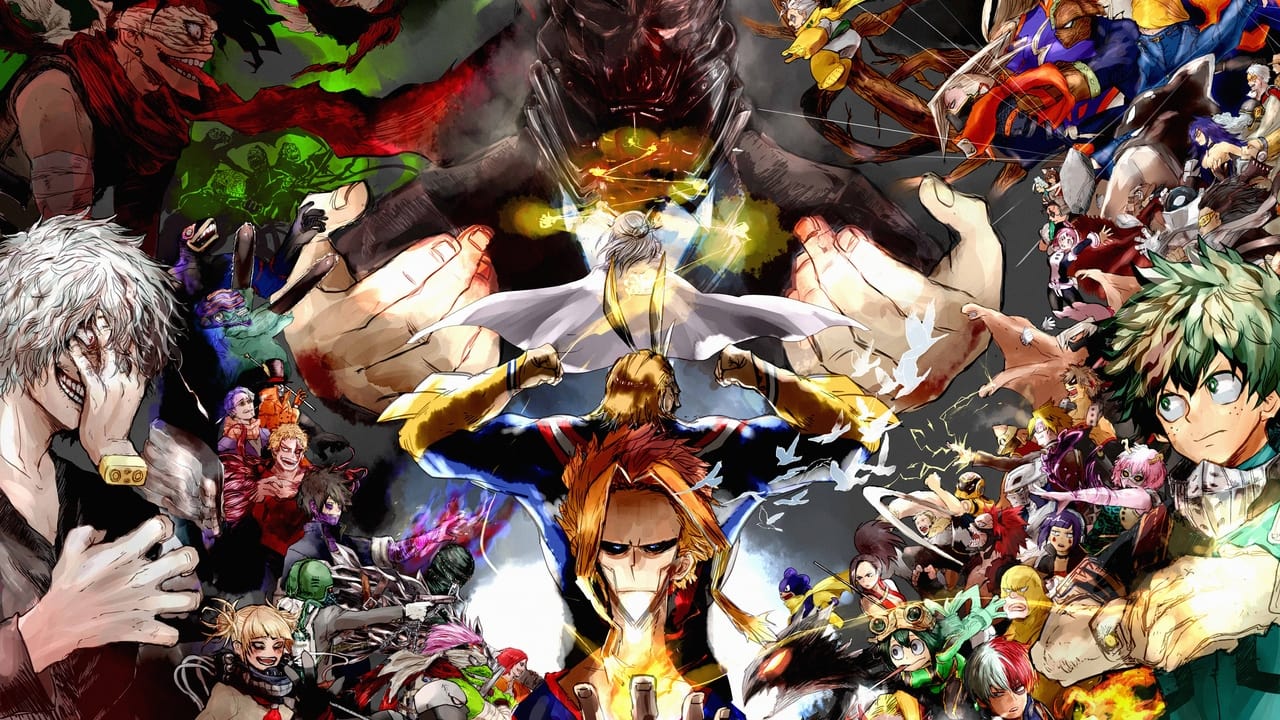
To view this series merely as a collection of kinetic battles is to miss its sociological brilliance. The director (Kenji Nagasaki for the defining early seasons) and the animators at Studio Bones treat the source material less like a comic book and more like a mythic coming-of-age saga. The visual language is undeniably pop-art—utilizing on-screen onomatopoeia and vibrant, saturated colors that mimic the four-color printing process—but the framing often isolates its characters in vast, negative spaces. This visual tension reinforces the show's central thesis: that heroism is a crushing, lonely weight.
Take, for instance, the visual depiction of All Might, the world's "Symbol of Peace." He is drawn with thick, American-comic shading that clashes with the softer, anime-styled world around him. He literally looks like he belongs to a different genre. This is not just a stylistic flourish; it is a profound narrative device. It visually separates him from the society he protects, emphasizing that the "perfect hero" is an artificial construct, a performance that must be maintained until the performer breaks.
At the heart of this narrative is Izuku Midoriya, a protagonist who begins not with power, but with a deficit. In a world of biological determinism, his initial "Quirklessness" makes him an observer—a fanboy taking notes on the sidelines of destiny. His journey involves inheriting a power that breaks his body every time he uses it. The metaphor is visceral and uncomfortably human: true altruism hurts. Unlike the invincible gods of Western canon who are bulletproof, Midoriya’s heroism is quantified in broken fingers and scarred arms. The series argues that the capacity to save others is inextricably linked to the willingness to sacrifice oneself—not in a glorious final stand, but in the painful, grinding effort of simply standing up.
The series also dares to present a rival, Katsuki Bakugo, who is not a villain but a complex antagonist born of the system’s flaws. If Midoriya represents the heart of heroism, Bakugo represents its ego—the victory-obsessed drive that society rewards. Their relationship is a friction fire that refines them both, moving from abuse to a jagged, unspoken brotherhood that feels earned rather than scripted.
*My Hero Academia* succeeds because it understands that institutions—schools, licensures, rankings—cannot manufacture spirit. It deconstructs the "superhero" from a divine calling into a civil service job, only to reconstruct it again through the eyes of children who learn that saving the world is secondary to saving a single, terrified person. It is a vibrant, kinetic, and surprisingly tender exploration of legacy, asking us not just who will save us, but who will teach us to save ourselves.