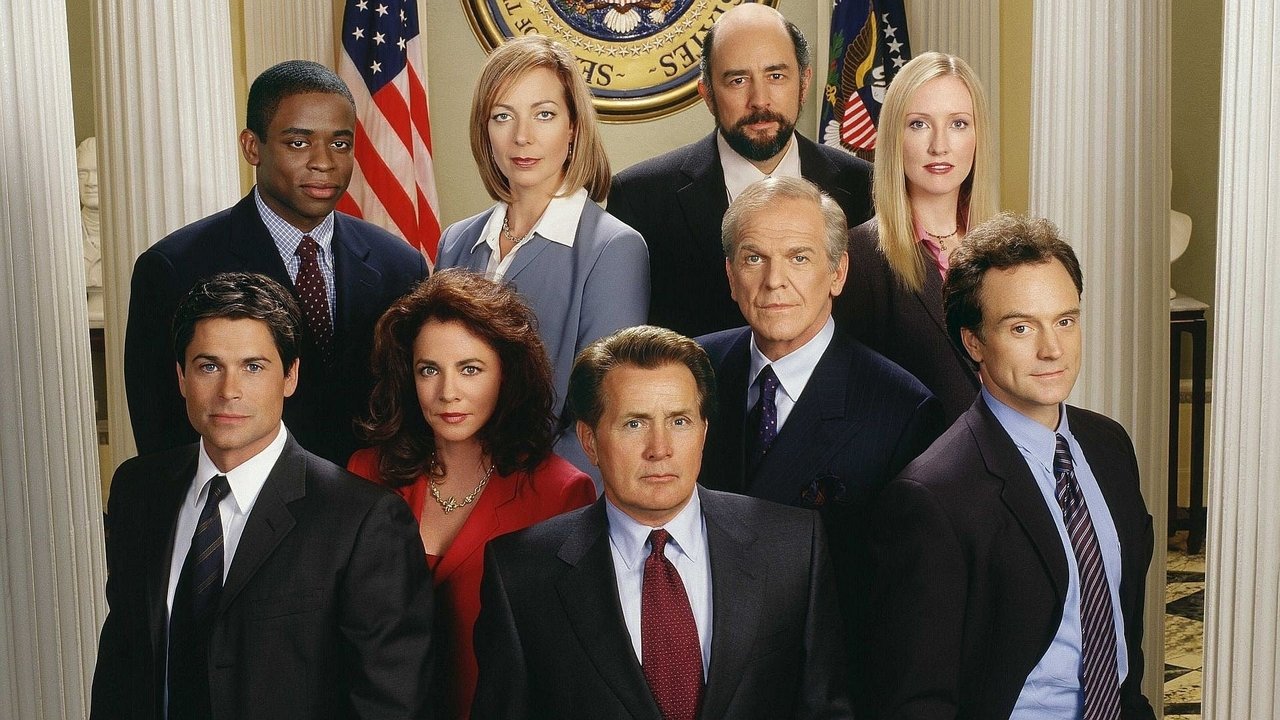
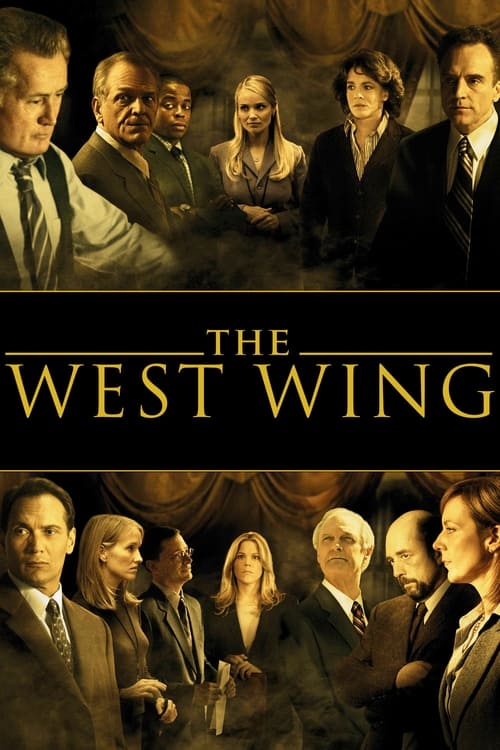
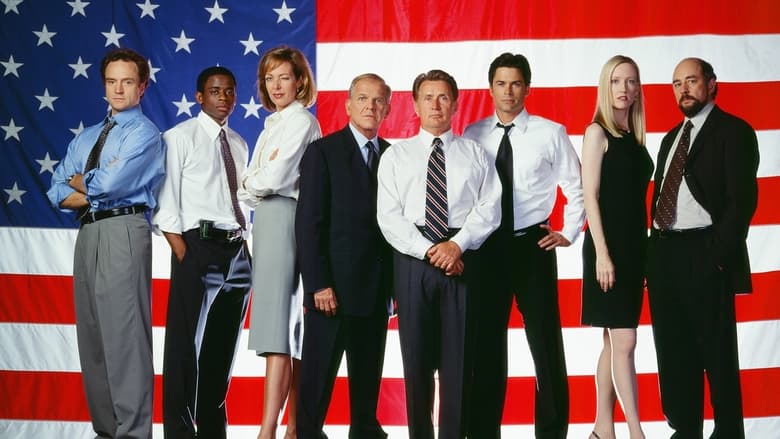
The Republic of WordsTo watch *The West Wing* today is to gaze into a snow globe containing a world that perhaps never existed, yet feels more vital than the one we currently inhabit. Premiering in 1999, Aaron Sorkin’s opus arrived at the twilight of the American century, just before the towers fell and the cynicism of the digital age fully took root. It is not merely a political procedural; it is a high-speed collision between screwball comedy and Greek tragedy, set within the claustrophobic, carpeted corridors of the most powerful building on Earth. While often dismissed by modern cynics as a liberal fantasy of competence, the series is actually something far more interesting: a study of the burden of intellect in a world that often prefers slogans.
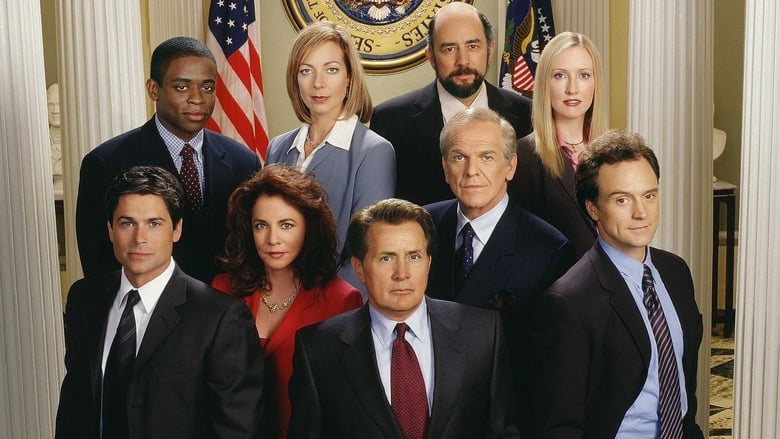
Visually, the series defined a new grammar for television drama through the lens of director Thomas Schlamme. Before *The West Wing*, political dramas were often static, trapped in boardrooms. Schlamme and Sorkin introduced the "Walk and Talk"—a kinetic, Steadicam-fueled technique that did more than just move characters from point A to point B. It turned policy debates into athletic feats. The camera glides backward through the labyrinthine hallways, forcing the viewer to keep up with the dizzying pace of the dialogue. This perpetual motion suggests that governance is not a destination, but an exhausting, unending process. The visual language creates a suffocating sense of urgency; the walls are always closing in, but the forward momentum is the only thing keeping the democracy alive.
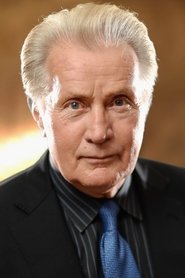
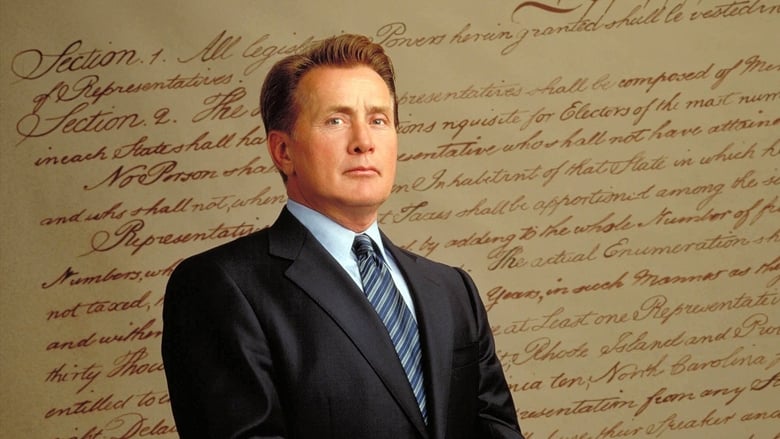
At the storm's center stands Josiah Bartlet, played by Martin Sheen with a mixture of patrician arrogance and deep, wounding humanity. Bartlet is the philosopher-king, a Nobel laureate who can quote Latin and scripture while debating the price of milk. But Sorkin’s genius lies in stripping this king of his armor. The show’s emotional zenith, the Season 2 finale "Two Cathedrals," sees Bartlet alone in the National Cathedral, railing against God in Latin after a personal tragedy. It is a moment of Shakespearean hubris that reveals the show’s true thesis: these people are not gods. They are deeply flawed intellectuals trying to impose order on a chaotic world using the only weapon they trust—language.
Ultimately, *The West Wing* is a romance, but not in the romantic comedy sense. It is a love letter to the concept of public service. In an era where "bureaucrat" is often a slur, Sorkin presents a workplace where fatigue is a badge of honor and cynicism is the only cardinal sin. The dialogue—rapid-fire, rhythmic, and dense—acts as a protective shield for characters who care too much. To view it simply as political wish-fulfillment is to miss the melancholy undercurrent; it is a show about the heartbreaking difficulty of trying to do good in a system designed for gridlock. It remains a monument to the idea that words matter, and that politics, at its best, can be a noble endeavor.