✦ AI-generated review
The Miracle of the Mundane
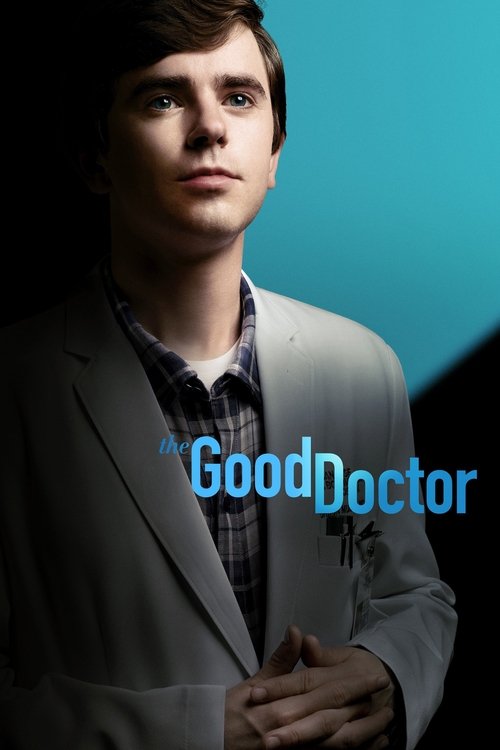
If *House M.D.* was a study in misanthropy—a detective story where the culprit was the human body and the detective despised his clients—then *The Good Doctor* is its sentimental inverse. Developed by the same architect, David Shore, this adaptation of a 2013 South Korean drama trades the cane and Vicodin for a scalpel and a plastic toy scalpel, attempting to locate the divine not in cynicism, but in radical, uncomfortable sincerity. Yet, in its quest to humanize the "other," the series often traps its protagonist in a golden cage of competence, presenting neurodivergence less as a lived experience and more as a superpower to be harvested by the medical establishment.
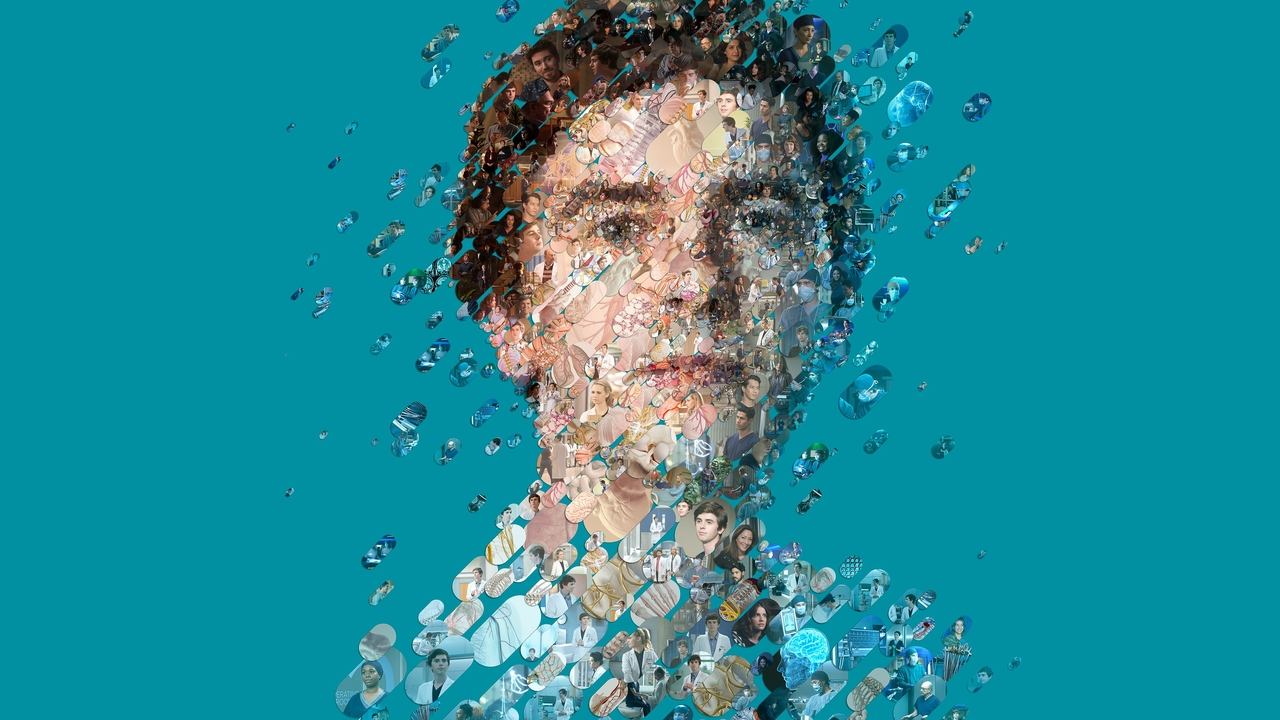
From the pilot, the visual language of the series asserts its thesis with aggressive clarity. When Dr. Shaun Murphy (Freddie Highmore) looks at a patient, the world dissolves into floating diagrams and vascular maps. It is a visual trick reminiscent of the BBC’s *Sherlock*, a way to externalize the internal architecture of the savant mind. While effective as a narrative shorthand, this aesthetic choice unintentionally reduces Shaun’s autism to a computational asset. The camera loves his "vision," treating his sensory processing not as a chaotic or overwhelming reality, but as a sleek, augmented-reality interface that solves puzzles. It is a comforting fiction for the neurotypical viewer: the assurance that difference has utility.
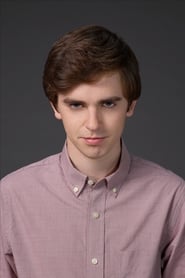
At the center of this machinery is Freddie Highmore, an actor of immense technical discipline. Highmore’s performance is a collection of carefully calibrated tics—the clasped hands, the averted gaze, the staccato delivery. It is a performance of high effort and genuine empathy, yet it cannot entirely escape the shadow of the "Rain Man" archetype. The series often demands that Shaun be an oracle first and a person second. In moments of high melodrama—such as the now-infamous confrontation where he screams, "I am a surgeon!"—the show betrays a lack of trust in its own quietude. It forces Shaun into the very emotional histrionics his character is allegedly built to deconstruct, sacrificing nuance for the sake of a viral crescendo.
However, where *The Good Doctor* finds its true resonance is not in the medical miracles, but in the bureaucratic quiet. The show is most profound when it explores the friction between Shaun’s rigid moral absolutism and the flexible, often hypocritical ethics of hospital administration. The central conflict is rarely the surgery itself, but the social politics surrounding it. In these moments, the show stops treating Shaun as a magical creature and begins treating him as a mirror, reflecting the bizarre and arbitrary social codes that "normal" people accept without question.
Ultimately, *The Good Doctor* serves as a modern fairy tale of competence. It posits a world where meritocracy is absolute, where prejudice can be dissolved simply by being undeniable at one's job. This is a soothing, if somewhat naive, fantasy. The series may not have fully revolutionized the portrayal of neurodiversity—struggling at times under the weight of "inspiration porn"—but it succeeded in making the argument that empathy is not a natural resource we are born with, but a discipline we must practice. It leaves us with a complicated legacy: a show that loved its protagonist deeply, even if it didn't always understand him.