✦ AI-generated review
The Shield and the Street
In the landscape of modern television, the "police procedural" is often a comfortable relic, a genre built on the reassuring rhythm of order restored within forty-two minutes. Yet, the 2017 iteration of *S.W.A.T.* attempts to walk a far more precarious path. Born from the DNA of a 1975 series and a 2003 blockbuster, this version, developed by Aaron Rahsaan Thomas and *The Shield* creator Shawn Ryan, is not merely an exercise in tactical nostalgia. It is an ambitious, albeit occasionally hamstrung, attempt to reconcile the mythology of the heroic super-cop with the fractured reality of post-Ferguson America.
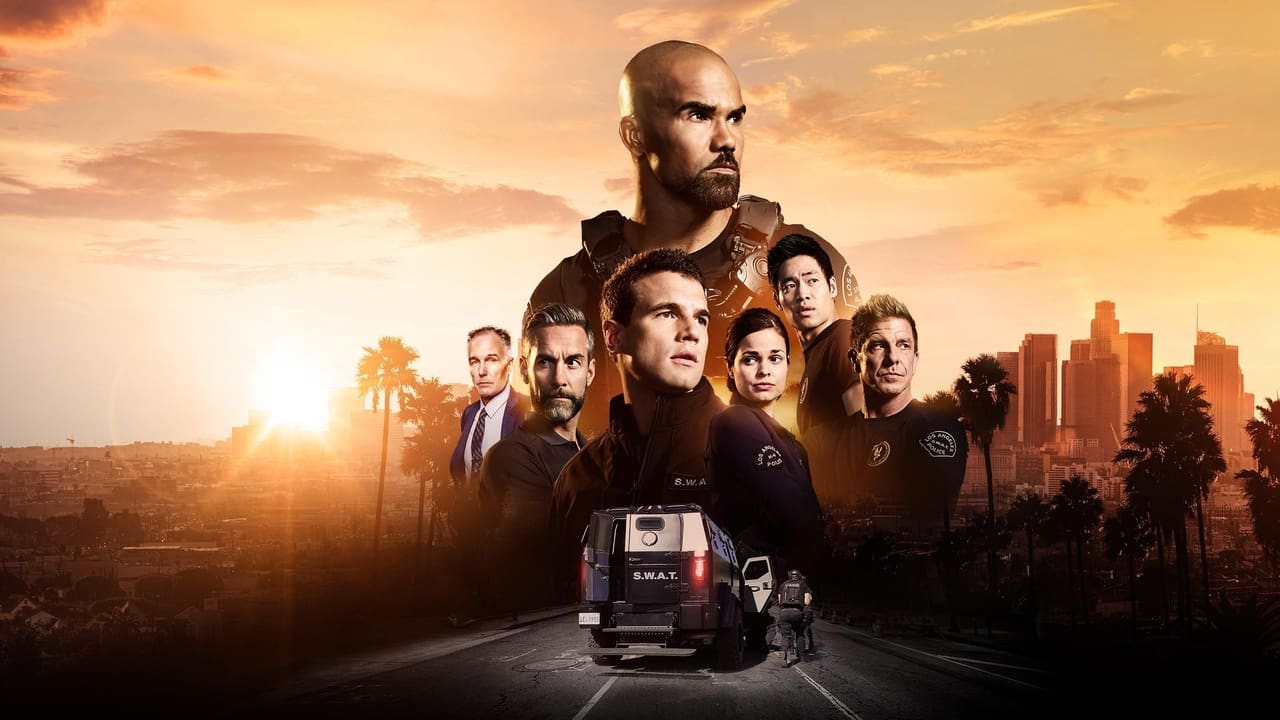
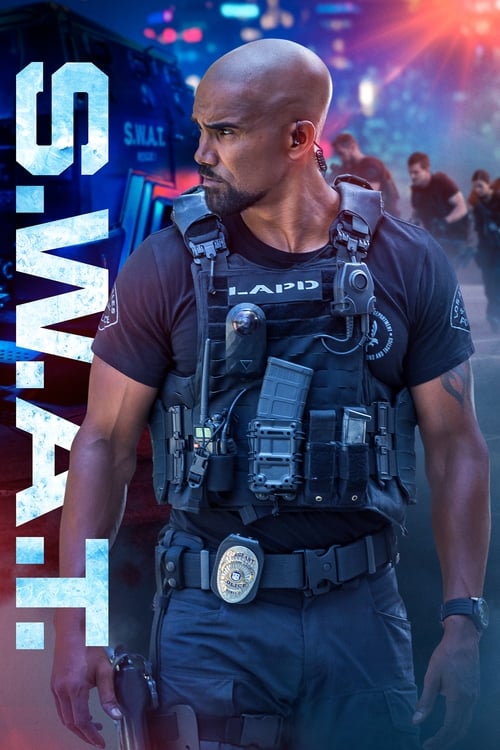
Visually, the series adheres to the glossy, high-octane vernacular of network television. The camera fetishizes the hardware—the matte-black battering rams, the heavy Kevlar, the precise choreography of a stack entry. We are treated to the sweeping drone shots of a sun-baked Los Angeles that feels vast and ungovernable. However, this aesthetic slickness often serves as a deceptive wrapper. Beneath the "tactical porn" of flashbangs and sniper scopes lies a narrative architecture straining under the weight of its own social conscience. The show demands we look at the tank-like enforcement vehicles rolling through South L.A. not just as tools of justice, but as symbols of occupation.
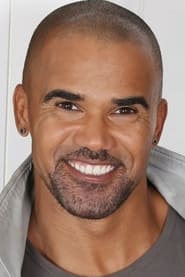
The series finds its gravitational center in Sergeant Daniel "Hondo" Harrelson, played with a muscular, weary gravity by Shemar Moore. Hondo is the show's thesis statement made flesh: a Black man raised in the community he now polices, promoted to leadership specifically to quell public outrage after a white officer shoots an unarmed Black teenager in the pilot. This inciting incident creates a permanent fissure in the character’s soul. Hondo is not simply catching bad guys; he is engaged in a constant act of code-switching, translating the police to the community and the streets to the squad room.
Moore’s performance is the anchor that prevents the show from drifting into pure propaganda. He plays Hondo not as a swaggering cowboy, but as a man bearing a heavy, almost monkish burden. In scenes like those found in the pivotal episode "3 Seventeen Year Olds," which juxtaposes the 1992 Rodney King riots with modern unrest, the show strips away the action-hero veneer to reveal the character's internal exhaustion. He is a man asked to be a bridge in a world that prefers building walls. The tragedy of Hondo is that he believes he can change the system from within, even as the procedural format forces him to uphold the status quo episode after episode.
Ultimately, *S.W.A.T.* exists in a state of fascinating contradiction. It wants to be *The Shield* in its moral complexity, but it is bound by the mandates of CBS to be a reassuring bedtime story. It posits that a "good cop" with enough empathy can solve systemic racism, a suggestion that feels increasingly naive in the current cultural climate. Yet, to dismiss it entirely is to overlook its genuine efforts. In a genre historically defined by binary morality, *S.W.A.T.* dares to suggest that the uniform does not automatically bestow virtue, and that the streets have a memory that no amount of firepower can erase. It is a show fighting a war with itself, and that internal conflict is far more compelling than any shootout it stages.