✦ AI-generated review
The Blood in the Soil
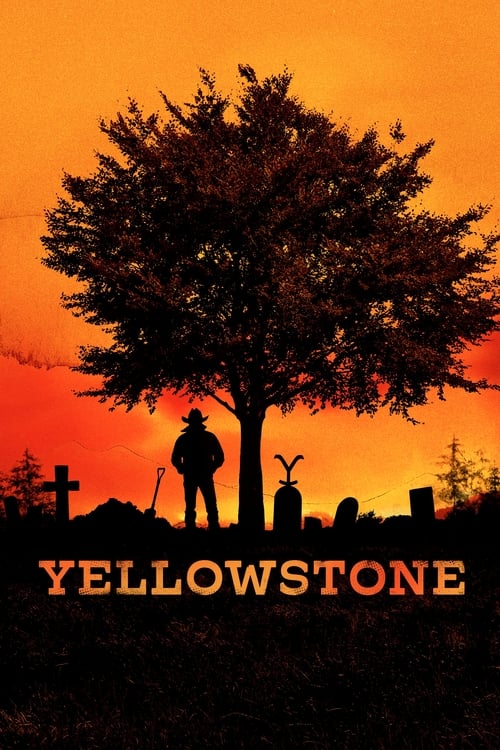
The Western has never truly died; it merely retreated from the open plains into the courtroom, the boardroom, and the psyche of modern America. Yet, in 2018, Taylor Sheridan dragged it back onto the saddle, not as a nostalgic romp, but as a eulogy for a dying kingdom. *Yellowstone* is frequently reductively labeled as "Red State" prestige television, a conservative fantasy of property rights and frontier justice. However, to view it solely through a political lens is to miss its deeper, more operatic ambition. This is not a cowboy show; it is *King Lear* in Carhartt jackets, a brutal meditation on the corrosive nature of legacy.
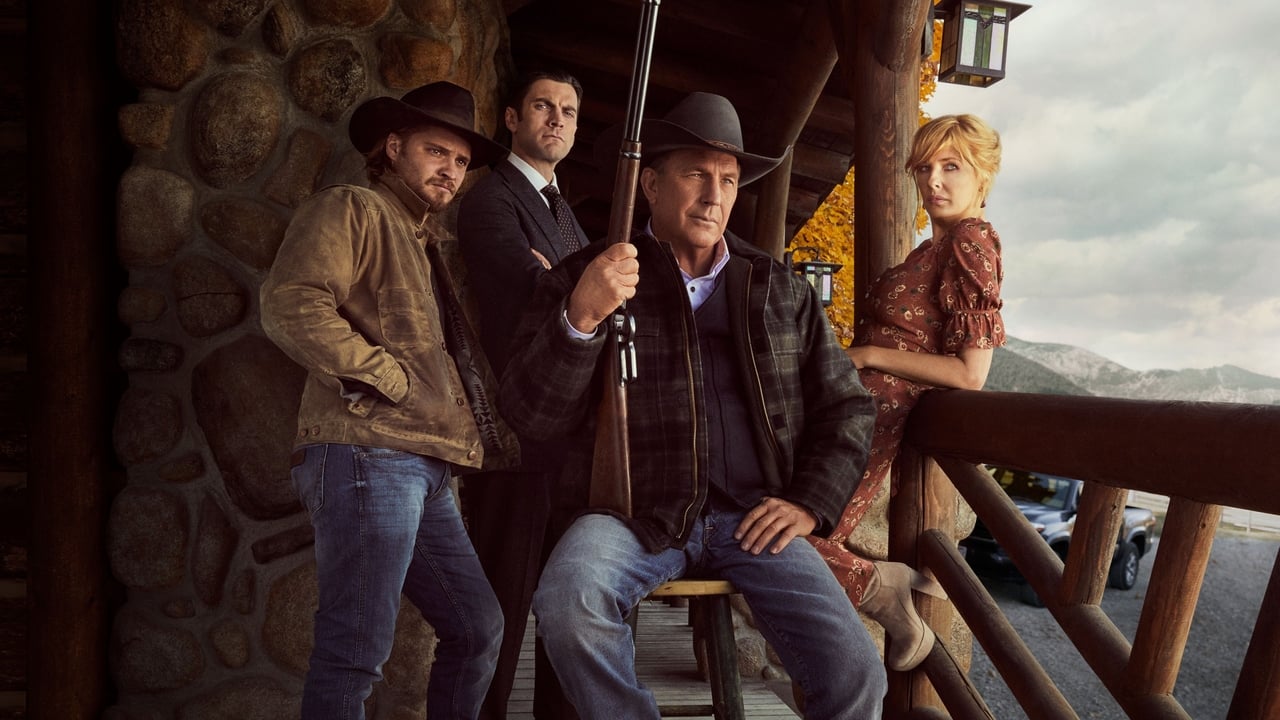
Visually, the series is a triumph of atmosphere over exposition. Cinematographers Ben Richardson and Christina Alexandra Voros utilize the vast Montana sky not just as a backdrop, but as a suffocating presence. The camera lingers on the golden hour, bathing the Dutton ranch in a light that feels simultaneously heavenly and apocalyptic. This beauty is constantly juxtaposed with the encroaching violence of modernity—slick casinos, land developers’ excavators, and the gentrifying luxury of ski resorts. Sheridan’s visual language is one of contrast: the timeless silence of the mountains versus the deafening roar of the helicopter John Dutton (Kevin Costner) uses to survey his domain. The recurring motif of the "Y" brand—seared into the chests of loyal ranch hands—transforms the romanticism of the cowboy life into something feudal, almost cultish. It suggests that on this land, you are either the lord or the serf; there is no middle class in the Dutton empire.
At the heart of this sprawling melodrama lies a single, unmovable object: John Dutton. Costner gives a performance of granite stoicism, embodying a man who realizes he is the villain of someone else’s history book but refuses to stop writing his own chapter. He is less a father than a general, and his children are his soldiers. The show’s emotional core, however, beats most violently in the relationship between his daughter Beth (Kelly Reilly) and the enforcer Rip Wheeler (Cole Hauser). Theirs is a romance forged in trauma, a Shakespearean tragedy of two broken people who find solace only in their shared capacity for destruction. Beth, in particular, is a fascinating creation—a weaponized whirlwind of alcoholism and corporate sabotage who exposes the fragility of the male egos surrounding her.
Critically, *Yellowstone* often collapses under its own narrative weight. The plotlines can veer into the absurdly pulp-inspired, with assassinations and bombings occurring with the frequency of a daily commute. Yet, this excess serves a purpose. It heightens the reality, turning the Dutton ranch into a mythical fortress under siege. The "Train Station"—a roadside cliff where the family’s enemies are executed—serves as a grim metaphor for the buried secrets required to maintain American power.
Ultimately, *Yellowstone* is a tragedy about the futility of holding on. The Duttons are fighting a war they are destined to lose, not against a specific developer or politician, but against time itself. The series posits that the American Dream of absolute ownership was always a blood-soaked illusion. In watching the Duttons defend their dirt with such savage desperation, we are not rooting for their victory, but witnessing the violent, inevitable funeral of the Old West.