✦ AI-generated review
The Monetization of the Messiah
In 2019, the cultural atmosphere was thick with the dust of crumbling cities and the triumphant horns of the Avengers. We had spent a decade looking up, training our necks to admire the moral certainty of gods who fell from the sky to save us. Then came *The Boys*, a series that didn't just ask us to look down, but forced our faces into the pavement to see the blood and broken glass left in the wake of those "heroes." It arrived not as a mere parody, but as a vicious, necessary corrective—a shattered mirror held up to our obsession with power, celebrity, and the corporate machinery that manufactures both.
To view *The Boys* simply as an "anti-superhero" story is to miss its more terrifying ambition. It is, at its heart, a tragedy about the commodification of human altruism. The series, developed by Eric Kripke from Garth Ennis and Darick Robertson’s comic, posits a world where Superman is not a refugee from Krypton, but a product line from a pharmaceutical conglomerate. Here, the "super" is stripped of the "hero," leaving behind only the raw, terrified ego of the individual.
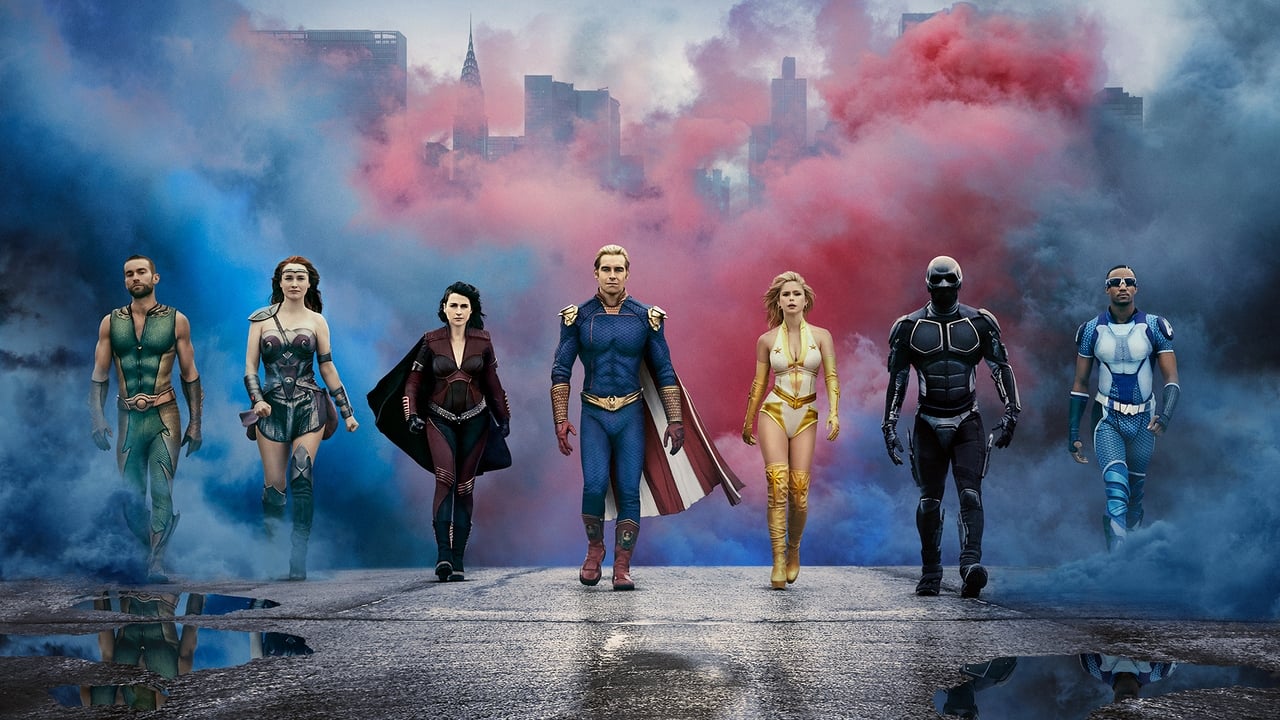
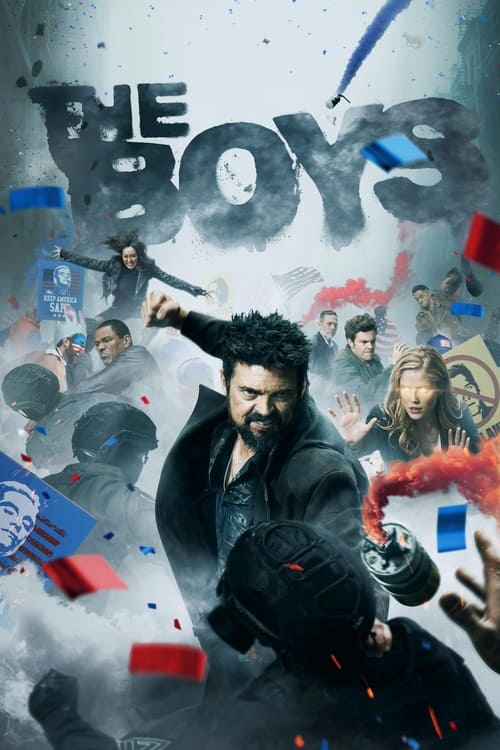
Visually, the show establishes a binary that is as jarring as it is effective. When the camera is trained on "The Seven"—the premier team of corporate crusaders—the lens is glossy, the lighting is divine, and the colors are saturated with the false optimism of a soda commercial. It mimics the visual language of the very blockbusters it critiques. But when the perspective shifts to "The Boys"—the vigilantes trying to expose the truth—the aesthetic collapses into a gritty, handheld panic. The world becomes gray, claustrophobic, and stained. This visual dissonance creates a subconscious anxiety in the viewer; we are constantly reminded that the glossy perfection of the superheroes is a lie, a filter applied over a rotting reality.
Nowhere is this rot more palpable than in the character of Homelander, played with chilling vacancy by Antony Starr. He is the show’s masterpiece of horror. In a traditional narrative, he would be the symbol of hope; here, he is a terrifying study of arrested development and god-like narcissism. The brilliance of the performance lies in the silence behind his eyes—a void where empathy should be. The pivotal sequence in the fourth episode, involving a hijacked plane, serves as the show's thesis statement. It is not the violence that disturbs, but the bureaucratic coldness of the decision-making. The abandonment of the passengers is not an act of malice, but a PR calculation. It is the banality of evil wearing a cape.
Counterbalancing this nihilism is Hughie Campbell (Jack Quaid), whose journey begins not with a call to adventure, but with a traumatic, visceral loss that literalizes the "collateral damage" of superhero battles. Hughie anchors the show’s moral chaoticism. While Billy Butcher (Karl Urban) operates on a scorched-earth policy of vengeance that threatens to make him as monstrous as his enemies, Hughie remains the trembling, moral compass, constantly asking the question the audience is thinking: *Is it possible to fight monsters without becoming one?*
*The Boys* is not easy viewing. It is often grotesque, reveling in a level of visceral shock that can feel punishing. Yet, this brutality serves a purpose. It strips away the sanitized violence of mainstream cinema, where cities fall but people rarely bleed. By showing us the grisly reality of super-powered conflict, the series effectively kills the fantasy. It suggests that if gods walked among us, we wouldn't be saved; we would be overhead costs. In an era dominated by carefully curated public personas and corporate monopolies, *The Boys* screams the quiet part out loud: the cape is just a costume, and the savior is just a brand.