The Architecture of AweIn the thirteen years since James Cameron first transported audiences to Pandora, the landscape of blockbuster cinema has shifted tectonically. We have been inundated with shared universes, serialized content, and the flattening of visual wonder into a grey sludge of digital content. In this context, *Avatar: The Way of Water* arrives not merely as a sequel, but as a rebuke to the modern assembly line. It is a reminder that cinema, at its most gargantuan, can still be an act of singular, obsessive artistry. Cameron does not simply make movies; he engineers realities, and in this return to Pandora, he asks us to stop consuming and start *witnessing*.
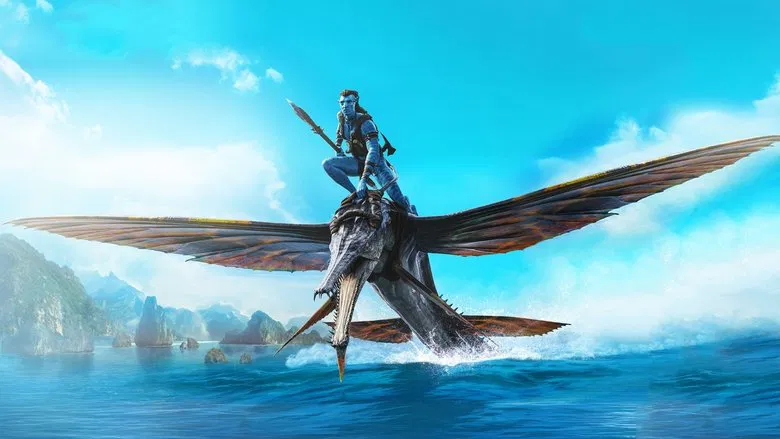
To discuss the film's visual language is to discuss the dissolution of the screen itself. The high-frame-rate 3D, often a jarring gimmick in the hands of lesser craftsmen, here serves to remove the barrier between the audience and the image. When the narrative shifts from the forests of the Omaticaya to the reefs of the Metkayina, the film undergoes a sensory metamorphosis. The bioluminescence of the deep ocean doesn't just look "realistic"—a reductive compliment—it feels vividly, alienly alive. The water is not a backdrop; it is a texture that dictates the film's pacing. The frenetic, vertical action of the first film surrenders to the horizontal, fluid grace of the ocean. Scenes of the Sully children learning to breathe and ride the *ilu* are not plot-fillers; they are meditative sequences that demand we slow down and appreciate the ecosystem Cameron has spent a decade simulating.

However, beneath the technical wizardry lies a surprisingly intimate, almost old-fashioned story about the burden of fatherhood. If the first film was a "white savior" narrative wrapped in eco-fable, *The Way of Water* complicates this by focusing on Jake Sully not as a warrior, but as a terrified refugee. The "Sully stick together" mantra, repeated with military cadence, reveals a father trying to run his family like a squad because he knows no other way to love them. The film’s emotional anchor, surprisingly, is not Jake or Neytiri, but their second son, Lo'ak, and his bond with Payakan, an outcast *tulkun* (a space whale, to put it reductively). In their silent communion, Cameron finds the film’s spiritual thesis: that intelligence and soul are not the exclusive province of the humanoid.

Critics may point to the simplicity of the dialogue or the familiarity of the "colonial vengeance" plot, and they are not entirely wrong. The script occasionally struggles to support the weight of its own world-building. Yet, to dismiss *The Way of Water* for its narrative archetypes is to miss the point of Cameron’s cinema. He operates in the realm of myth, not nuance. The climax, a thunderous, hour-long synthesis of *Titanic*’s drowning claustrophobia and *Aliens*’ militaristic tension, is a masterclass in spatial geography and emotional stakes.
Ultimately, *Avatar: The Way of Water* is a triumph of sincerity. In an era of ironic detachment and meta-commentary, Cameron offers a film that earnestly believes in the sanctity of life and the tragedy of its destruction. It is a massive, bioluminescent poem dedicated to the oceans we are currently killing on our own planet, delivered with a technical majesty that leaves the rest of Hollywood gasping for air.