✦ AI-generated review
The Tao of the Strip Mall
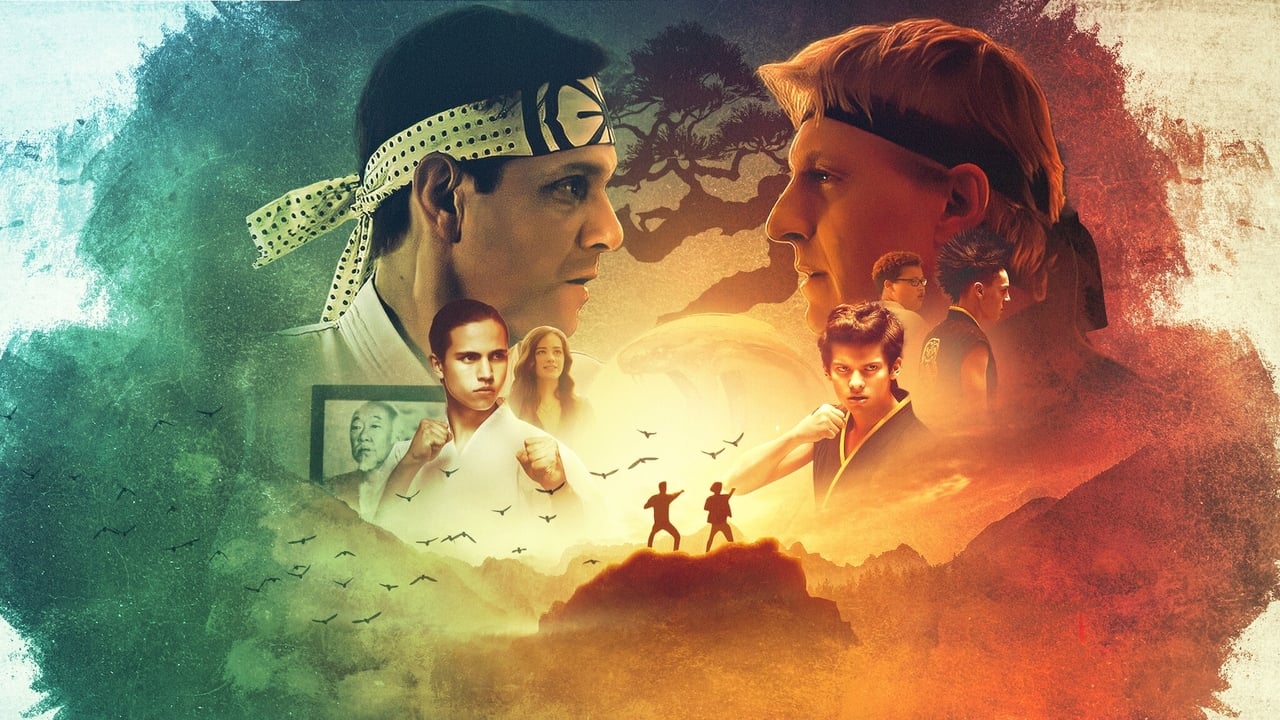
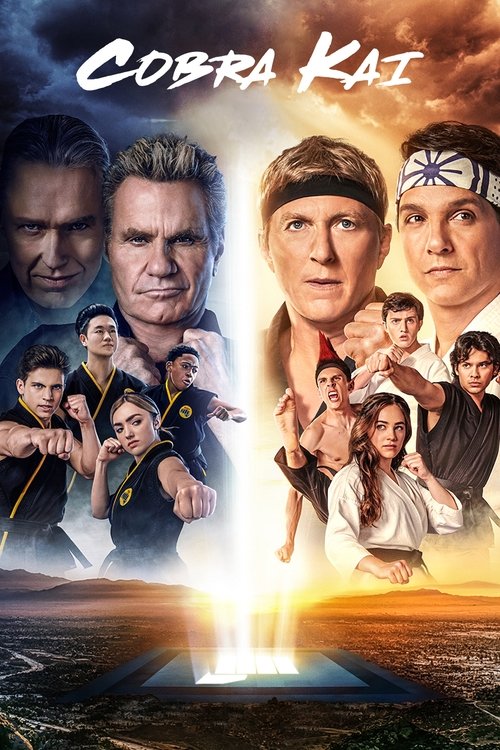
Nostalgia, in the modern cinematic landscape, is usually a narcotic—a sugary, soft-focus drip feed designed to comfort us with the lie that the past was simpler. *Cobra Kai*, a series that inexplicably blossomed from a YouTube experiment into a streaming titan, offers a different, far more potent prescription. It suggests that the past is not a sanctuary, but a trap. By revisiting the black-and-white morality of 1984’s *The Karate Kid* through a fractured, gray lens, the series creators (Josh Heald, Jon Hurwitz, and Hayden Schlossberg) have crafted a tragedy masquerading as an action-comedy, where the deepest scars aren’t the ones left by a crane kick to the face, but by the relentless passage of time.
The genius of *Cobra Kai* lies in its visual and tonal dissonance. The show operates within the sun-bleached banality of the San Fernando Valley—a landscape of car dealerships, apartment complexes, and strip malls. Directorially, the camera does not glamorize this world; it presents it with a flat, unflinching realism that clashes brilliantly with the operatic violence of the narrative. When the fight scenes erupt, they are kinetic and surprisingly brutal, grounded in a "bone-crunching" reality that the original films often skirted. The now-infamous "school brawl" sequence at the end of Season 2 stands as the series’ visual thesis statement: a chaotic, continuous shot that begins as a high-energy homage to 80s action but spirals into horrifying, life-altering tragedy. In that moment, the show brutally reminds us that life is not a tournament; there are no referees, and the floor is not padded.
At the erratic beating heart of this saga is Johnny Lawrence (William Zabka), a performance of unexpected depth and melancholy. If the original film was a hero's journey, *Cobra Kai* is a loser's lament. Zabka plays Johnny not as a villain, but as a man unstuck in time—a relic of Reagan-era machismo drowning in a world that demands emotional intelligence he does not possess. The show uses him to interrogate the very concept of "toxic masculinity." It doesn't simply condemn Johnny’s "Strike First" mentality; it examines it as a survival mechanism for the broken. The narrative friction comes from his collision with Daniel LaRusso (Ralph Macchio), who is imprisoned by his own smug success and sanctimony. The series posits that Daniel’s unexamined virtue is just as dangerous as Johnny’s aggression. They are two halves of a broken whole, circling each other in a decades-long dance of arrested development.
As the series moves through its sixth and final season, currently released in chapters, the stakes have escalated from local rivalries to global tournaments, threatening to buckle under the weight of its own mythology. Yet, the show remains anchored by its central, poignant question: Can we ever truly outgrow the people we were in high school? *Cobra Kai* argues that while we cannot change the past—the flashbacks to the original films serve as ghostly, immutable evidence—we are not condemned to repeat it. It is a rare piece of pop art that treats its aging characters with dignity, allowing them to be messy, prejudiced, and foolish, yet worthy of redemption. In the end, it is not a story about karate. It is a story about the pain of growing up, thirty years too late.