The Rhythm of VengeanceTo reduce *The Queen of Flow* (*La Reina del Flow*) to the label of "telenovela" is to misunderstand the operatic ambition at its core. While it certainly employs the genre’s familiar machinery—hidden identities, paternity secrets, and cliffhangers sharp enough to draw blood—this 2018 Colombian saga is doing something far more ancient and mythic. It is a retelling of *The Count of Monte Cristo*, transposed from 19th-century France to the neon-lit, bass-thumping streets of modern Medellín. Here, the dungeon is a prison in New York, the treasure is a notebook of stolen lyrics, and the sword is a reggaeton beat.
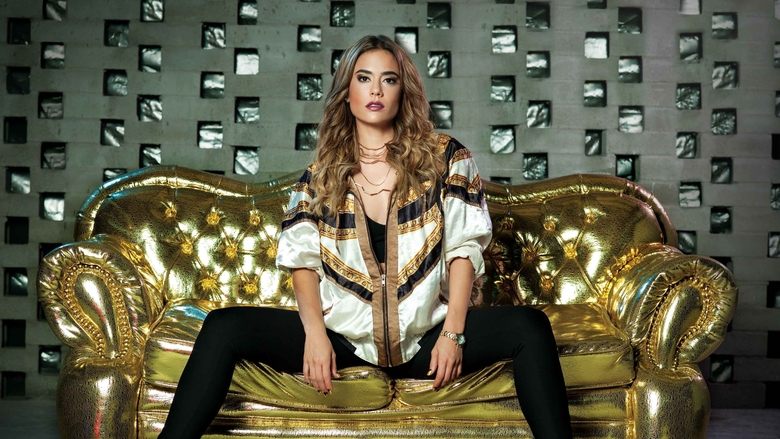
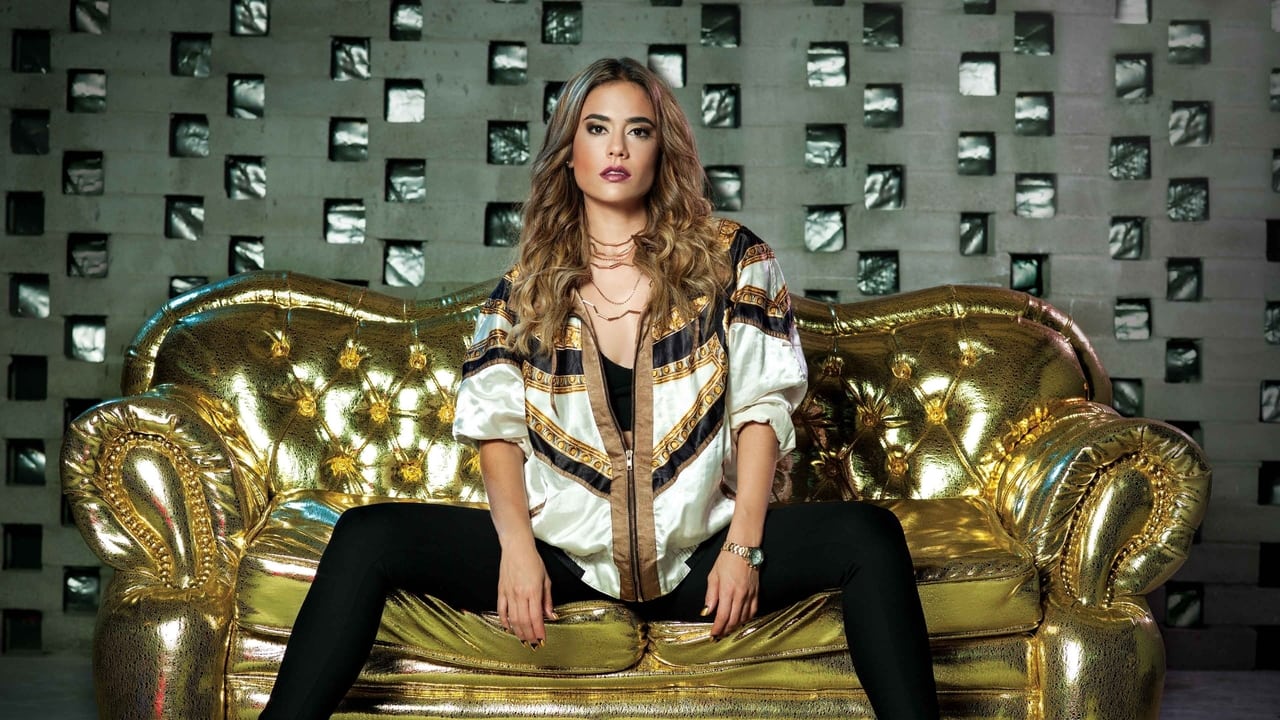
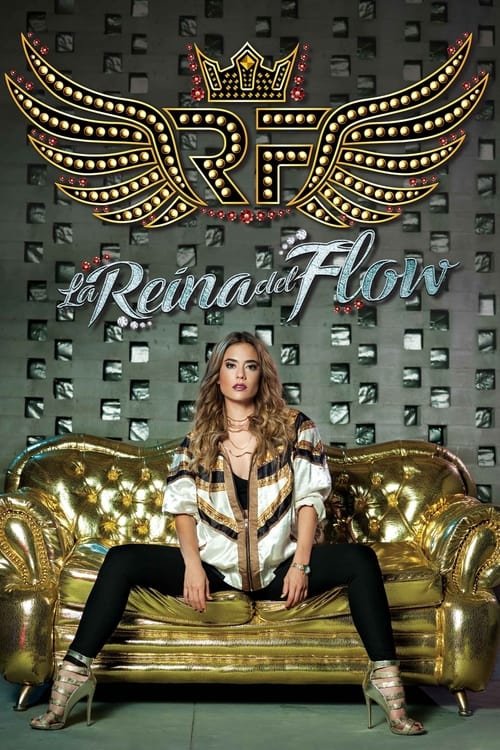
The series distinguishes itself immediately through its sensory language. Directors Rodrigo Lalinde and Liliana Bocanegra understand that in this world, music is not merely a soundtrack; it is the currency of power. The visual landscape is a study in contrasts: the suffocating greys of Yeimy Montoya’s wrongful imprisonment against the hyper-saturated, glossy excesses of Charly Flow’s stolen stardom. The camera treats the recording studio like a battlefield and the concert stage like a throne room. When the bass drops, it feels less like a party and more like a declaration of war. The series captures the specific, humid energy of the Colombian urban music scene—a world where "flow" is a tangible substance, a mix of charisma, rhythm, and street credibility that can be counterfeited but never truly faked.
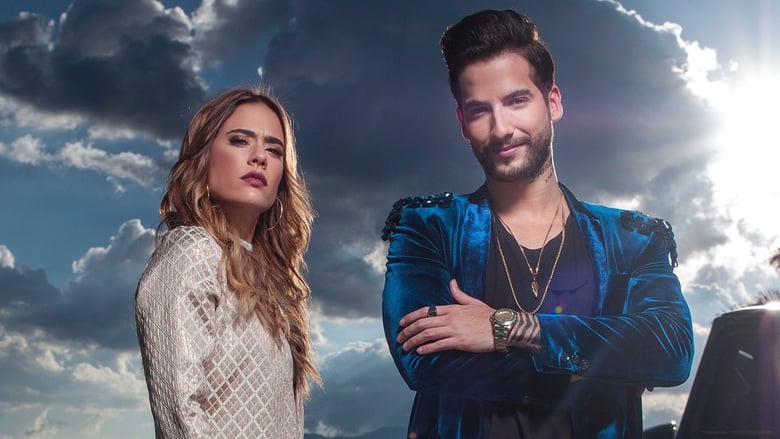
At the heart of this rhythmic revenge tragedy is the character of Yeimy Montoya (played with ferocious intensity by Carolina Ramírez). Yeimy is not a passive victim waiting to be rescued; she is a composer whose silence was weaponized against her. The show’s brilliance lies in how it intertwines artistic integrity with personal retribution. Charly Flow, the villain, is a fascinating antagonist because he represents the "industry plant"—the handsome, charismatic fraud who builds an empire on someone else’s suffering. The central conflict forces the audience to ask uncomfortable questions about the art we consume: How much of the pop culture we worship is built on the erased labor of others? The tension between Yeimy and Charly is electric not just because of their shared past, but because they are fighting for the ownership of a soul.
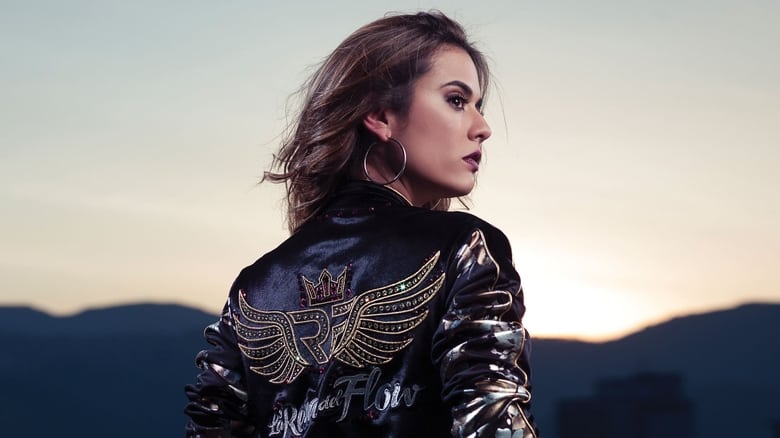
Ultimately, *The Queen of Flow* succeeds because it treats the urban music genre with the gravity usually reserved for period dramas. It validates the struggles of the street artist while critiquing the machinery of fame that exploits them. It is a story about the reclamation of voice—both literal and metaphorical. In a media landscape often cluttered with disposable distractions, this series stands as a vibrant, unapologetic testament to the idea that while you can steal a song, you cannot steal the fire required to burn the whole house down. It is a modern classic of Latin American television, pulsating with a rhythm that refuses to be ignored.