✦ AI-generated review
The Banality of Heroism
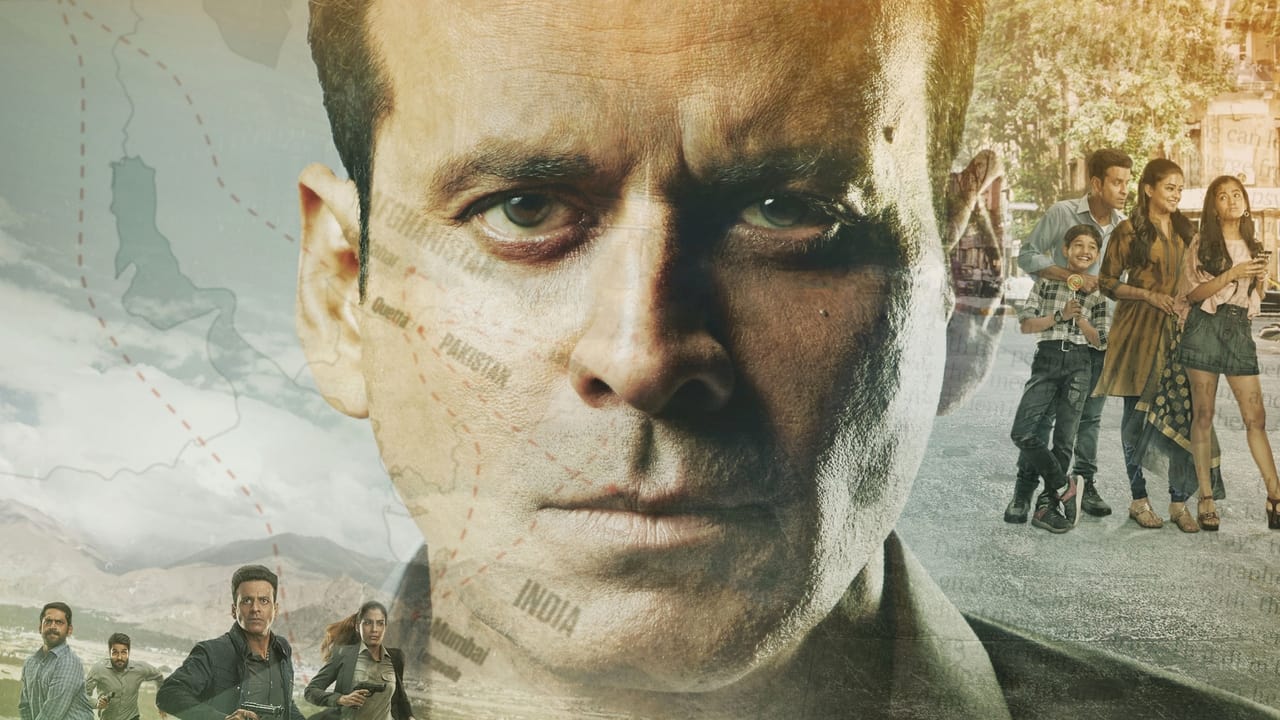
The spy genre, particularly in the West, has long been seduced by the silhouette of the tuxedo. From Bond to Hunt, espionage is framed as a ballet of glamour and gadgetry, where the operative is an island, unmoored from the mundane anchors of mortgages, PTA meetings, and traffic jams. *The Family Man*, however, opens with a radical proposition: what if the person saving the nation is the same person struggling to pay a housing loan? Emerging in 2019 from the creative minds of Raj & DK (with significant writing contributions from Suman Kumar), this series strips the spy thriller of its glossy veneer, replacing the Aston Martin with a battered sedan and the martini with a lukewarm vada pav.
At the center of this dissonance is Srikant Tiwari, played with masterful, weary restraint by Manoj Bajpayee. Srikant is an officer for the Threat Analysis and Surveillance Cell (TASC), a job that requires him to thwart terrorist plots while posing as a shuffling government file-pusher. The brilliance of the series lies not in the explosions—though there are many—but in the suffocating proximity of Srikant’s two worlds. The tension is rarely just about defusing a bomb; it is about defusing a bomb while his wife, Suchitra (Priyamani), texts him about his daughter’s suspension from school.
Visually, the series rejects the polished steel-and-glass aesthetic of modern action cinema in favor of the sweaty, chaotic texture of the Indian subcontinent. The camera works with a nervous, handheld energy, mirroring Srikant’s internal state. A standout example is the single-take hospital shootout in the first season. Rather than a choreographed dance of heroism, the camera follows the characters through corridors of confusion and panic, trapping the viewer in the fog of war. There is no triumphant score to tell us how to feel, only the dry pop of gunfire and the ragged breathing of men who are terrified of dying. This grounded visual language serves the narrative perfectly: violence here is not stylized; it is messy, loud, and inconvenient.
But the true engine of *The Family Man* is its empathetic exploration of the "middle-class hero." Bajpayee’s performance is a study in quiet desperation. He captures the specific tragedy of a man who is a titan in the shadows but a disappointment in the light of his own home. He cannot share his victories with his family, so he must swallow his traumas silently. This creates a profound emotional chasm between Srikant and Suchitra. The script treats Suchitra not merely as a nagging obstacle, but as a woman starving for connection, trapped in a marriage with a ghost. Their silent car rides are as high-stakes as the border skirmishes, filled with the heavy artillery of unsaid resentments.
Ultimately, *The Family Man* succeeds because it de-mythologizes the patriot without disrespecting him. It suggests that the cost of freedom is often paid in the currency of personal happiness. Srikant Tiwari saves the city, but he often returns to a cold dinner and a sleeping house, an anonymous guardian in a world that demands his life but refuses to know his name. In a landscape of cinema often obsessed with superpowers, this series makes a compelling case for the heroism of simply showing up, day after day, for a job that offers no glory, only the quiet burden of duty.