The Sanguine Cost of LegacyIn a pop culture landscape saturated to the point of exhaustion with capes and cowls, the superhero genre has largely bifurcated into two distinct lanes: the sanitized, corporate heroism of the MCU and the cynical, nihilistic deconstruction of *The Boys*. We are either sold a toy commercial or a lecture on how power corrupts absolutely. *Invincible*, the animated adaptation of Robert Kirkman’s sprawling comic saga, manages to carve out a third, far more precarious path. It suggests that while power creates monsters, the desire to be good is still worth the terrifying physical toll it extracts. This is not a story about saving the world; it is a tragedy about surviving your parents.
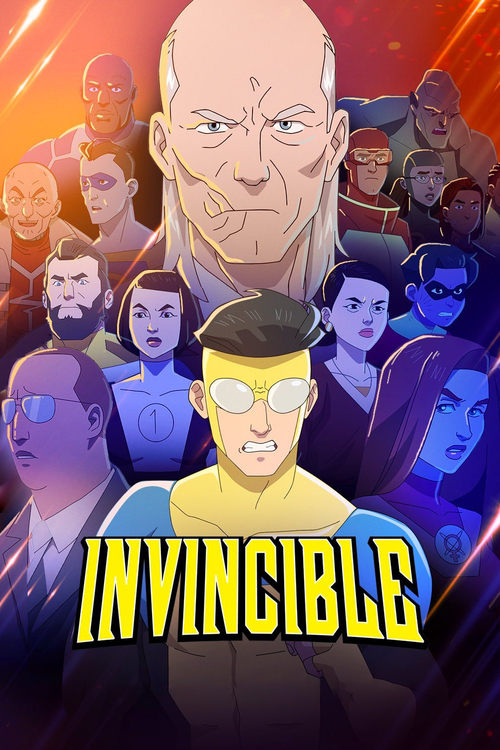
The series initially presents itself as a nostalgic homage to the Saturday morning cartoons of the early 2000s. The color palette is primary and bright; the character designs are clean, angular, and deceptively innocent. Mark Grayson (voiced with aching vulnerability by Steven Yeun) is the classic archetype: the awkward teenager struggling to emerge from the shadow of his father, Nolan Grayson, also known as Omni-Man (J.K. Simmons). The early episodes lull the viewer into a false sense of security, mimicking the rhythm of a standard "origin story" sitcom. We expect the lessons to be about responsibility and teamwork.
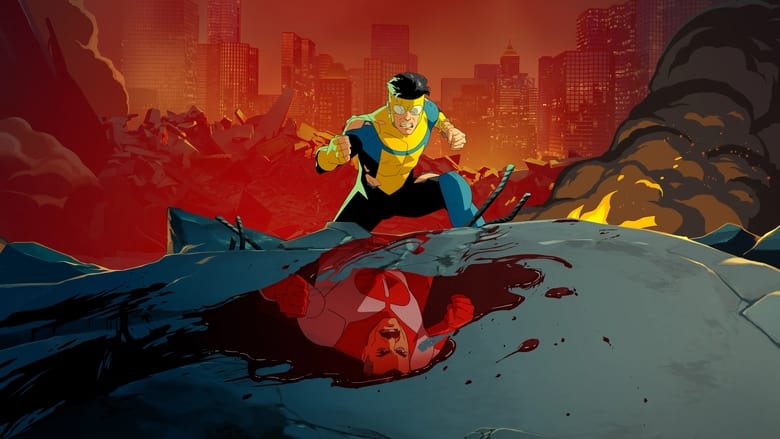
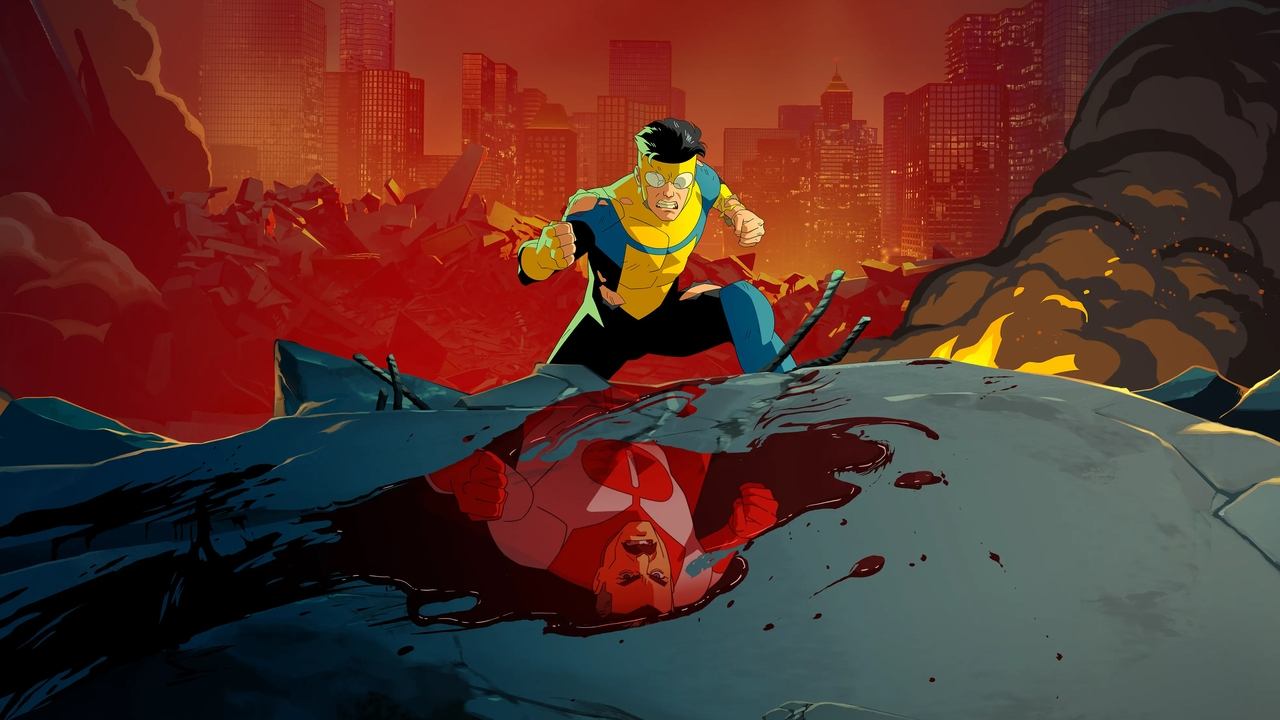
However, this visual simplicity is a trap—a deliberate aesthetic choice designed to maximize the shock of the show’s sudden, visceral violence. When the blood finally spills in *Invincible*, it does not splash harmlessly like comic book ink; it flows with sickening realism. The show’s animation shifts gears to depict the horrifying physics of super-strength meeting fragile biology.
This is best exemplified in the now-infamous subway sequence of the first season. The destruction is not collateral; it is a weapon used by a father to teach a lesson to his son. The contrast between the bright, flat animation style and the gore creates a cognitive dissonance that forces the audience to confront the actual weight of the "superhero battles" we usually consume as popcorn entertainment. The visual language screams that there are no clean fights, only survivors.
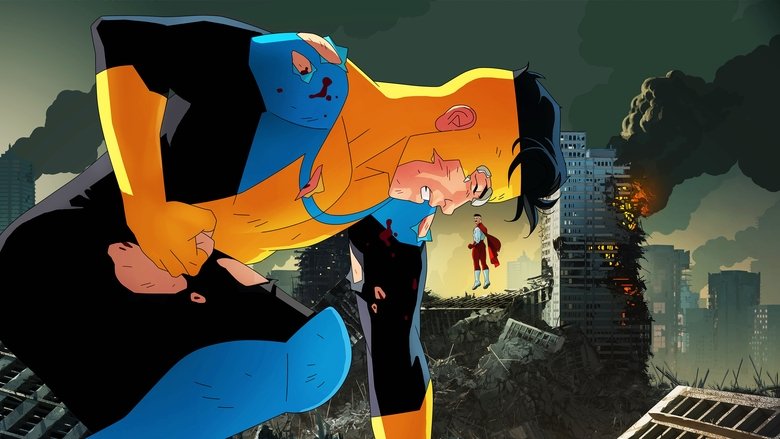
Yet, if the violence is the hook, the performances are the anchor. The show’s true brilliance lies in the domestic drama played out against a galactic backdrop. J.K. Simmons delivers a terrifyingly nuanced performance as Omni-Man, oscillating between a loving mid-western dad and a fascistic imperialist. The central conflict is a dark subversion of the immigrant narrative: what happens when a child discovers that the "old world" values his parents cling to are actually monstrous? Mark’s struggle isn't just about punching harder; it is about the emotional devastation of realizing that his hero is a lie.
The relationships in *Invincible*—particularly between Mark and his mother, Debbie (Sandra Oh)—ground the fantastical elements in a palpable, human grief. Debbie is not merely a bystander; she is the audience surrogate, slowly unraveling the gaslighting of a spouse she thought she knew. Her quiet scenes of realization carry as much weight as the planet-cracking brawls.
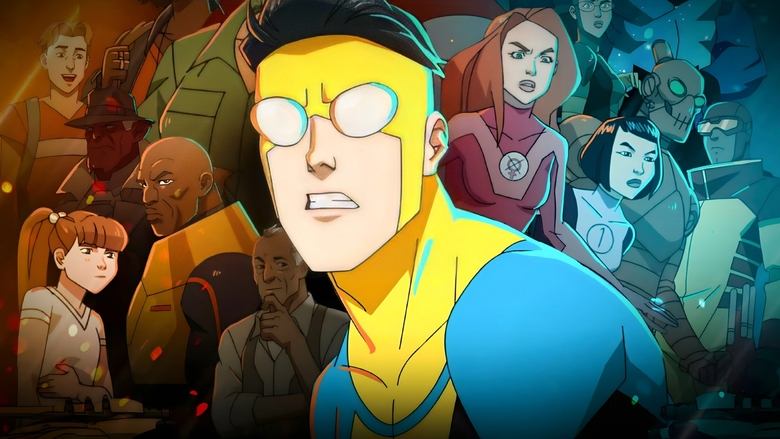
Ultimately, *Invincible* succeeds because it refuses to be cynical about heroism, even while drowning its heroes in blood. It argues that doing the right thing is excruciatingly painful, often resulting in broken bones and broken hearts, but it remains the only choice we have. It strips away the glamour of the cape to reveal the bruises underneath, offering a modern myth that feels essential, dangerous, and undeniably human.