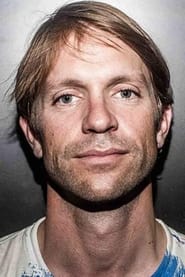
Luc Capitani
Luc Schiltz
Luc Capitani
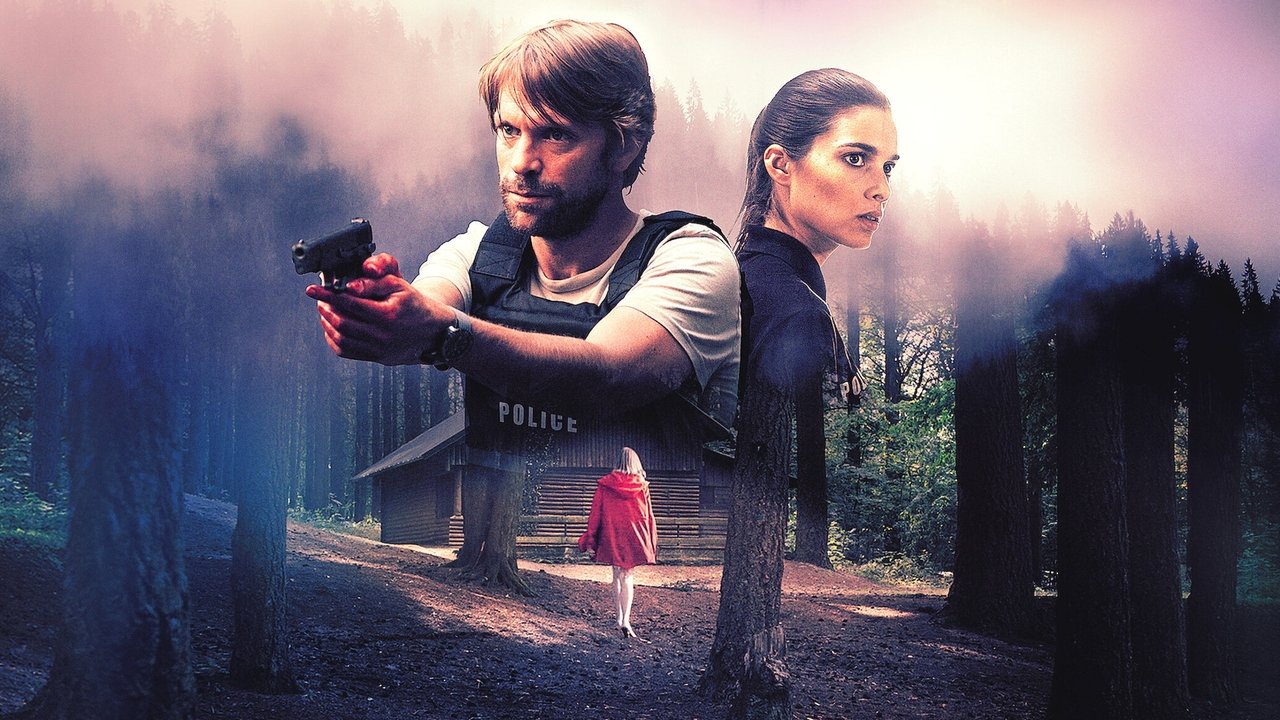
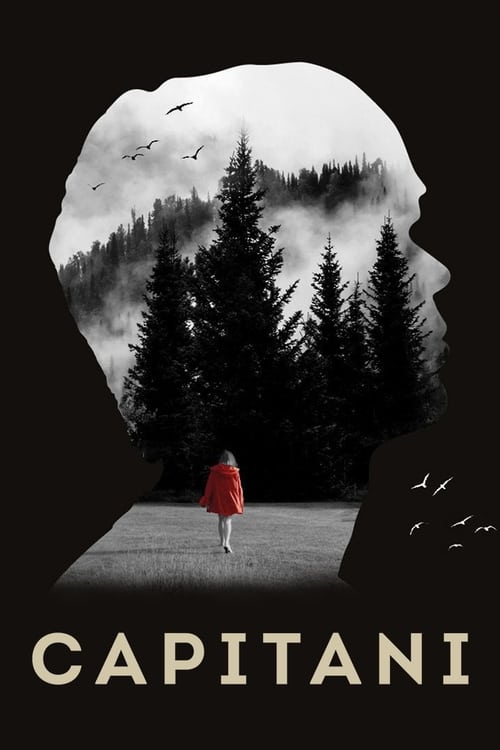
The body of a teenage girl is found in the forest near the rural village of Manscheid, deep in the North of Luxembourg. Luc Capitani, a gruff detective from the South of the country, is put in charge of the case. Having trouble navigating the closed, communal and protective mentality of the northerners, Capitani finds himself unwillingly dependent on the help of Elsa Ley, a young and intrepid local policewoman. The officers quickly find themselves entangled in a web of secrets and lies.
Luc Capitani
Luc Schiltz
Luc Capitani
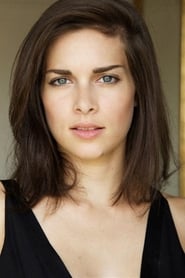
Elsa Ley
Sophie Mousel
Elsa Ley
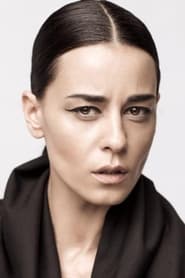
Valentina Draga
Edita Malovčić
Valentina Draga
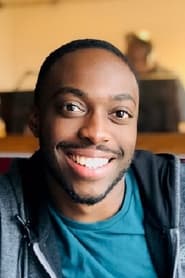
Lucky Onu
Edson Anibal
Lucky Onu
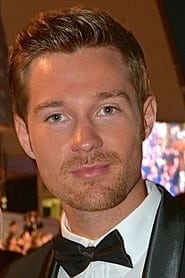
Arthur Koenig
Tommy Schlesser
Arthur Koenig
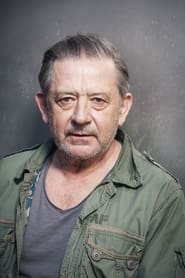
Gibbes Koenig
André Jung
Gibbes Koenig
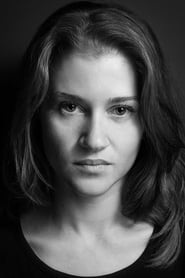
Bianca Petrova
Lydia Indjova
Bianca Petrova

Dominique Draga
Adrien Papritz
Dominique Draga

Grace Onu
Jennifer Heylen
Grace Onu
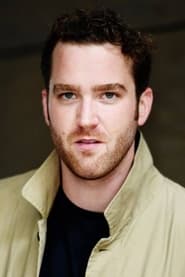
Toni Scholtes
Philippe Thelen
Toni Scholtes
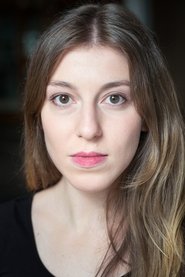
Pascale Cojocaru
Larisa Faber
Pascale Cojocaru
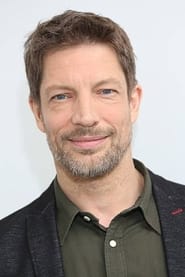
Marc Diederich
Mickey Hardt
Marc Diederich
The first season was okay. Quite special for Europe. It touched on the subjects of racism and closed communities, so common in Europe. It had a touch of a racist twist, probably to please the State Television higher ups, but that was acceptable. The second season goes on full power in the typical European setting: the Blacks, the Eastern Europeans, they are all up to rob ”us” ”true” Whites blind. Savages with their rituals, and it takes one of ”us” to save these backwards people from themselves. The first season was about a cop investigating a death. So, yea, the police was all over the place, the knights in shinny armor. And that was compensated with the bumblings of the provincial police, in their less than perfect procedure. The second season it's all about state propaganda: love the police, love Big Brother, even if the main character isn't part of the police force, more, he can't go back and get hired. And, as all propaganda, it fails on its nose once reason is engaged: all those mafia structures were in place because of the police activity, as there is no tooth fairy installing such an elaborate power structure during the night of Halloween. And the Eastern European girls are prostitutes, and drug addicts. Because the ”true” White ladies have ”real” jobs. And all the Blacks are drug dealers. And violent. You know that Black skin makes you violent and not as civilized as the White skin. Actually, Black skin is the marker in this show for drug dealer.
Read full reviewThe first season was okay. Quite special for Europe. It touched on the subjects of racism and closed communities, so common in Europe. It had a touch of a racist twist, probably to please the State Television higher ups, but that was acceptable. The second season goes on full power in the typical European setting: the Blacks, the Eastern Europeans, they are all up to rob ”us” ”true” Whites blind. Savages with their rituals, and it takes one of ”us” to save these backwards people from themselves. The first season was about a cop investigating a death. So, yea, the police was all over the place, the knights in shinny armor. And that was compensated with the bumblings of the provincial police, in their less than perfect procedure. The second season it's all about state propaganda: love the police, love Big Brother, even if the main character isn't part of the police force, more, he can't go back and get hired. And, as all propaganda, it fails on its nose once reason is engaged: all those mafia structures were in place because of the police activity, as there is no tooth fairy installing such an elaborate power structure during the night of Halloween. And the Eastern European girls are prostitutes, and drug addicts. Because the ”true” White ladies have ”real” jobs. And all the Blacks are drug dealers. And violent. You know that Black skin makes you violent and not as civilized as the White skin. Actually, Black skin is the marker in this show for drug dealer.
Read full review