The Architecture of DecayIf *Yellowstone* is a romanticized opera of American land ownership, *Mayor of Kingstown* is its ugly, industrial underbelly—a brutalist dirge sung in the key of concrete and razor wire. Co-created by Taylor Sheridan and Hugh Dillon, this series strips away the cowboy mythology to reveal a modern company town where the only "product" is human incarceration. It is a suffocating, dense, and often punishing examination of a system that has long since ceased to function, maintained only by the sheer force of corruption and necessary evil.
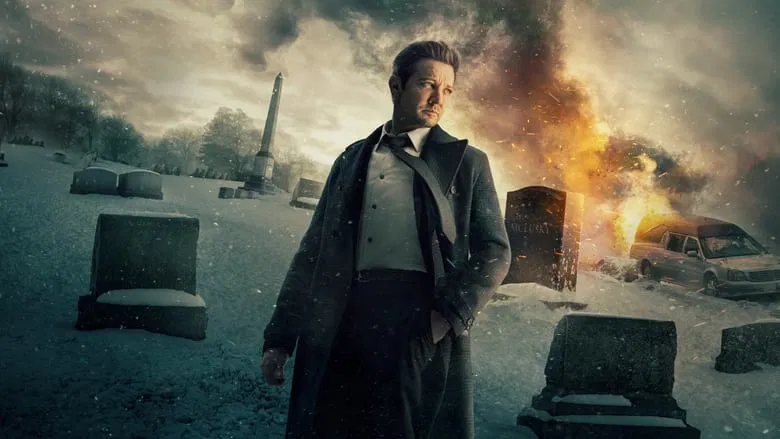
Visually, the series operates in a palette of slate greys, rusted browns, and the sterile fluorescent flicker of institutional lighting. The director and cinematographers shun the golden hour warmth typical of prestige drama, opting instead for a cold, clinical lens that emphasizes the claustrophobia of Kingstown, Michigan. The camera often traps characters in doorframes, hallways, and chain-link fences, suggesting that in this town, the guards are just as imprisoned as the inmates. The sound design complements this visual entrapment; the ambient noise is a constant, low-level hum of slamming doors, distant shouting, and the heavy thrum of surveillance, creating an atmosphere where silence is a luxury no one can afford.
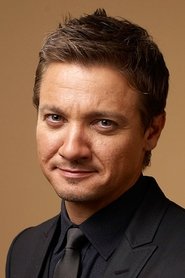
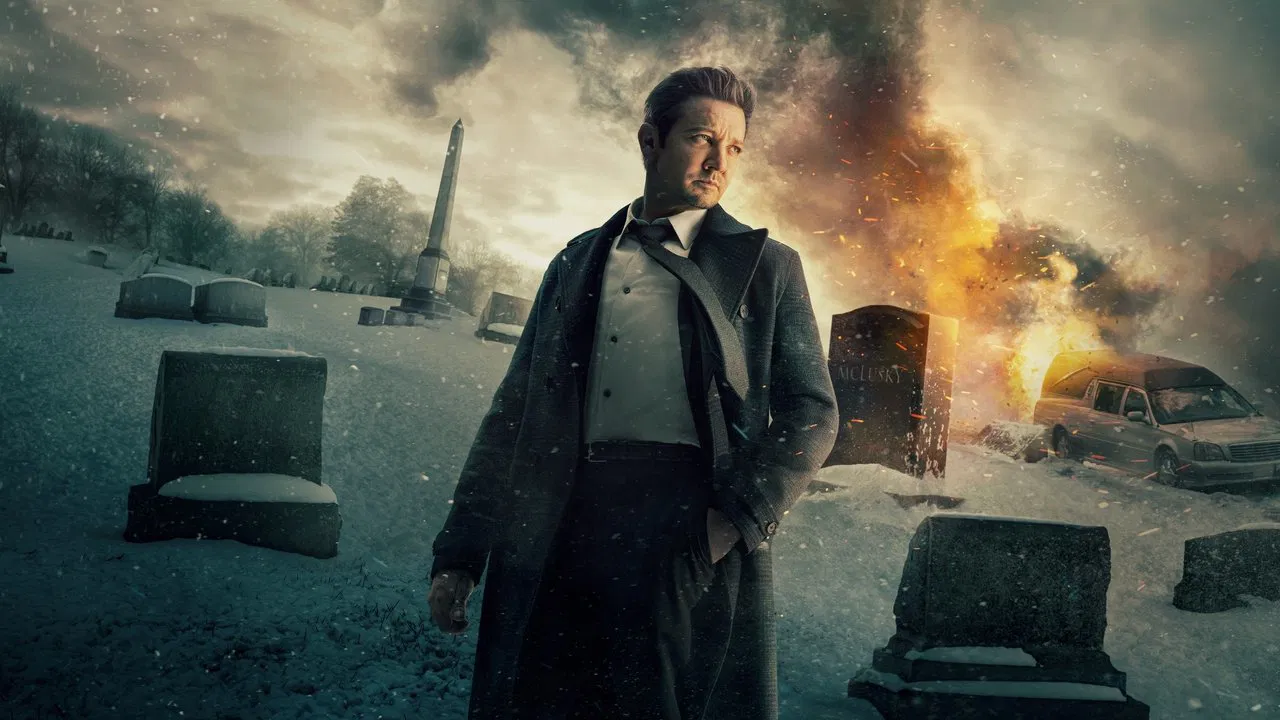
At the center of this maelstrom is Mike McLusky (Jeremy Renner), a "power broker" who operates in the grey zones between the law and the lawless. Renner delivers a performance of coiled, exhausted intensity. He is not a hero; he is a janitor for the sins of a broken city. The show’s emotional core lies in Mike’s futile attempt to impose order on chaos. He is a man constantly treading water in a sea of moral ambiguity, driven not by hope, but by a stubborn refusal to let the city drown him. His relationship with Bunny (Tobi Bamtefa), the leader of the local Crips, provides the show's most compelling dynamic—a transactional friendship built on mutual survival that somehow manages to feel like the only honest human connection in the series.

The series reaches its fever pitch in the depiction of the prison riot, a sequence that stands as one of the most visceral and harrowing portrayals of institutional collapse in modern television. It is not an action scene designed for thrills; it is a horror show of unchecked rage and systemic failure. The camera refuses to look away from the brutality, forcing the audience to witness the inevitable result of treating human beings like cattle. This is where the show’s "lens" becomes a mirror, reflecting the ugly truth that when you strip away hope and dignity, violence is the only language left.

Ultimately, *Mayor of Kingstown* is not an easy watch. It lacks the escapist allure of Sheridan’s other works, trading wide-open plains for cramped interrogation rooms. However, its value lies in its refusal to offer easy answers. It posits that in a system built on profit and punishment, there are no good guys—only survivors. With three seasons now in the books, the show remains a grim but necessary piece of pulp fiction, a heavy, grinding machine that asks how much of our humanity we are willing to sacrifice for the illusion of safety.