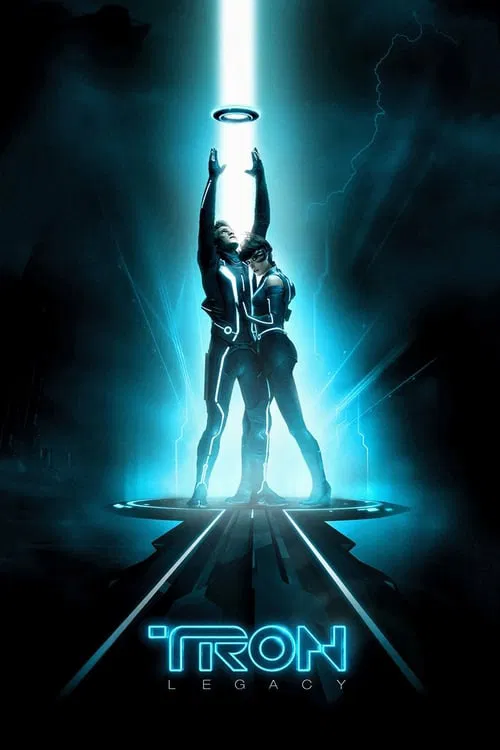
The Architecture of PerfectionIf the original *TRON* (1982) was a neon-soaked prophecy of the digital age, Joseph Kosinski’s *TRON: Legacy* (2010) is its sleek, melancholic cathedral. To view this film merely as a "sequel" or a blockbuster product is to miss its true nature: it is a grand, operatic tragedy about the emptiness of perfection. Kosinski, an architect by trade before he was a director, did not just shoot a movie; he built a world. In an era where blockbusters often feel like disposable noise, *TRON: Legacy* stands as a monolithic artifact of pure aesthetic discipline, asking us whether the digital utopias we crave are actually prisons of our own making.
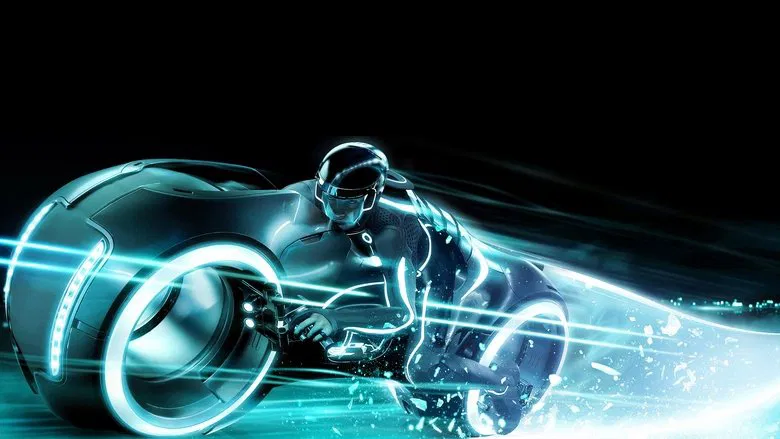
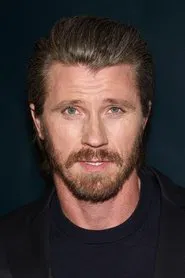
The visual language of *TRON: Legacy* is undeniably its most potent character. Kosinski strips away the cluttered, chaotic detail often found in sci-fi to favor a "digital brutalism." The Grid is not a mess of data; it is a dark, glass-smooth expanse of negative space, punctuated by bioluminescent light. The environments feel heavy, cold, and dangerously sterile. When Sam Flynn (Garrett Hedlund) first enters this realm, he isn’t just inside a computer; he is inside the mind of his father, Kevin Flynn (Jeff Bridges)—a mind obsessed with order. The synergy between this stark visuality and Daft Punk’s thundering, symphonic score creates a sensory experience that borders on the religious. It is a suffocating beauty, where the silence is as loud as the roar of a Light Cycle.

However, beneath the gloss of the Light Cycles and the pulse of the Identity Discs lies a profoundly human struggle. The narrative, often unfairly maligned as "thin," is actually a classical fable about the failure of the creator. Kevin Flynn is a god who has been overthrown by his own creation, Clu. Clu is not a villain in the traditional sense; he is a tragic mirror. Programmed to "create the perfect system," Clu does exactly what he was told, only to realize that humanity—with its chaos, spontaneity, and messiness—is the one variable that prevents perfection. The conflict is not just between good and evil, but between the cold logic of an algorithm and the unpredictable warmth of the human soul. The "villain" is essentially a child who cannot understand why his father loves the imperfections of the world more than the perfect order he built for him.

The film’s emotional resonance anchors itself in the dinner scene, where the three generations—the creator (Kevin), the son (Sam), and the creation (Clu)—collide ideologically. Kevin Flynn’s realization that "perfection is a noun, not a verb" serves as the film’s philosophical thesis. He recognizes that by trying to scrub the world of error, he destroyed the very things that made life worth living: the "biodigital jazz," the Isomorphic Algorithms, the unexpected miracles of existence. It is a sombre admission of guilt from a father who chose his work over his son, only to find himself trapped in that work for eternity.
Ultimately, *TRON: Legacy* is a triumph of atmosphere and mood, a "silent film" that speaks through its design and music. It remains a unique entry in modern cinema because it refuses to be quippy or ironic; it takes its digital melodrama with absolute sincerity. It suggests that while we can build worlds of infinite capability and sleek design, they remain hollow shells without the chaotic, unquantifiable spark of the human spirit.